American Inventions That Changed History

Few countries have shaped the modern world through invention as thoroughly as the United States has. In under two centuries, American workshops, laboratories, and government programs produced machines and systems that changed how people farmed, talked, traveled, fought wars, and recovered from disease. Some of these breakthroughs came from a single inventor's obsession, worked out over years in a shed or a patent office. Others came from institutions that mobilized thousands of engineers under wartime pressure. Each one reset what people expected technology to do next.
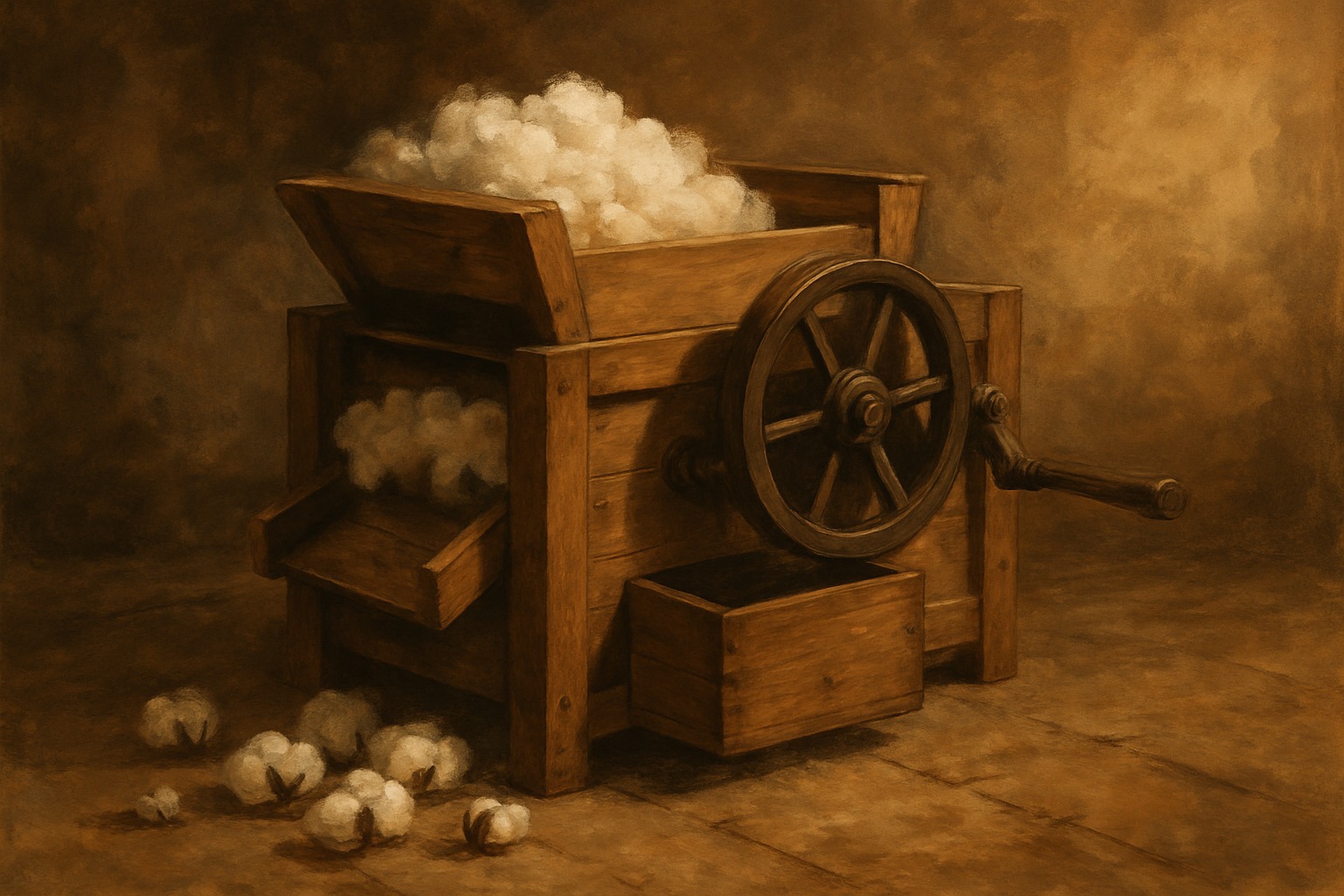
This guide traces that story from the cotton gin's grim paradox — a labor-saving machine that expanded forced labor instead of ending it — through the electrification of daily life, the mechanization of travel, and the wartime and postwar breakthroughs born of total war and a public health crisis. It ends at the computer network that, by the late 1960s, was already pointing toward a connected world no single inventor could have built alone. Read in order, the inventions below trace how the country moved from a mostly agricultural economy to a technological superpower in a little under two hundred years.
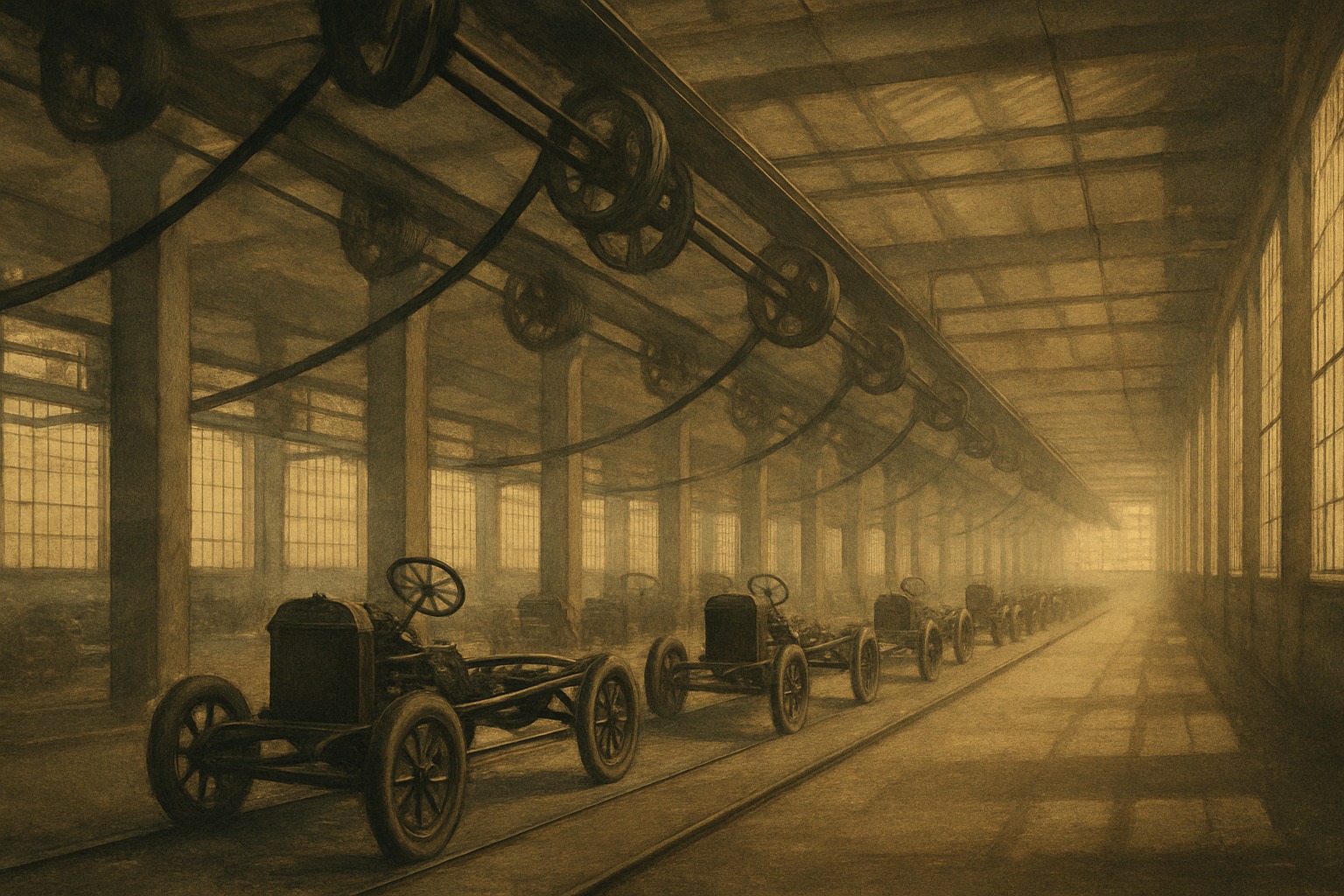

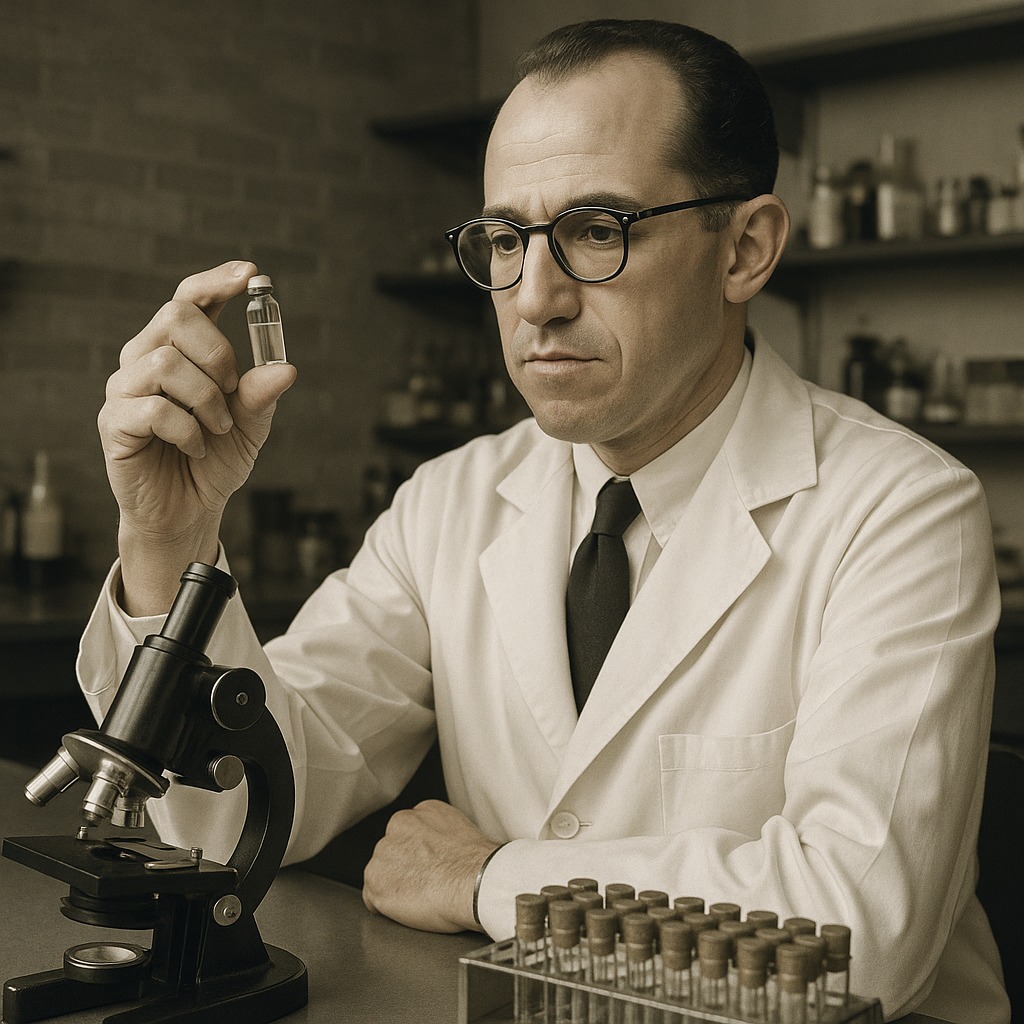
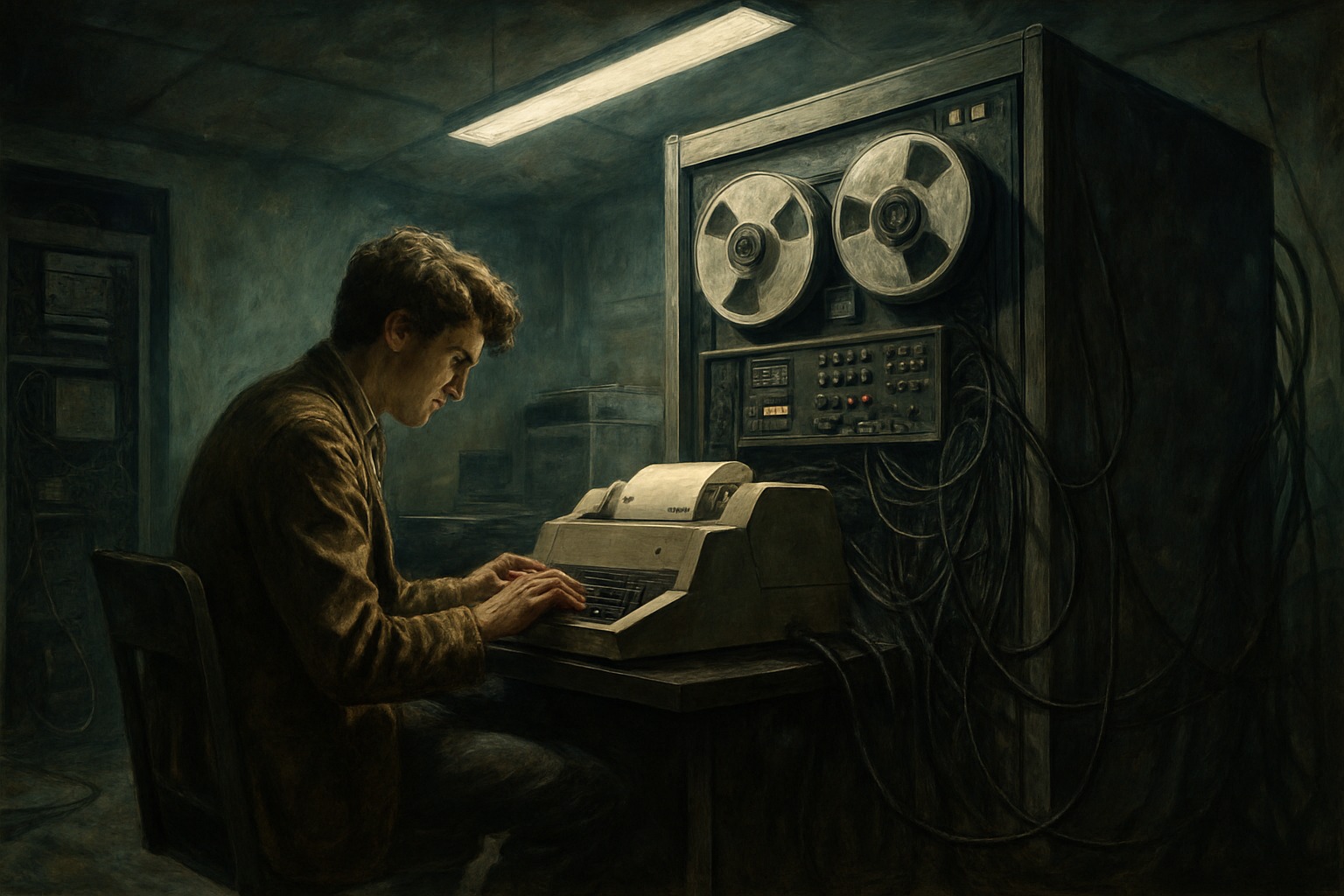


The story of American invention keeps running into the story of American industry and war. The tycoons who built the factories, railroads, and fortunes that paid for this century of invention are covered in The Robber Barons and the Industrial Age, and the program that turned physics into the atomic bomb sits inside the larger conflict covered in World War II: The American Story.