John Muir
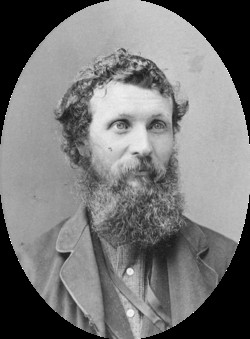
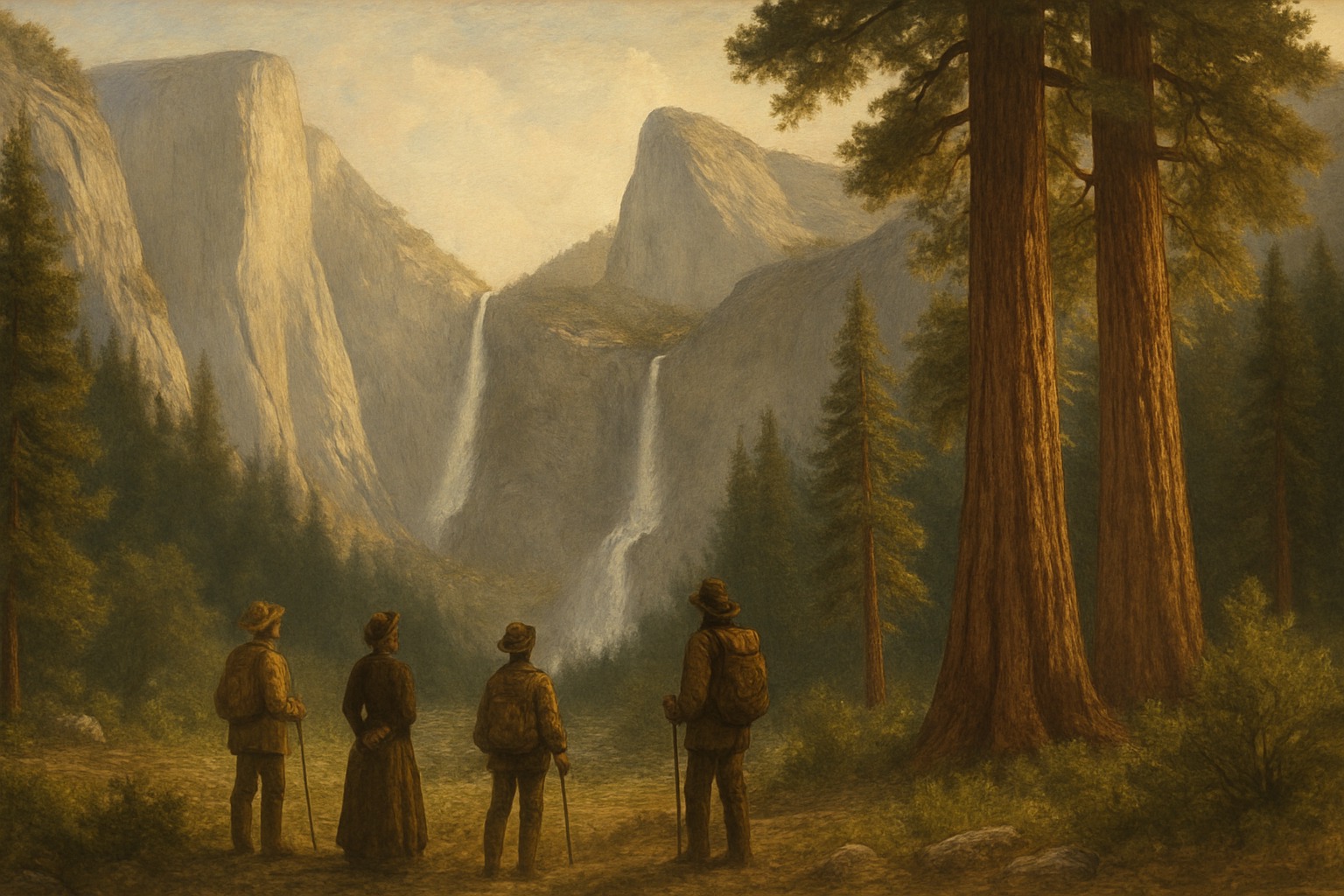
In the spring of 1868, a young Scottish-born wanderer walked from San Francisco to Yosemite Valley and, by his own account, felt he had found God. John Muir would spend the next four decades fighting to protect what he had found — lobbying presidents, writing books and magazine articles that made millions of Americans feel the Sierra Nevada as a personal possession worth defending, and co-founding the Sierra Club in 1892. Modern environmentalism as a political force traces its lineage directly to him.
Muir came to conservation after a near-blinding accident in 1867 — an awl slipped in the factory where he worked and pierced his cornea, leaving him temporarily blind in both eyes. When his vision returned, he walked from Indiana to the Gulf of Mexico, then sailed to California. His years in Yosemite — living in a rough cabin, studying glaciers, geology, and botany with self-taught rigor — produced the scientific and poetic arguments that made his case for wilderness preservation irrefutable.
His 1903 camping trip with Theodore Roosevelt in Yosemite — four nights in the wilderness, just the two of them and a few rangers — is one of the most consequential conversations in the history of American land policy. Roosevelt emerged committed to conservation as no previous president had been, going on to protect 230 million acres of public land. Muir's greatest defeat came at the end of his life: the damming of Hetch Hetchy Valley inside Yosemite National Park. He died the following year.

| Born | April 21, 1838 — Dunbar, Scotland |
| Died | December 24, 1914 — Los Angeles, California |
| Co-founded | Sierra Club, 1892 |
| Key Achievement | Lobbied for Yosemite and Sequoia national parks; shaped Roosevelt conservation policy |
| Notable Works | "The Mountains of California" (1894), "My First Summer in the Sierra" (1911) |
| Known As | Father of the National Parks |
| Date | April 21, 1838 – December 24, 1914 |
| Location | Yosemite Valley, California |