Loving v. Virginia
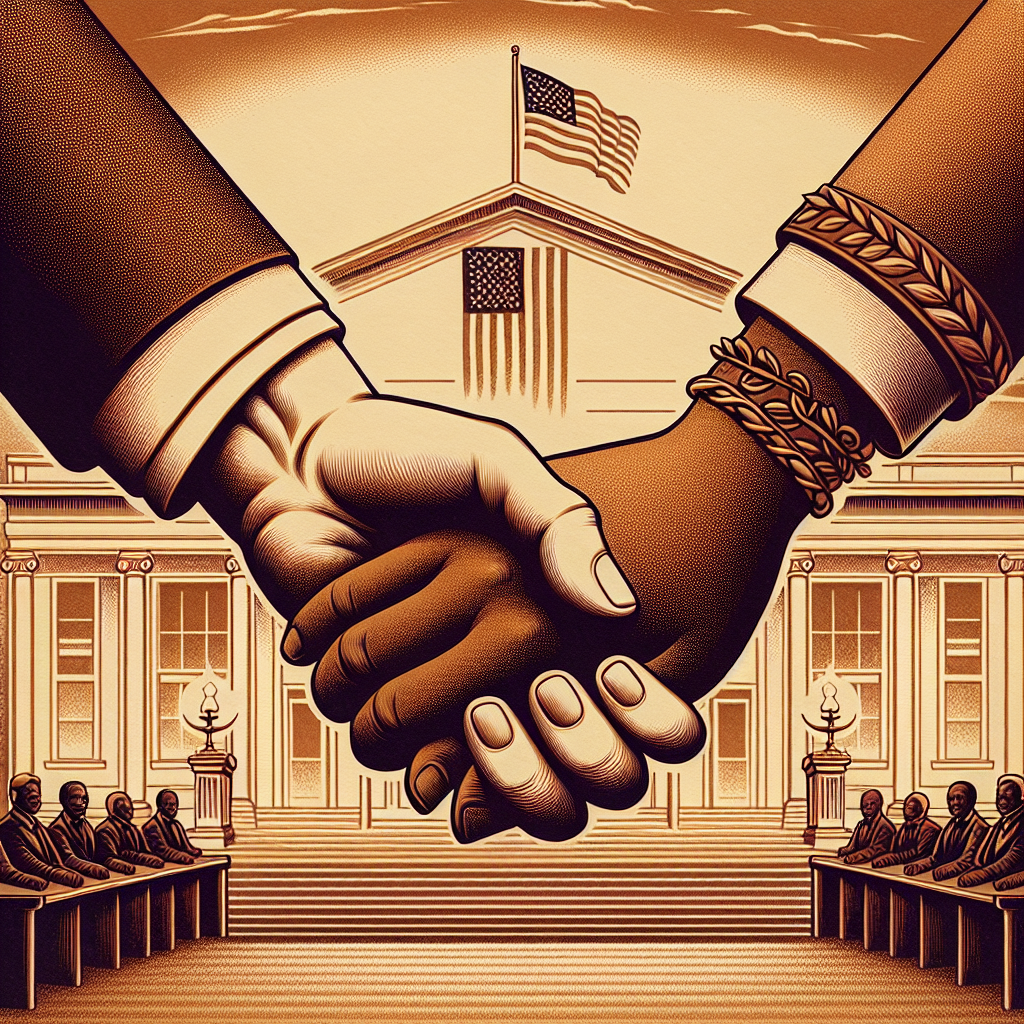
Richard Loving was white. Mildred Jeter was Black and Native American. In June 1958, they drove from Caroline County, Virginia, to Washington, D.C., to marry — because Virginia's Racial Integrity Act of 1924 made their union a criminal offense. They returned home. Five weeks later, sheriff's deputies entered their bedroom before dawn and arrested them both. A Virginia judge gave them a choice: prison or exile from the state for 25 years. They left. Nine years later, the Supreme Court unanimously disagreed with Virginia.
Chief Justice Earl Warren, writing for a unanimous court, was characteristically direct. Virginia argued that its law treated both races equally — whites and Blacks were each prohibited from marrying the other. Warren called this reasoning circular. The law's sole purpose was racial hierarchy, and racial classifications in criminal law required "the most rigid scrutiny." More than that, the Court located marriage itself in the Constitution — the freedom to marry was "one of the vital personal rights essential to the orderly pursuit of happiness." Anti-miscegenation laws in 16 states fell simultaneously.
The Lovings never sought to make history. Mildred wrote a letter to Attorney General Robert Kennedy; Kennedy referred her to the ACLU, which took the case. Richard Loving died in a car accident in 1975. Mildred lived until 2008, long enough to see the ruling's logic extended in directions the Court couldn't have imagined in 1967. In 2007, she endorsed it explicitly for same-sex couples: "I believe all Americans, no matter their race, no matter their sex, no matter their sexual orientation, should have that same freedom to marry."


| Decided | June 12, 1967 |
| Court | Warren Court |
| Vote | 9–0 (unanimous) |
| Written by | Chief Justice Earl Warren |
| Petitioners | Richard and Mildred Loving |
| Respondent | Commonwealth of Virginia |
| Impact | Struck down anti-miscegenation laws in 16 states |
| Date | June 12, 1967 |
| Location | Washington, D.C. |