The We Shall Overcome Speech
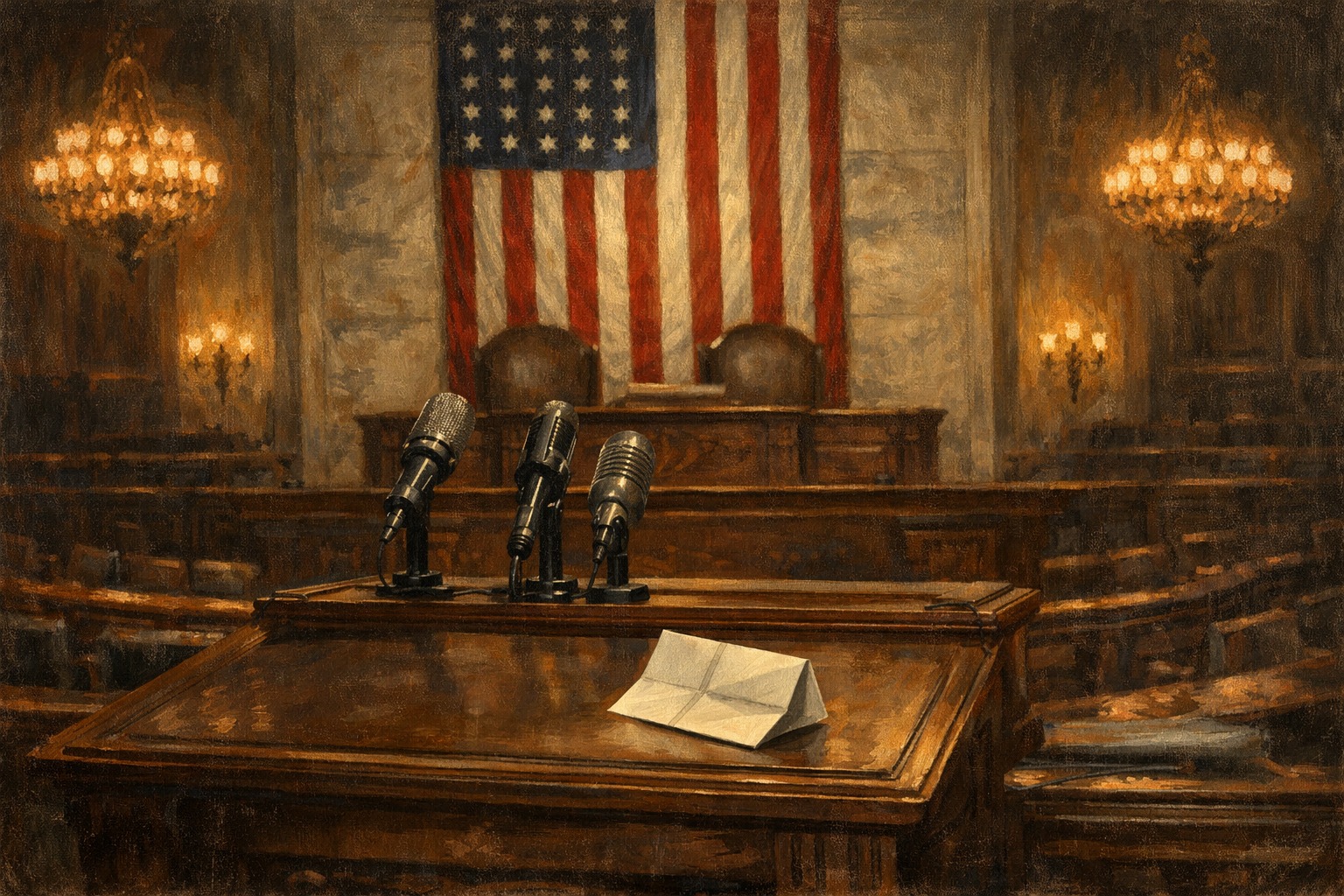
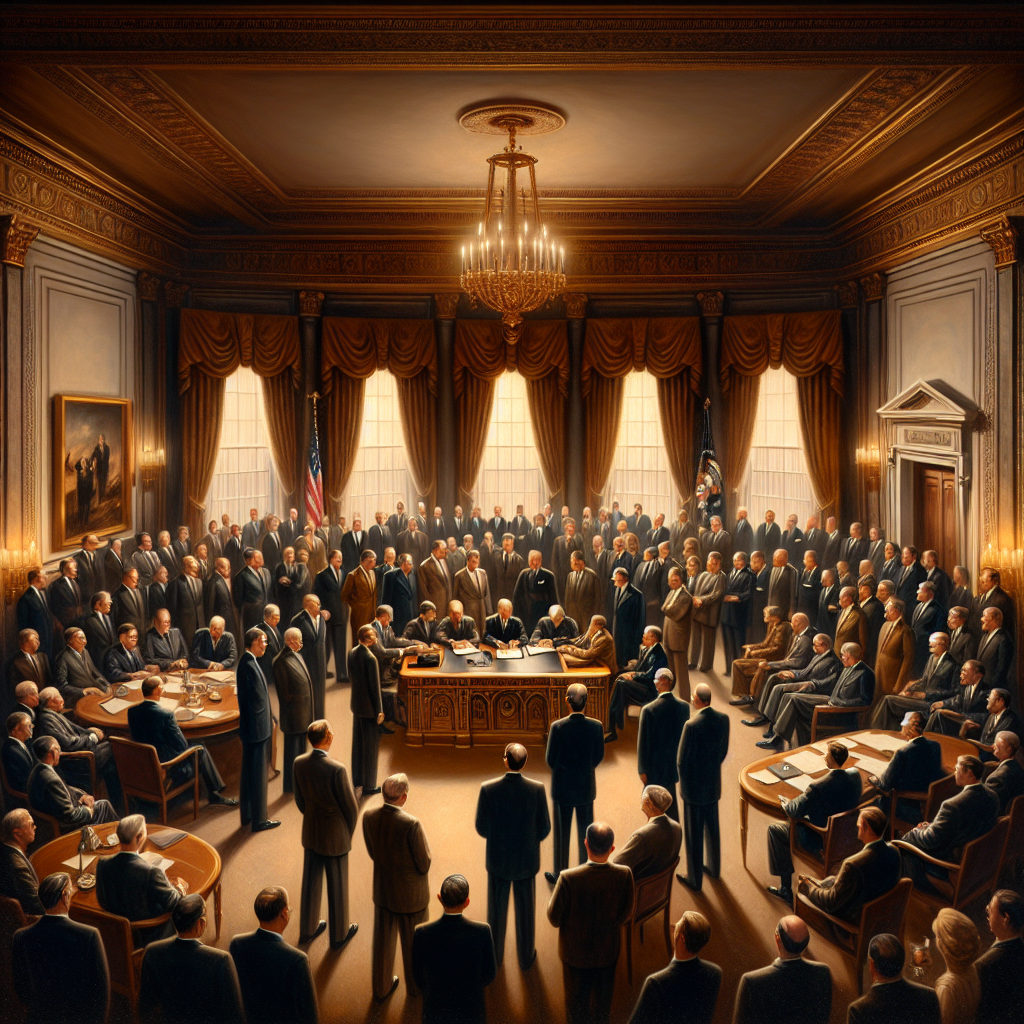
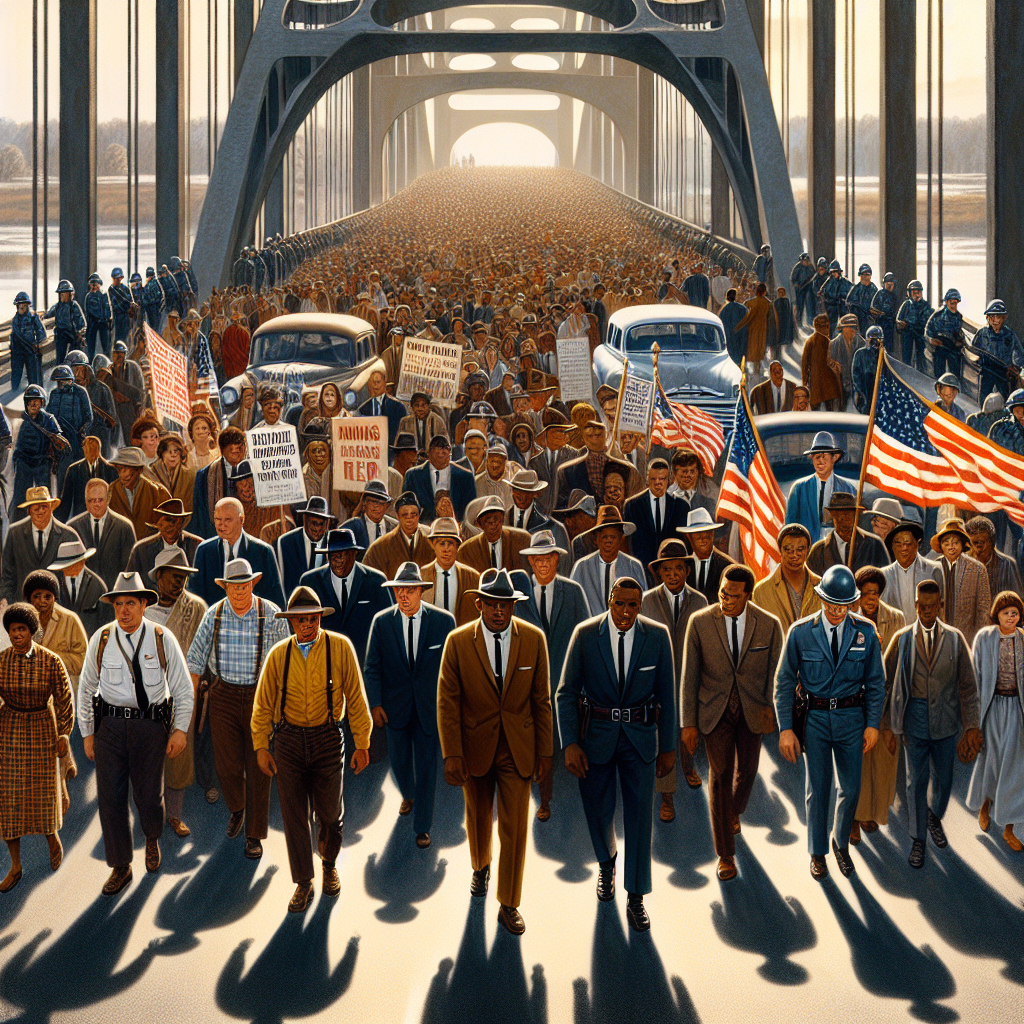
On March 7, 1965, Alabama state troopers and a sheriff's posse attacked some six hundred voting-rights marchers on the Edmund Pettus Bridge in Selma, beating them with clubs and driving them back with tear gas. Television carried the scenes of Bloody Sunday into homes across the country. A week later, on the night of March 15, President Lyndon Johnson went before a joint session of Congress to ask for a law guaranteeing Black Americans the right to vote.
"At times history and fate meet at a single time in a single place to shape a turning point in man's unending search for freedom," he began. "So it was at Lexington and Concord. So it was a century ago at Appomattox. So it was last week in Selma, Alabama." There was no Negro problem, no Southern problem, no Northern problem, he said, only an American problem, and no moral issue was more clear than the denial of the right to vote.
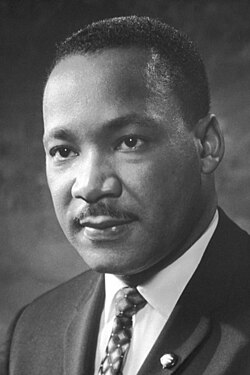
Midway through, the Texan who had spent much of his career managing the Senate's Southern bloc adopted the anthem of the movement as his own. "It is not just Negroes, but really it is all of us, who must overcome the crippling legacy of bigotry and injustice," he said. "And we shall overcome." The chamber sat in silence for a moment and then rose. In Selma, Martin Luther King Jr. watched on television, and his aide C. T. Vivian later recalled seeing tears run down his cheek.
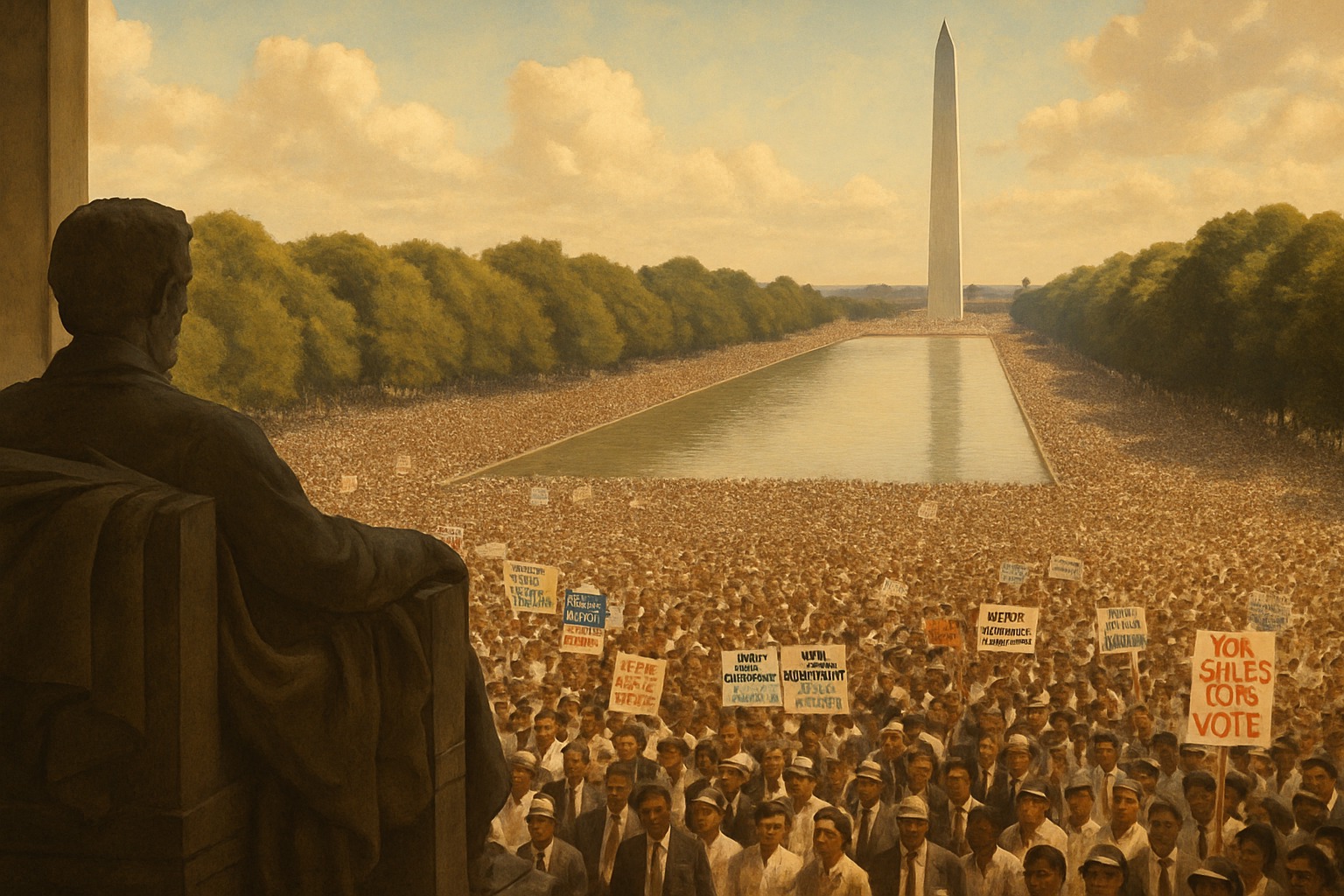
Johnson also spoke of teaching Mexican American children in Cotulla, Texas, as a young man and of seeing the scars of poverty and hatred on their faces. Congress passed the Voting Rights Act that summer and Johnson signed it on August 6, 1965. Within a few years Black registration across the Deep South had risen dramatically, and the speech is remembered as the moment a president put the full weight of his office behind the movement.
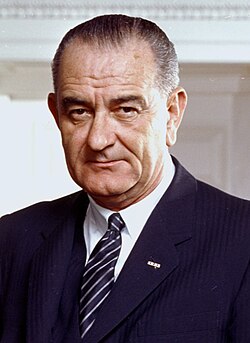
| Speaker | President Lyndon B. Johnson |
| Date | March 15, 1965 |
| Occasion | Joint session of Congress |
| Prompted by | Bloody Sunday at Selma, March 7, 1965 |
| Key line | "And we shall overcome." |
| Result | Voting Rights Act signed August 6, 1965 |
| Date | March 15, 1965 |
| Location | U.S. Capitol, Washington, D.C. |