Yellowstone National Park
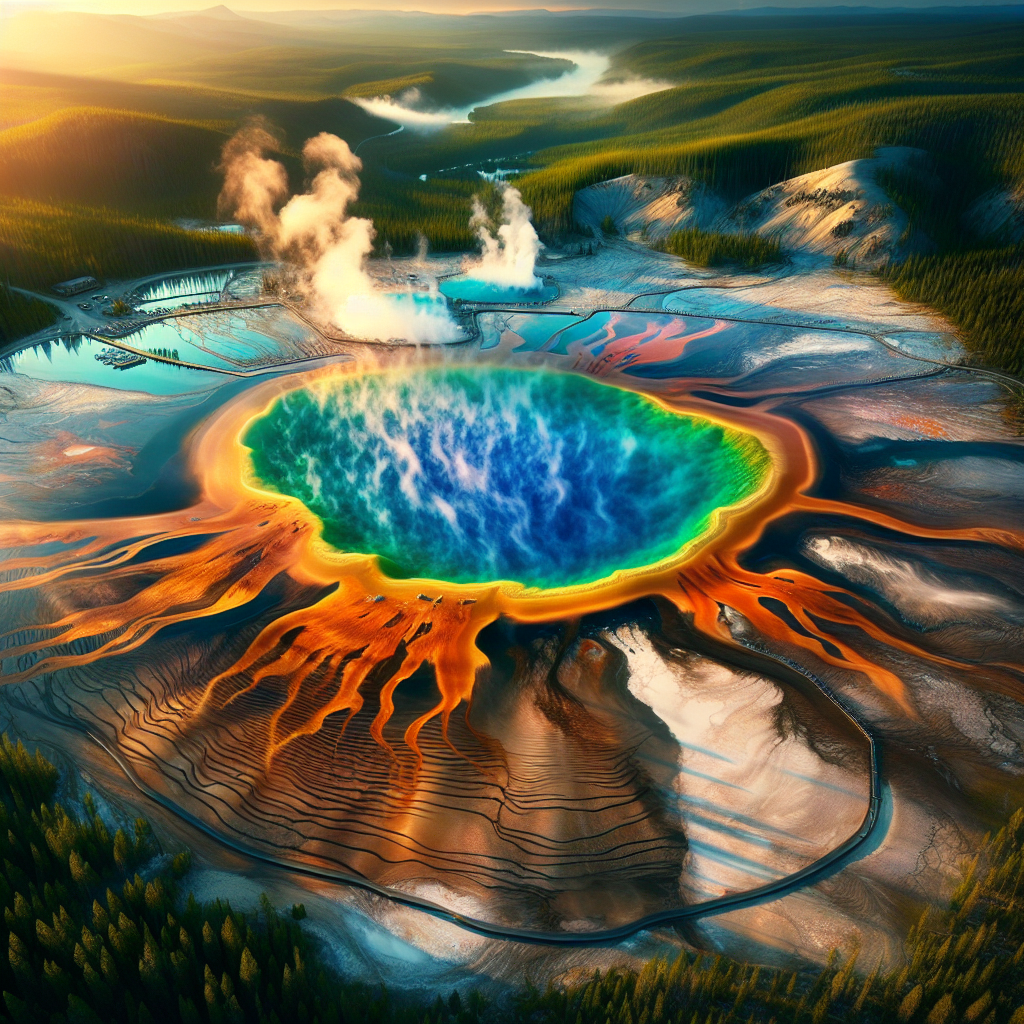
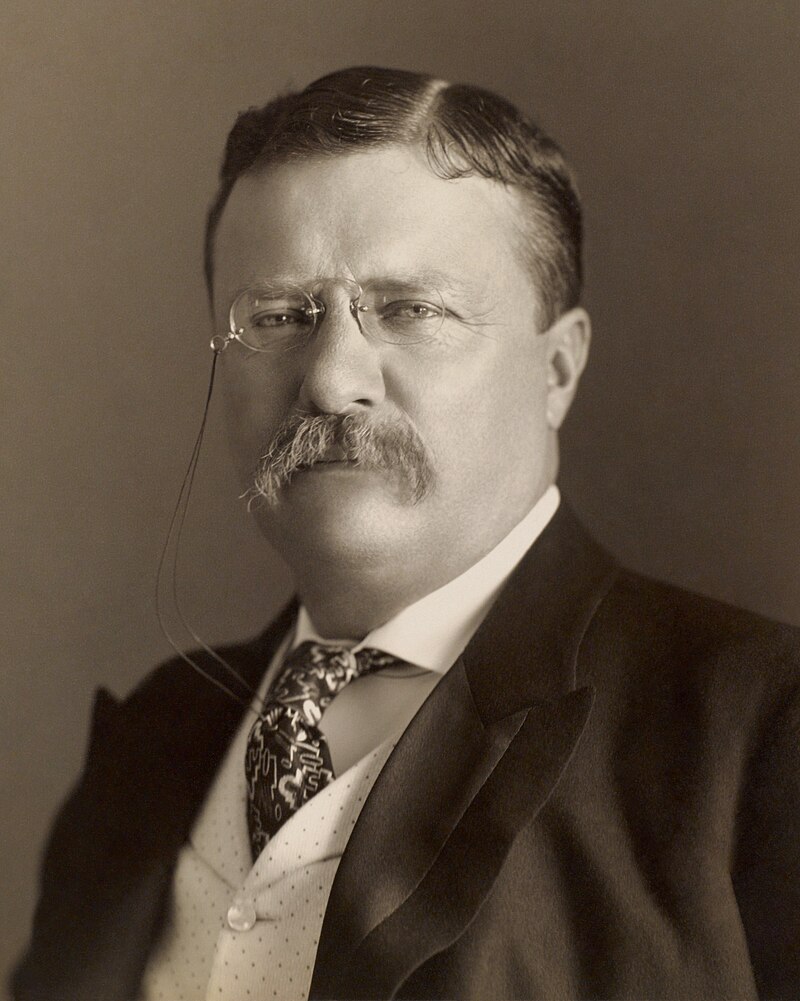
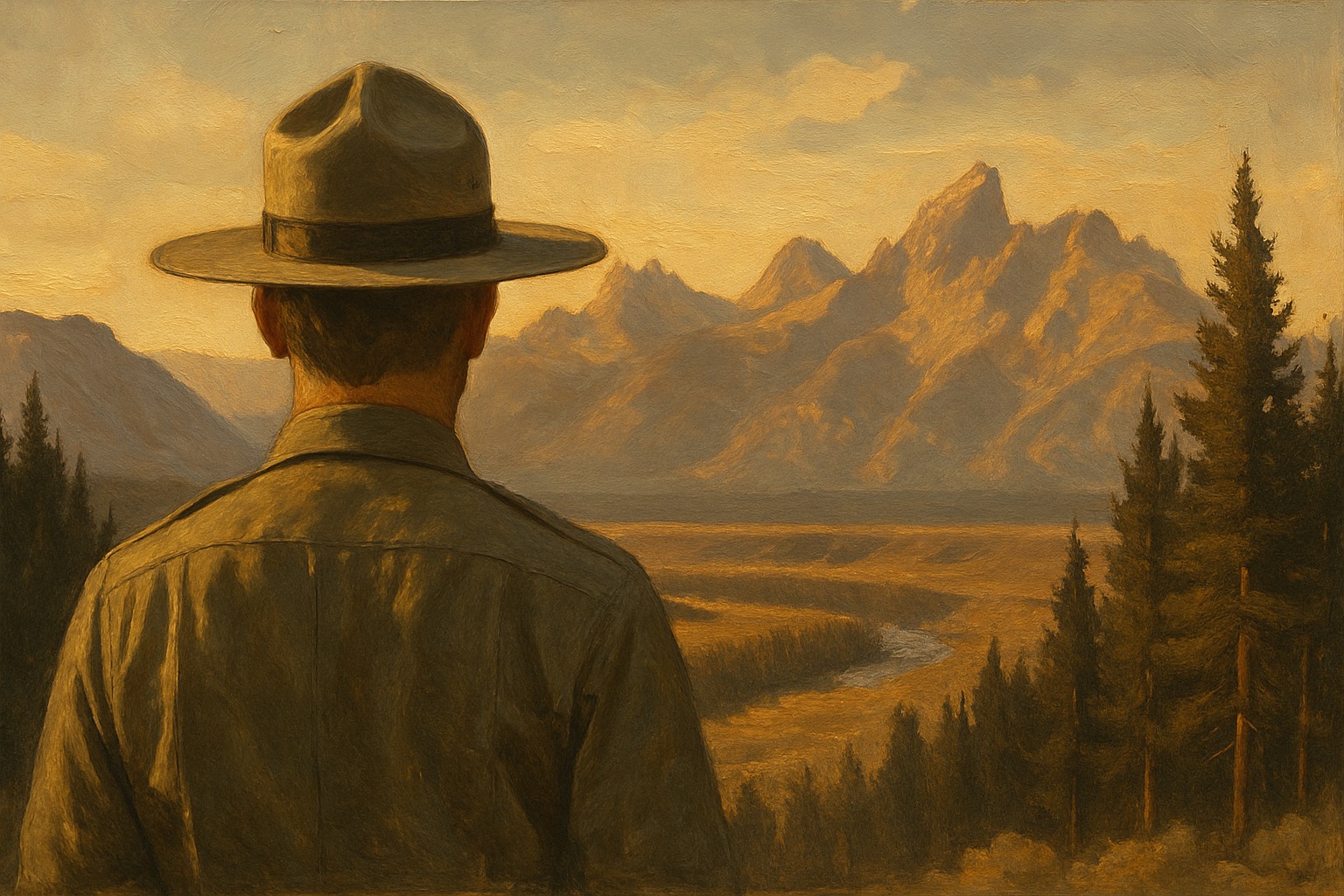
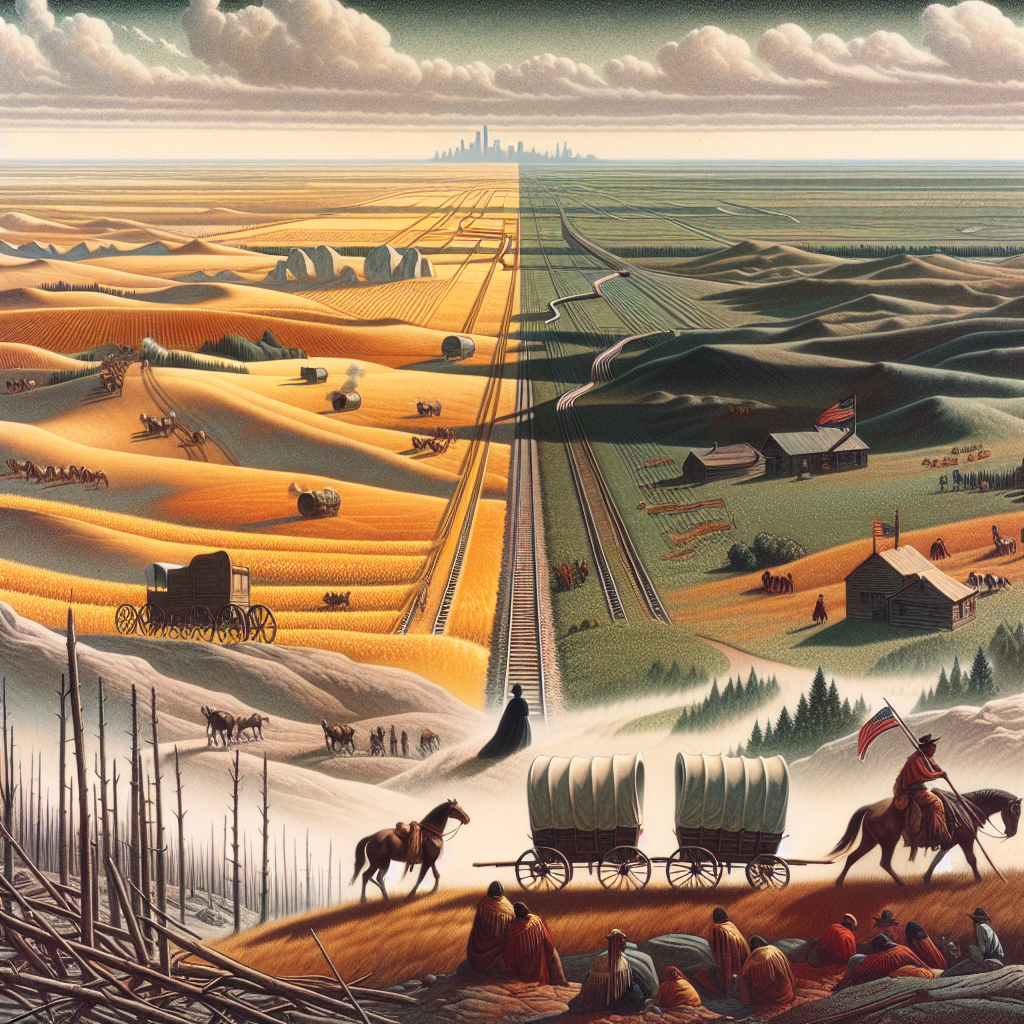
When Ulysses S. Grant signed the Yellowstone Act on March 1, 1872, setting aside more than two million acres in the Wyoming, Montana, and Idaho territories as a public pleasuring ground "for the benefit and enjoyment of the people," he created something that had never existed before: a national park. The land was not wilderness in any pristine sense. The Shoshone, Bannock, Crow, and other nations had lived in and traveled through the Yellowstone plateau for thousands of years. The designation that preserved it from commercial development simultaneously excluded the people who had managed it longest, removing them by policy and eventually by force.
Yellowstone sits atop one of the largest active volcanic systems on earth — a supervolcano whose last full eruption, 640,000 years ago, deposited ash across half the continent. The thermal energy powering that system produces more than 10,000 geothermal features: geysers, hot springs, mud pots, and fumaroles that exist nowhere else in such concentration. Old Faithful, which erupts every 44 to 125 minutes to a height of 100 to 180 feet, became the park's signature spectacle and one of the most visited natural features in the world. The park's thermal pools are simultaneously among the most beautiful and most inhospitable environments on earth, sustaining heat-adapted microorganisms that have contributed to breakthroughs in biotechnology and forensic science.
The wolves tell the park's most instructive recent story. Hunted to local extinction by 1926, they were reintroduced from Canada in 1995 over the fierce objections of ranchers. Their return triggered what ecologists call a trophic cascade: wolf predation changed where elk grazed, which allowed riverbank vegetation to recover, which stabilized stream banks, which altered the courses of rivers. The wolves changed the rivers without ever touching them — a demonstration of ecological complexity that has become a standard reference in environmental science and one of the most dramatic examples of rewilding in American history.
| Established | March 1, 1872 |
| Area | 2,219,791 acres (3,468 sq miles) |
| Location | Primarily Wyoming; also Montana and Idaho |
| Annual visitors | ~4.5 million |
| Geothermal features | ~10,000 (more than anywhere else on Earth) |
| Old Faithful | Erupts every 44–125 minutes |
| Wolf reintroduction | 1995 (31 wolves from Canada) |
| UNESCO | World Heritage Site (1978) |
| Date | March 1, 1872 |
| Location | Yellowstone, Wyoming |