Assassination of Malcolm X
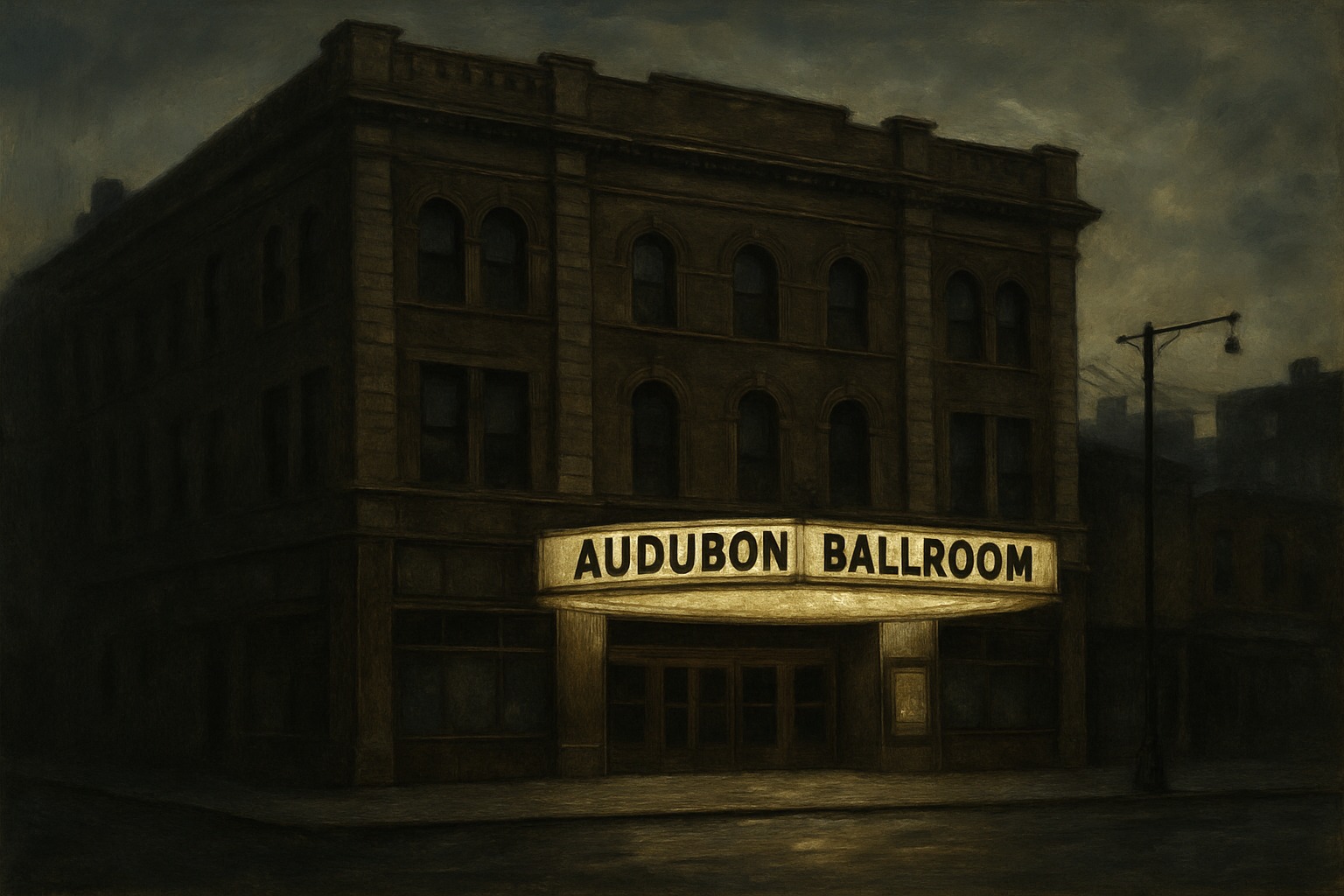
On February 21, 1965, Malcolm X was shot and killed as he rose to speak at the Audubon Ballroom in the Washington Heights neighborhood of Manhattan. He was thirty-nine, and his death came at a moment of dramatic personal transition: he had broken with the Nation of Islam the year before, made the pilgrimage to Mecca, and begun moving toward a broader, less separatist vision of the struggle against American racism.
That break had made him dangerous to his former movement. Malcolm had publicly accused the Nation of Islam's leadership of corruption, and the organization had answered with escalating threats; his home had been firebombed a week before the killing. Three members of the Nation were convicted of the murder, though the case was clouded from the start by doubts about who actually fired the shots.
Those doubts persisted for more than half a century. In 2021, after an investigation prompted in part by a documentary, two of the three convicted men were exonerated, with prosecutors acknowledging that the FBI and police had withheld evidence pointing to their innocence. The full truth of who organized the assassination has never been established.
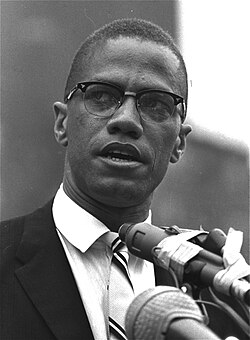
Malcolm X's influence grew enormously after his death, propelled by the posthumous publication of his autobiography, co-written with Alex Haley. His insistence on Black self-respect, self-defense, and pride became foundational to the Black Power movement that rose later in the 1960s, offering a counterpoint to King's integrationist nonviolence that still shapes American debates about race.
| Date | February 21, 1965 |
| Place | Audubon Ballroom, Manhattan, New York |
| Victim | Malcolm X, age 39 |
| Context | Recent break with the Nation of Islam |
| Convictions | Three convicted; two exonerated in 2021 |
| Legacy | Foundational to the Black Power movement |
| Date | February 21, 1965 |
| Location | New York, New York |