The Anti-Saloon League
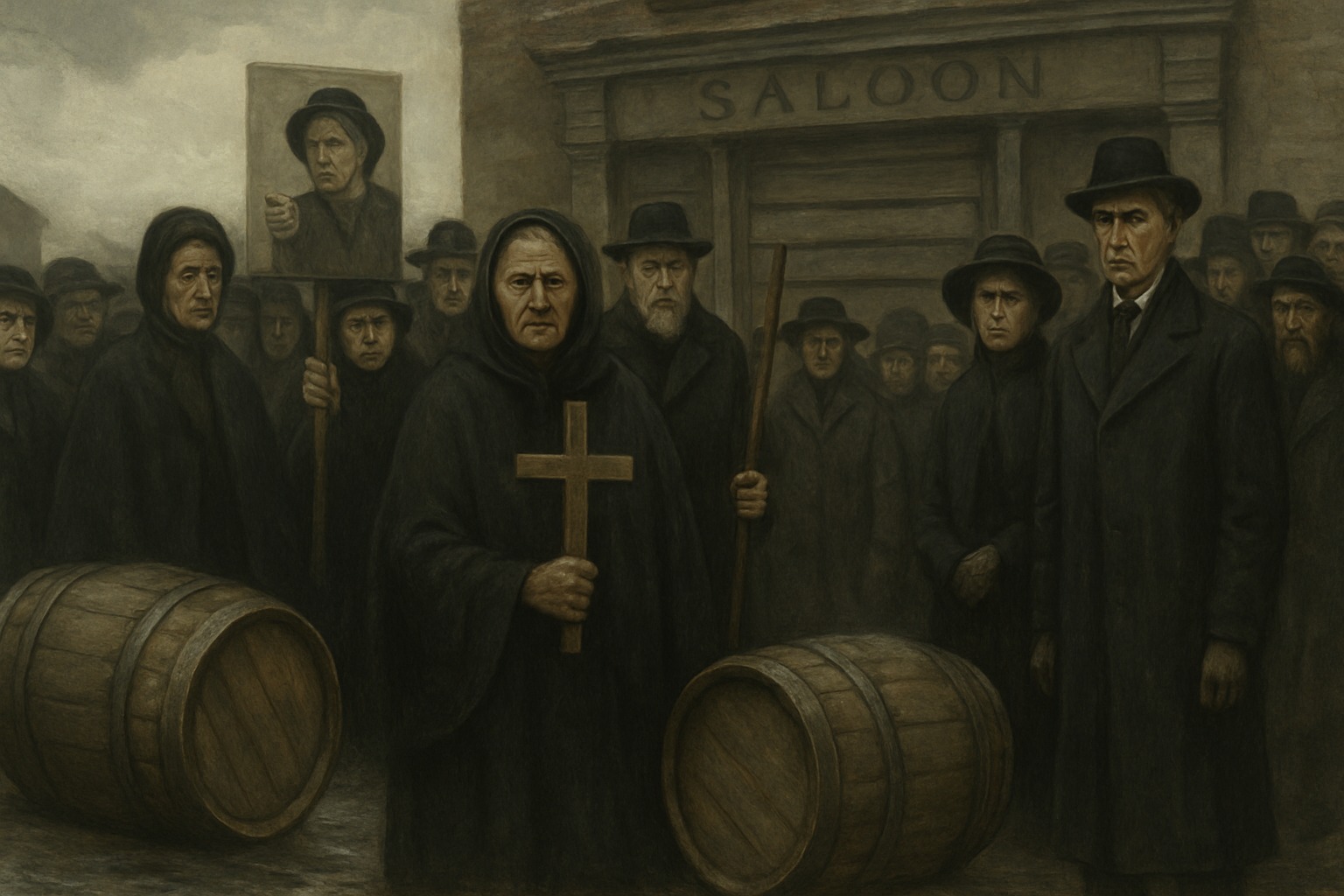
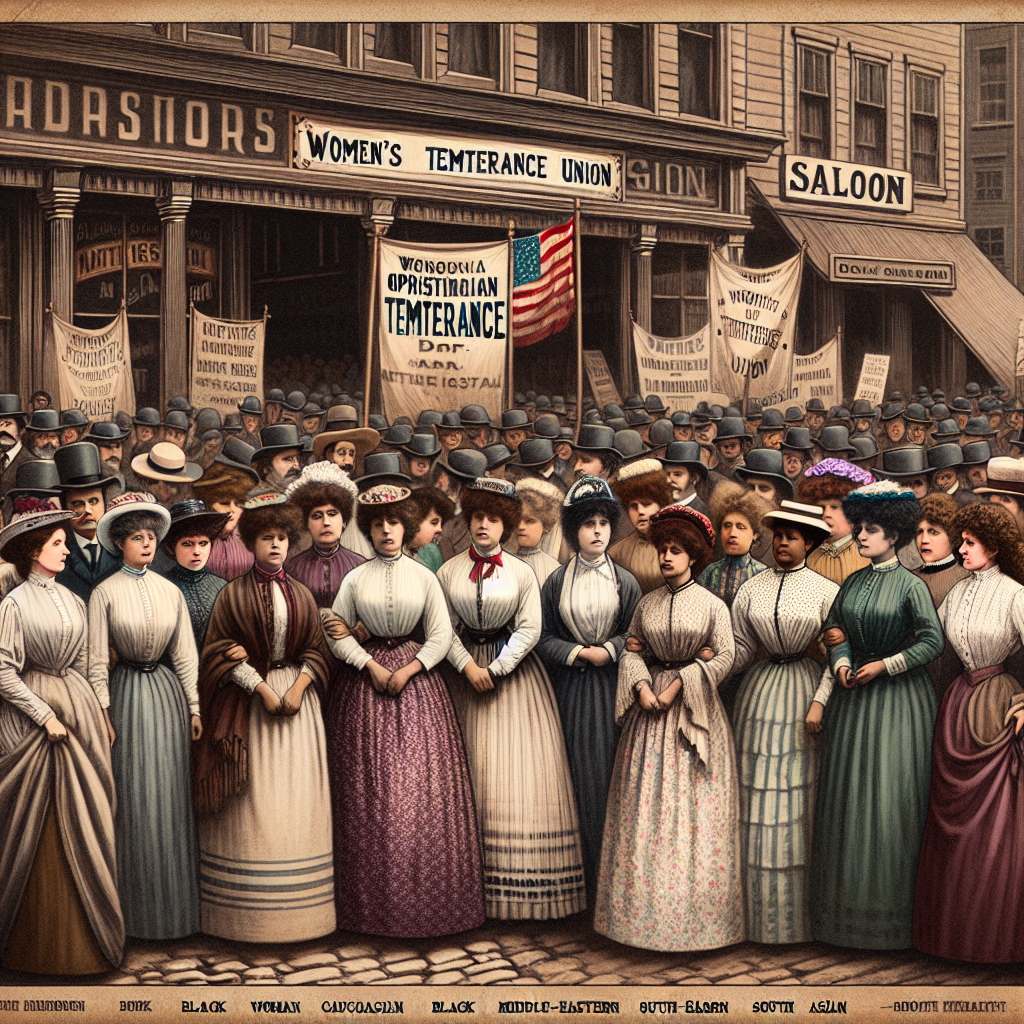
The Anti-Saloon League set out to do one thing — abolish the liquor trade — and did it with a focus that made it the most effective pressure group of its age. Founded in Ohio in 1893 and drawing its strength from Protestant churches, the League ignored every issue but drink and became a pioneer of a new kind of politics. It cared nothing for a candidate's party or other views, backing anyone who would vote dry and punishing anyone who would not.
Its chief strategist, Wayne Wheeler, perfected what came to be called pressure politics, marshaling church congregations to flood legislators with letters, votes, and threats at election time. The League built a formidable publishing operation and a disciplined national organization, and it swung close elections by delivering a bloc of single-issue voters. Politicians learned to fear it, and the movement to ban alcohol, long the cause of scattered temperance societies, suddenly had a machine behind it.
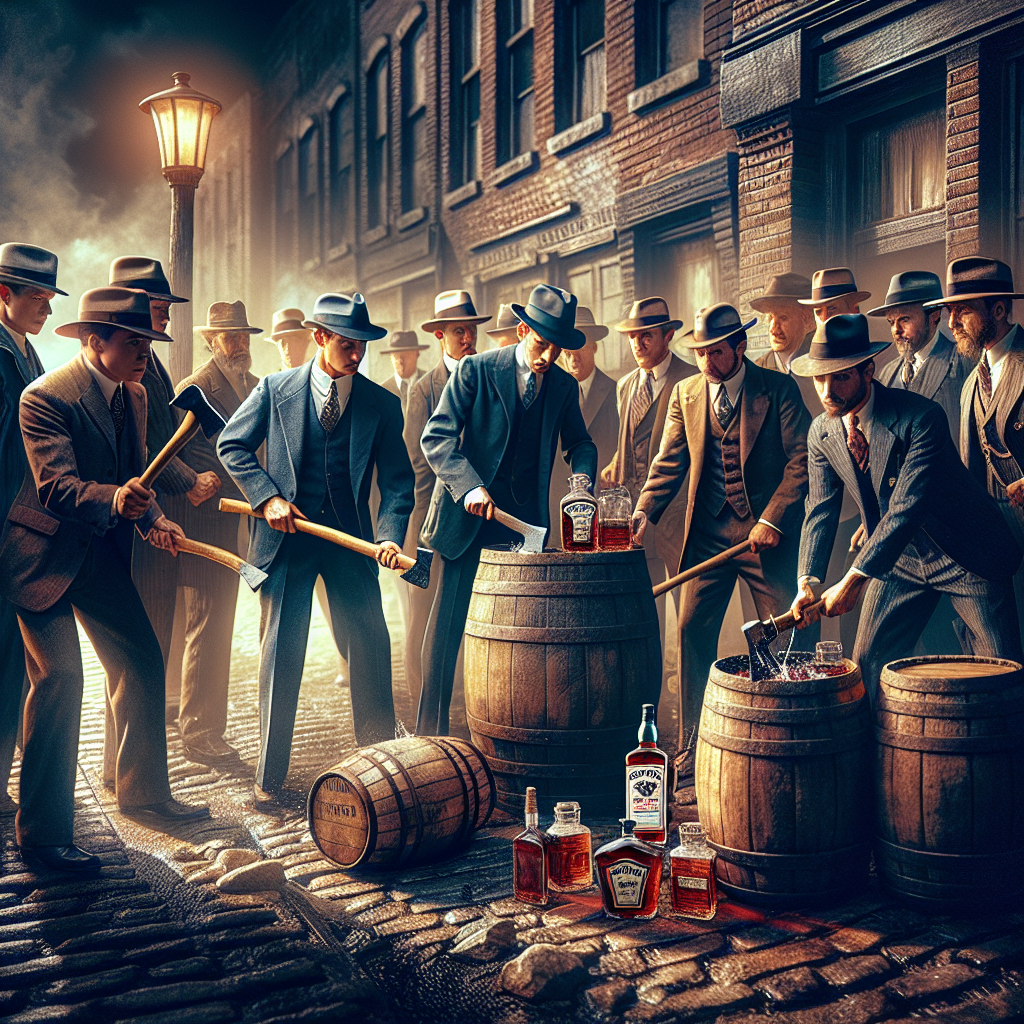
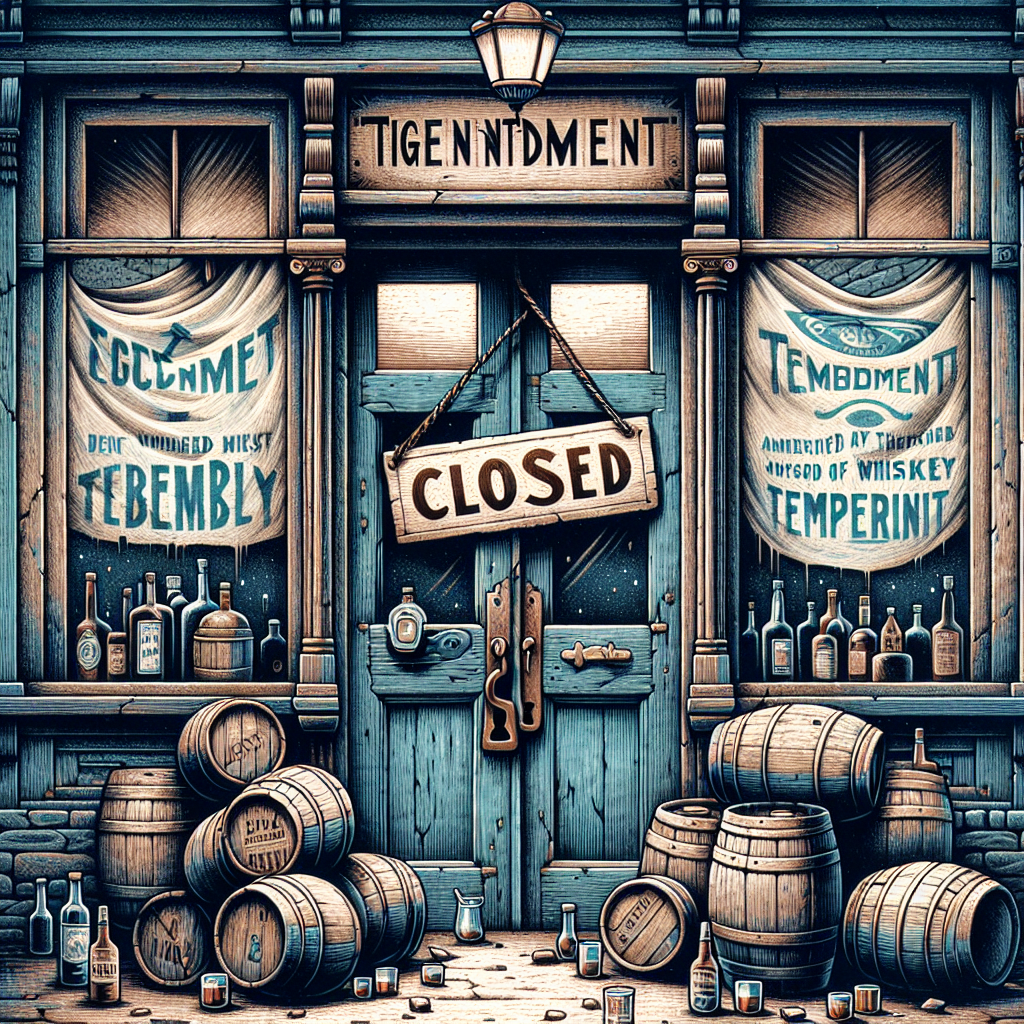
The League's triumph came in 1919, when its decades of pressure produced the Eighteenth Amendment and the nationwide prohibition of alcohol. It was the crowning victory of the long temperance crusade and a stunning demonstration of what a determined single-issue lobby could achieve — a constitutional amendment reshaping the private habits of an entire nation, driven by an organization most Americans could not have named.
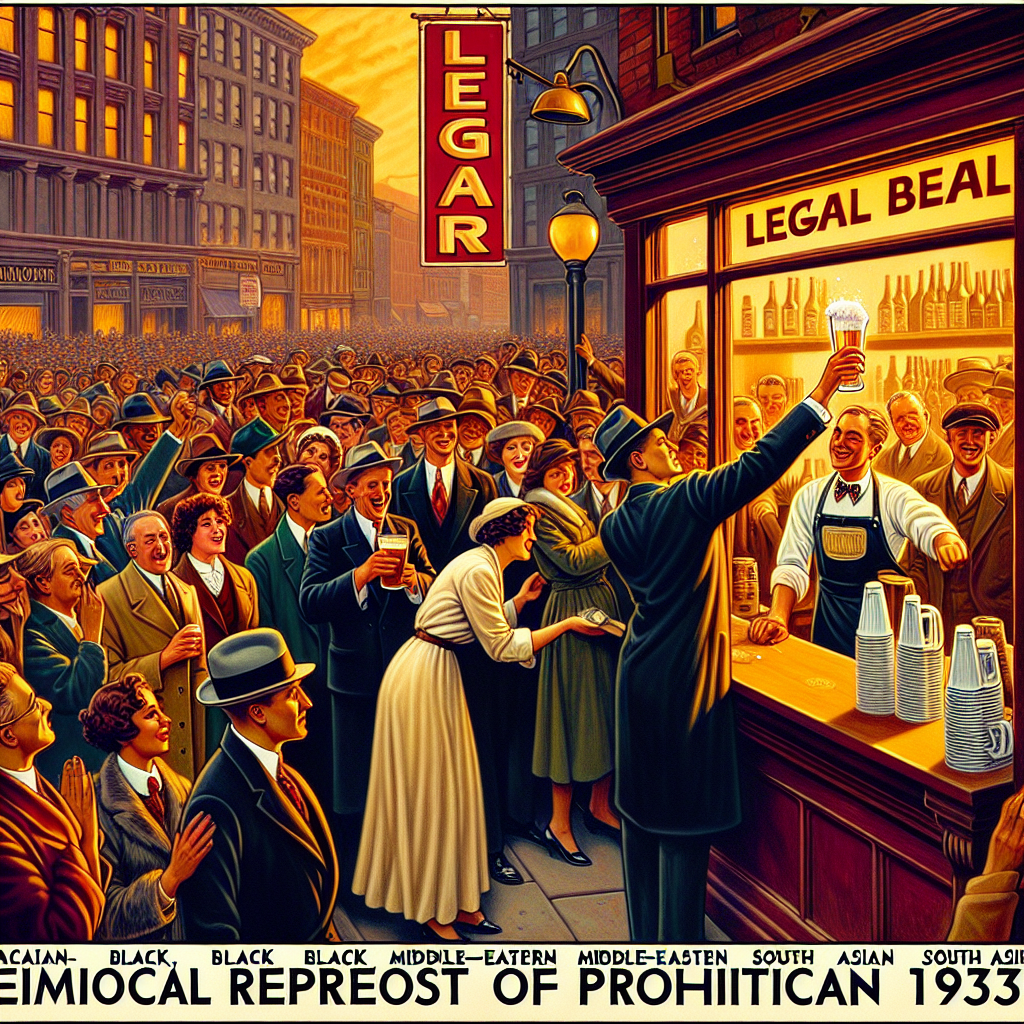
The victory contained the seeds of the League's undoing. Prohibition proved unenforceable, bred organized crime, and lost public support, and when the Twenty-first Amendment repealed it in 1933, the Anti-Saloon League collapsed with the cause it had ridden to power. Its lasting mark was not the ban it won but the method it invented — the model of the modern single-issue lobby that countless later movements, across the political spectrum, would follow.
| Founded | 1893, Ohio |
| Type | Single-issue temperance lobby |
| Strategist | Wayne Wheeler ("pressure politics") |
| Base | Protestant churches |
| Triumph | 18th Amendment / Prohibition (1919) |
| Undone by | Repeal — 21st Amendment (1933) |
| Date | 1893–1933 |
| Location | Oberlin, Ohio |