Iran-Contra Affair
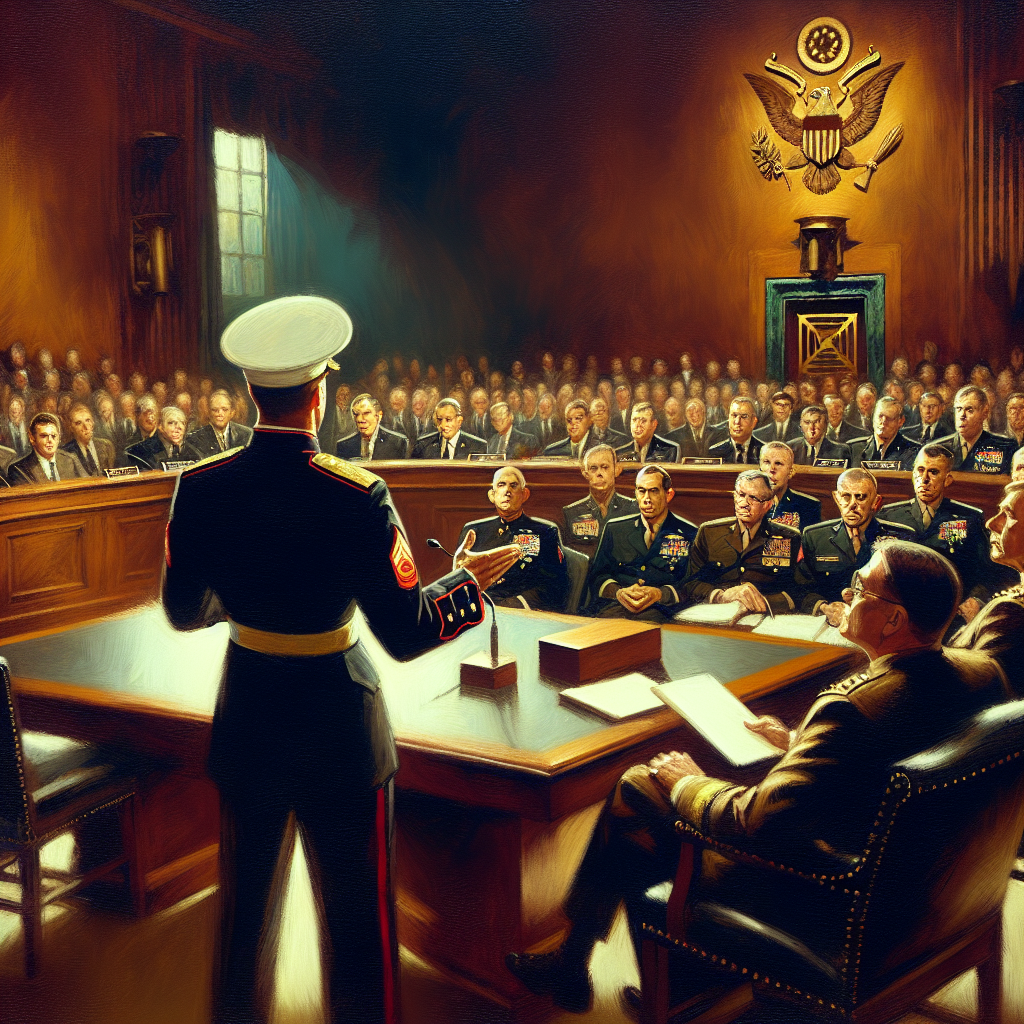
The Iran-Contra affair was two scandals woven together, each of which would have been serious on its own. The first: the Reagan administration secretly sold weapons to Iran — then under an arms embargo and in the midst of a war with Iraq — in hopes of securing the release of American hostages held in Lebanon by Iranian-backed Hezbollah. The second: the profits from those arms sales were secretly diverted to the Contras, the rebel forces fighting the Sandinista government in Nicaragua, in direct violation of the Boland Amendment, which Congress had passed specifically to prohibit U.S. military aid to the Contras. The operation was run out of the National Security Council by Marine Lieutenant Colonel Oliver North.
The scheme unraveled in November 1986 when a Lebanese magazine reported the arms sales, and the diversion of funds to the Contras was revealed shortly after. Reagan acknowledged the arms sales in a nationally televised address but denied they constituted an arms-for-hostages deal. Later he acknowledged that whatever his intentions, that was effectively what had occurred. Fourteen administration officials were indicted; eleven were convicted. Most convictions were either overturned on appeal or the defendants were pardoned by President George H.W. Bush in December 1992, days before independent counsel Lawrence Walsh was expected to release potentially damaging findings.
The constitutional significance of Iran-Contra was the revelation that a small group within the executive branch had conducted a covert foreign policy that circumvented both congressional oversight and the law — and had done so with the deliberate intent of avoiding accountability. The Tower Commission and the congressional investigating committees documented the operation thoroughly, but the pardons prevented the kind of judicial resolution that Watergate had produced. The affair raised questions about presidential knowledge and executive branch accountability that the prosecution's premature end left permanently unresolved.
| Revealed | November 1986 |
| Key figure | Lt. Col. Oliver North — NSC staffer who ran the operation |
| Arms sold to | Iran — despite U.S. arms embargo |
| Funds diverted to | Nicaraguan Contras — violating the Boland Amendment |
| Indicted | 14 administration officials; 11 convicted |
| Pardons | George H.W. Bush pardoned 6 key figures, December 24, 1992 |
| Investigation | Tower Commission; Joint Congressional Hearings, 1987 |
| Years | 1986–1987 |
| Location | Washington, D.C. |