The National Guard
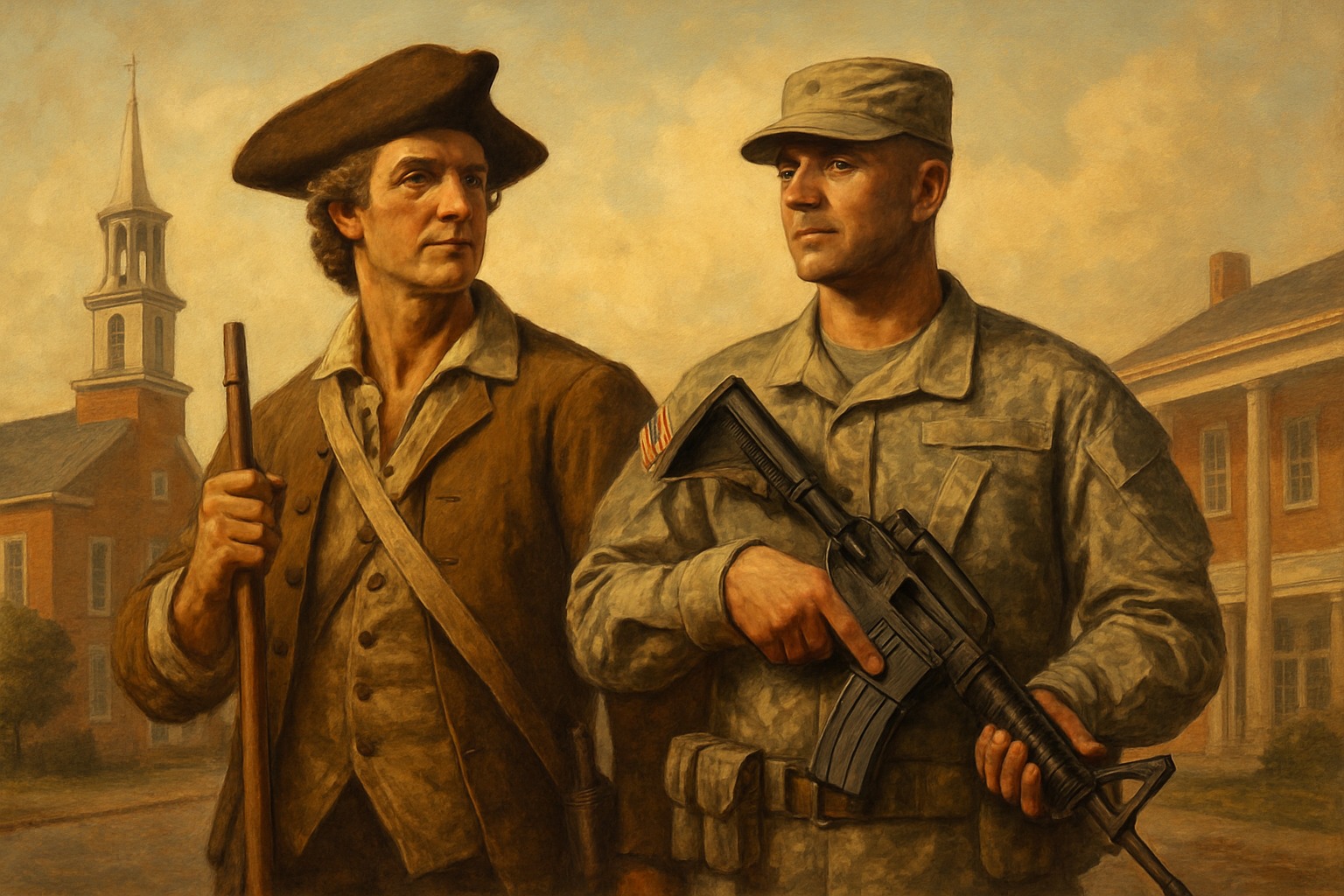
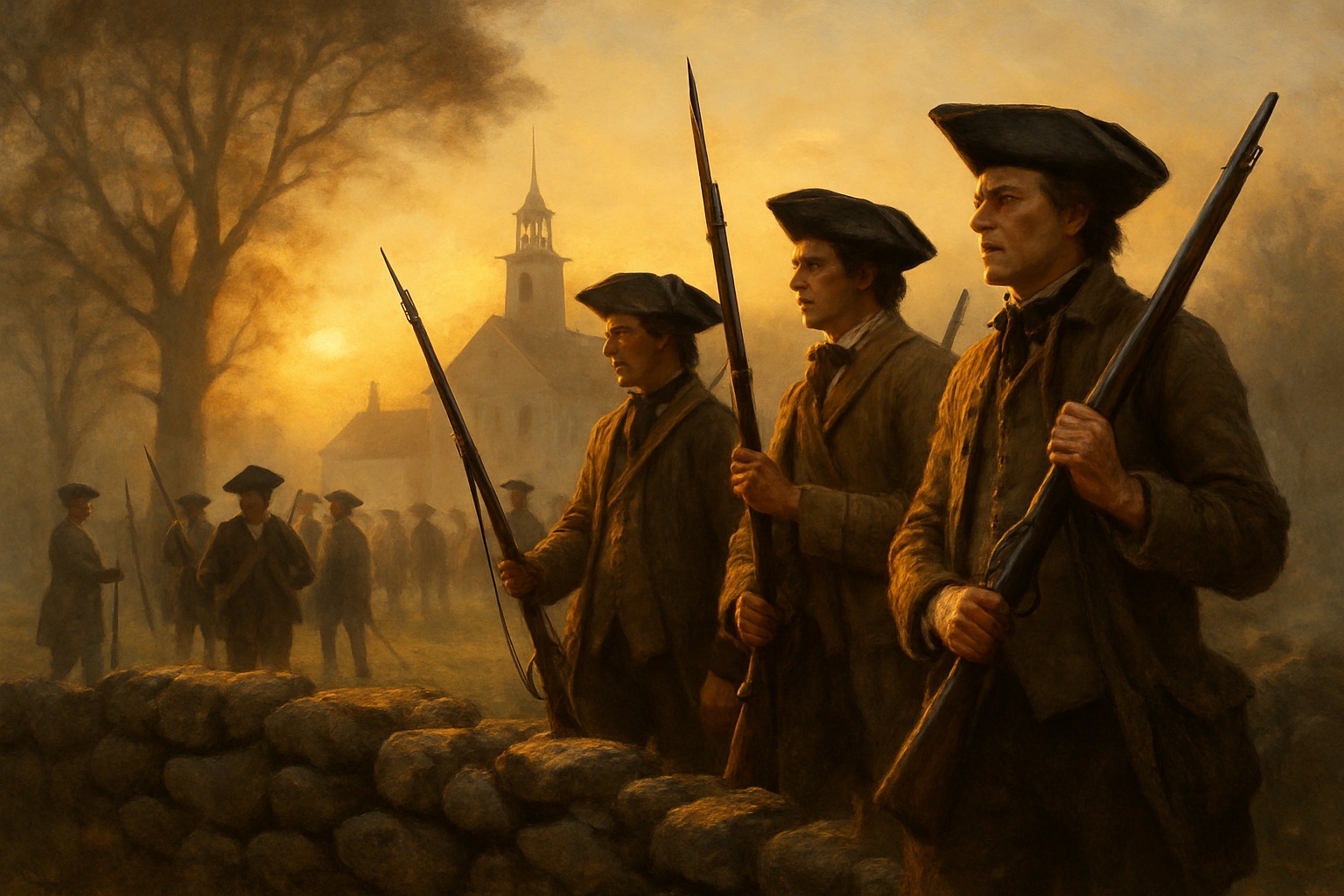
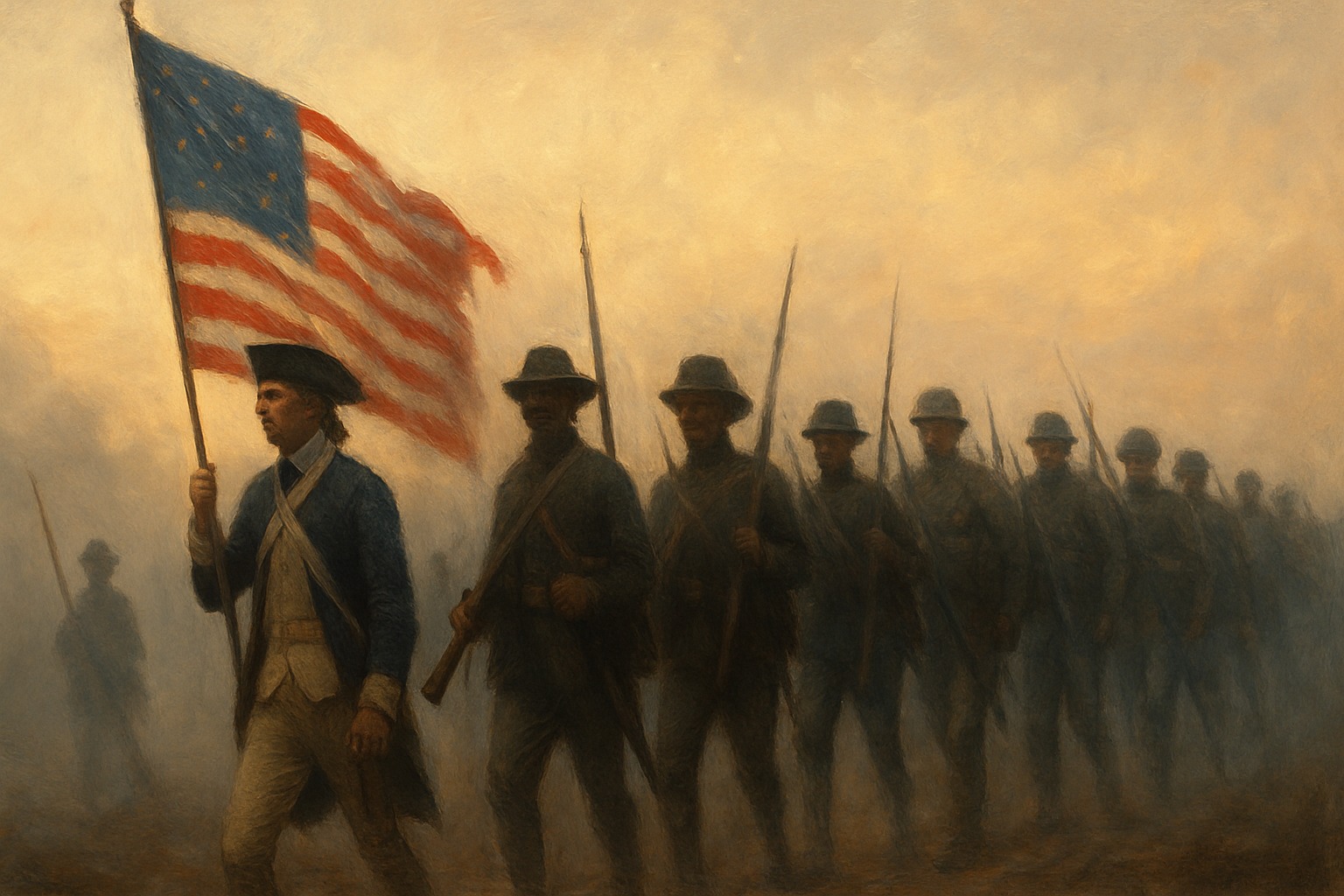
The National Guard is the modern heir to the oldest military tradition in America — the citizen militia. Its lineage runs back to 1636, when the Massachusetts Bay Colony organized its able-bodied men into standing militia regiments, and it passes through the minutemen who fired the first shots of the Revolution. From the start, the idea was that ordinary citizens, not a professional standing army, should bear the responsibility of defense, a conviction woven deep into the American political tradition.
For much of the nation's history these militias were state forces of uneven quality, and their weakness in the wars of the 1800s prompted reform. The Militia Act of 1903, often called the Dick Act, reorganized them into the modern National Guard, tying state units to federal standards, funding, and training and making them a ready reserve the national government could call upon in war.
That dual identity is the Guard's defining feature. In peacetime its units answer to the governors of their states, who deploy them to respond to hurricanes, floods, and civil disorder — from the turmoil of the civil rights era to the aftermath of natural disasters. In wartime the president can federalize them, and Guard units have fought in every major American conflict of the past century, deploying in large numbers to the World Wars, Iraq, and Afghanistan.
The National Guard embodies the citizen-soldier ideal that reaches back to the minutemen: men and women who hold civilian jobs and train part-time, ready to serve their state or their country when called. Neither wholly a federal force nor purely a state one, it remains a uniquely American institution, a standing expression of the old belief that the defense of a free people should rest, at least in part, in the people's own hands.
| Roots | 1636 colonial militia |
| Modernized | 1903 (Militia/Dick Act) |
| Command | Dual — state governors and the president |
| Domestic role | Disasters and civil disorder |
| Federal role | Overseas deployment in wartime |
| Heritage | The citizen-soldier tradition |
| Date | Rooted 1636; modern form 1903 |
| Location | Washington, D.C. |