The National Weather Service

The case for a federal weather service was made with a list of wrecks. Increase Lapham, a Milwaukee scientist, tallied the ships lost on the Great Lakes and argued that most of them need not have been, because the storms that sank them had crossed the interior in plain view of the telegraph. Representative Halbert Paine of Wisconsin carried the argument to Congress, and on February 9, 1870, Ulysses S. Grant signed a joint resolution creating a national storm-warning service. It went to the Army Signal Service, on the theory that only military discipline would get observations taken at the same moment every day.
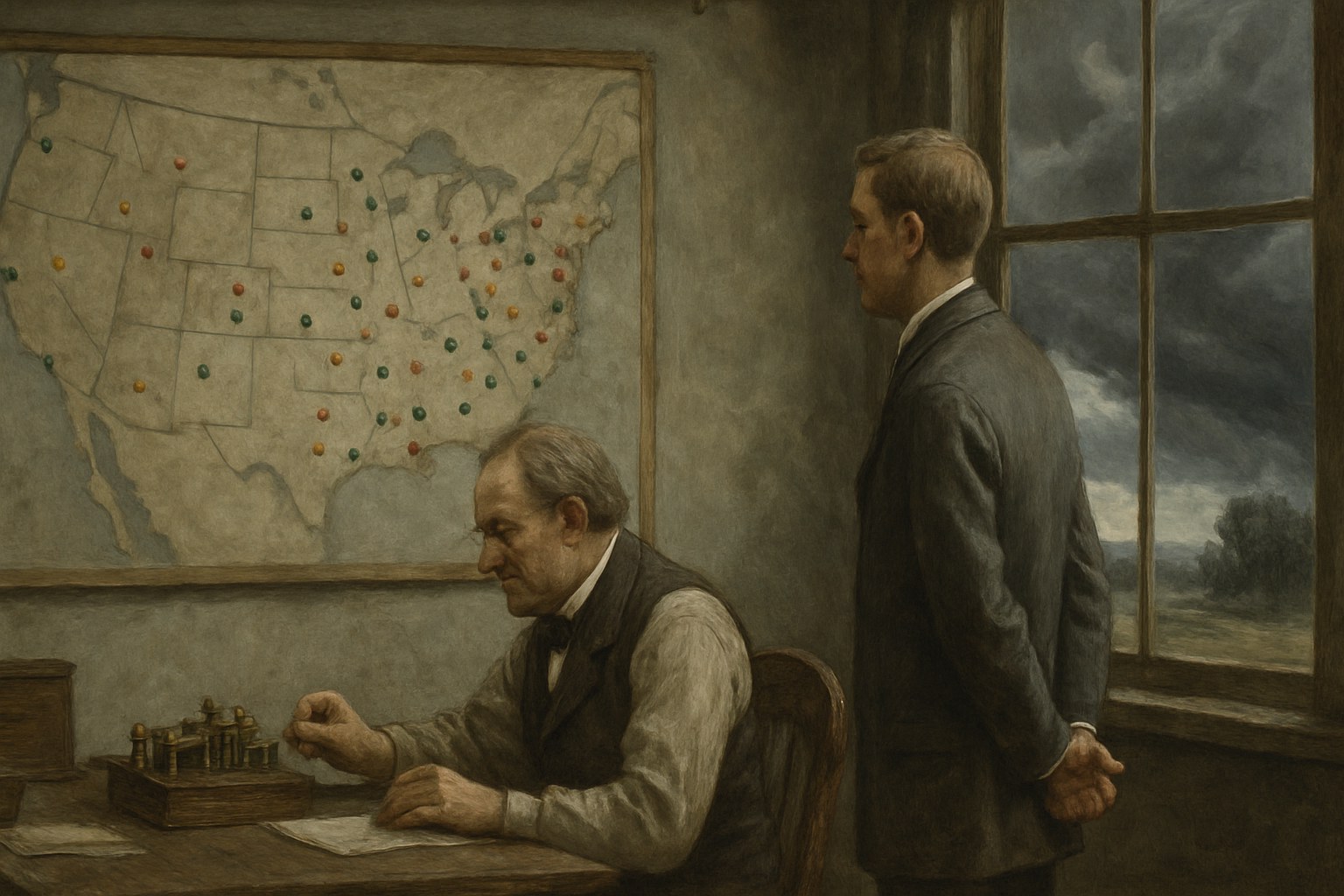
Observers began taking simultaneous readings on November 1, 1870, and telegraphing them to Washington, where a duty officer drew the map and issued the day's probabilities. Two decades of complaints about a scientific bureau run by soldiers produced the Organic Act of 1890, which moved the work to the Department of Agriculture as a civilian Weather Bureau, on the reasoning that farmers were its largest constituency. The transfer took effect in July 1891 and left the bureau where it would stay for the next fifty years.
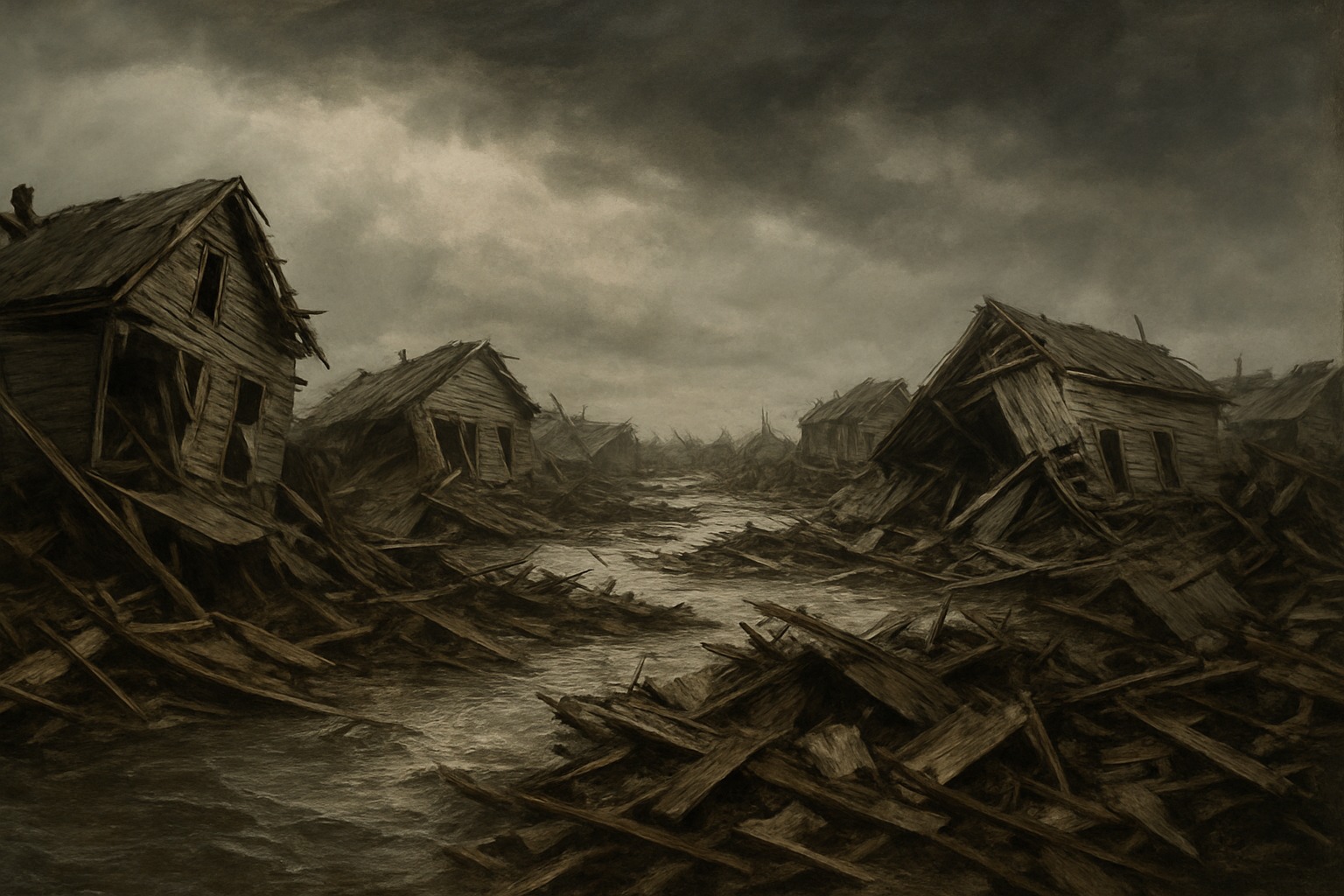
Its worst failure came at Galveston. In 1898 the bureau chief, Willis Moore, had barred Cuban forecasters from cabling hurricane warnings into the United States, dismissing the Jesuit observatory in Havana — which had studied Caribbean hurricanes for decades and knew their tracks better than Washington did — as alarmist. In September 1900 Havana warned that the storm crossing Cuba would turn into the Gulf of Mexico. Washington predicted it would recurve up the Atlantic coast. It went into the Gulf and destroyed Galveston, killing somewhere between six and twelve thousand people, still the deadliest natural disaster in American history.
The bureau moved to the Department of Commerce in 1940 and was renamed the National Weather Service in 1970, when it became the forecasting arm of the new NOAA. Its most useful invention may also be its simplest — the distinction between a watch, meaning conditions favor severe weather somewhere across a large area, and a warning, meaning it is happening or about to, right here. That two-word grammar, issued from roughly 120 local forecast offices and pushed out over radio, television, and telephones, is how most Americans find out they have minutes rather than hours.

| Created | Joint resolution signed February 9, 1870 |
| First home | The Army Signal Service |
| Civilian | 1890 — Weather Bureau, Dept. of Agriculture |
| Moved | To Commerce in 1940 |
| Renamed | National Weather Service, 1970, under NOAA |
| Core system | The watch (conditions favor) and the warning (act now) |
| Date | Founded 1870 |
| Location | Silver Spring, Maryland |