The United States Navy
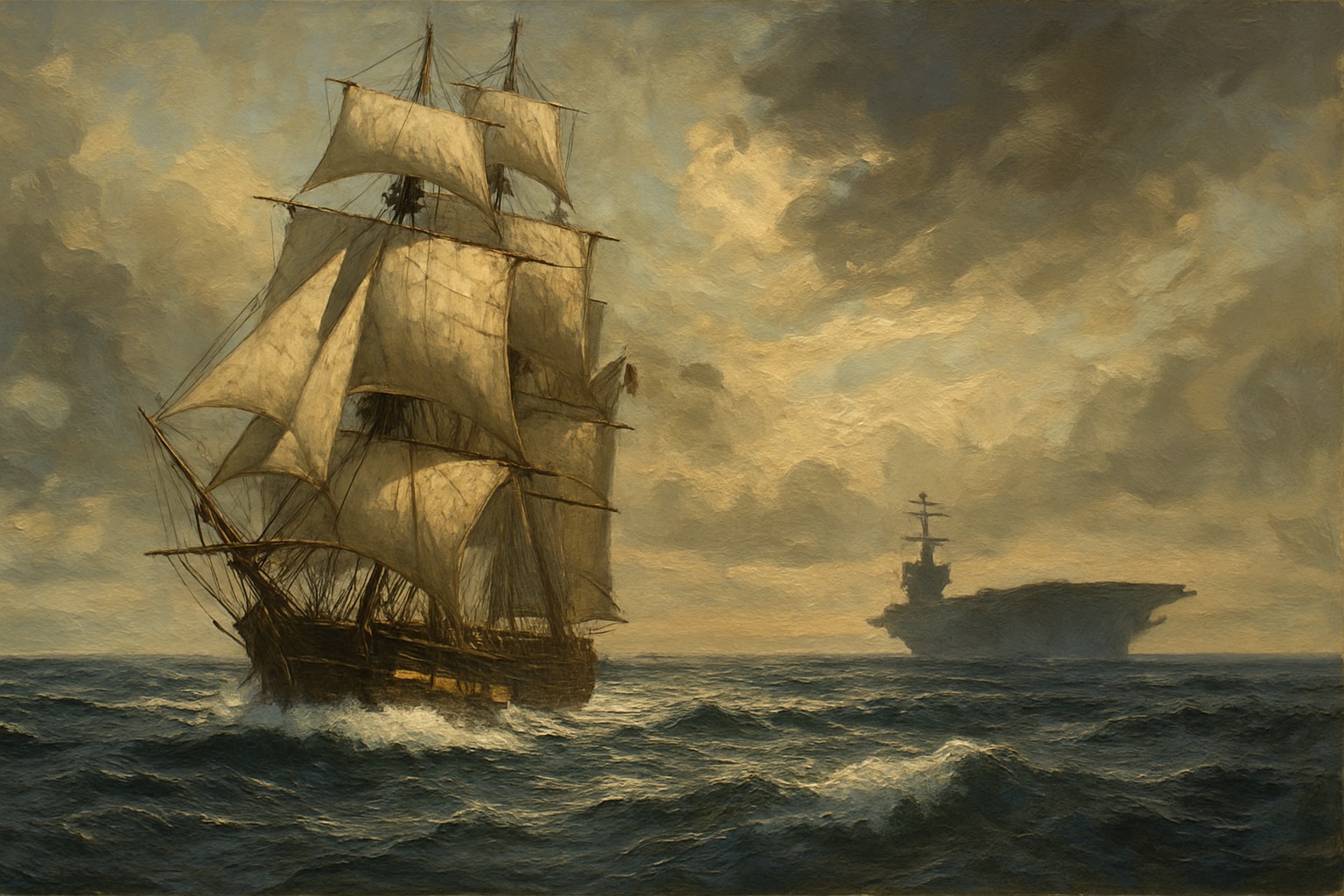
The Continental Navy that Congress authorized in October 1775 was a ragtag fleet of converted merchant ships, disbanded almost as soon as the Revolution was won. The permanent United States Navy was truly born in 1794, when Congress ordered six frigates built to protect American shipping from Barbary pirates. One of them, USS Constitution, still floats in Boston Harbor — the oldest commissioned warship afloat and a link to the service's beginnings.
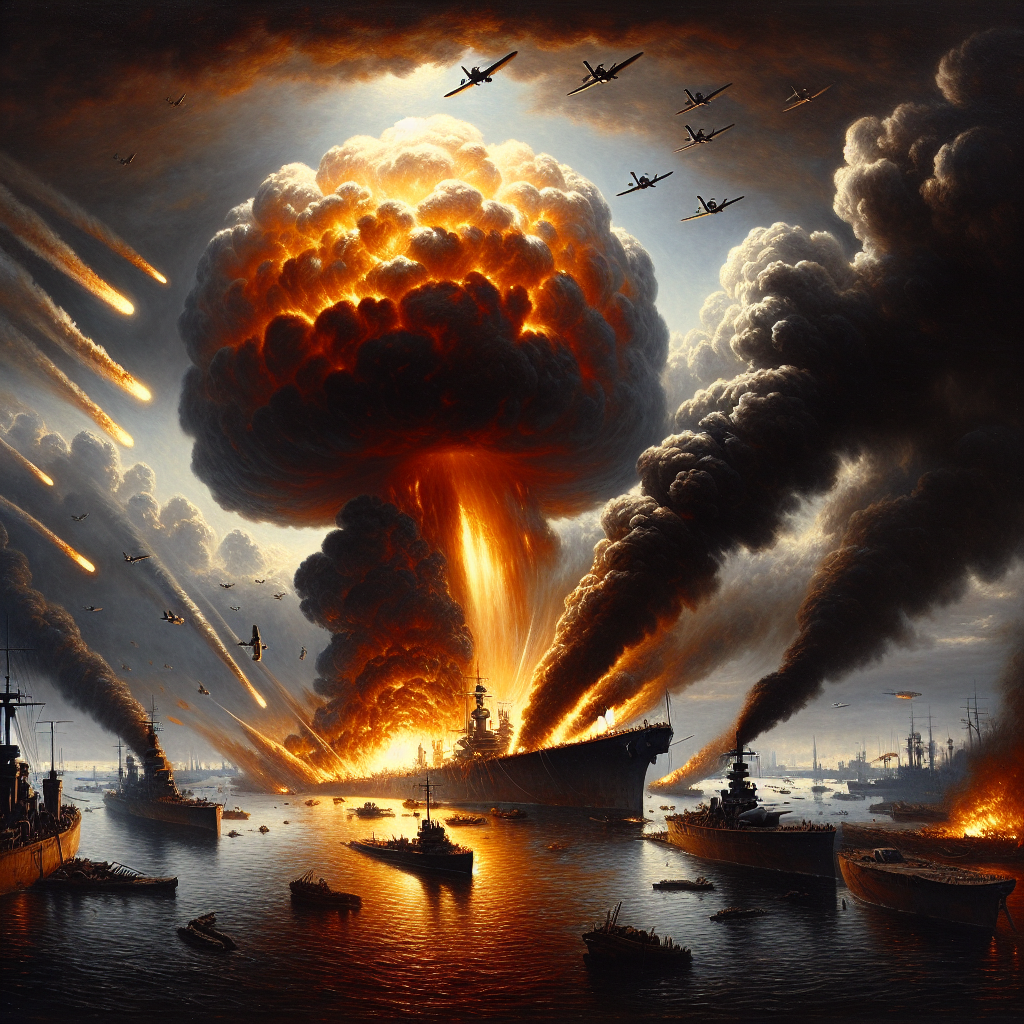
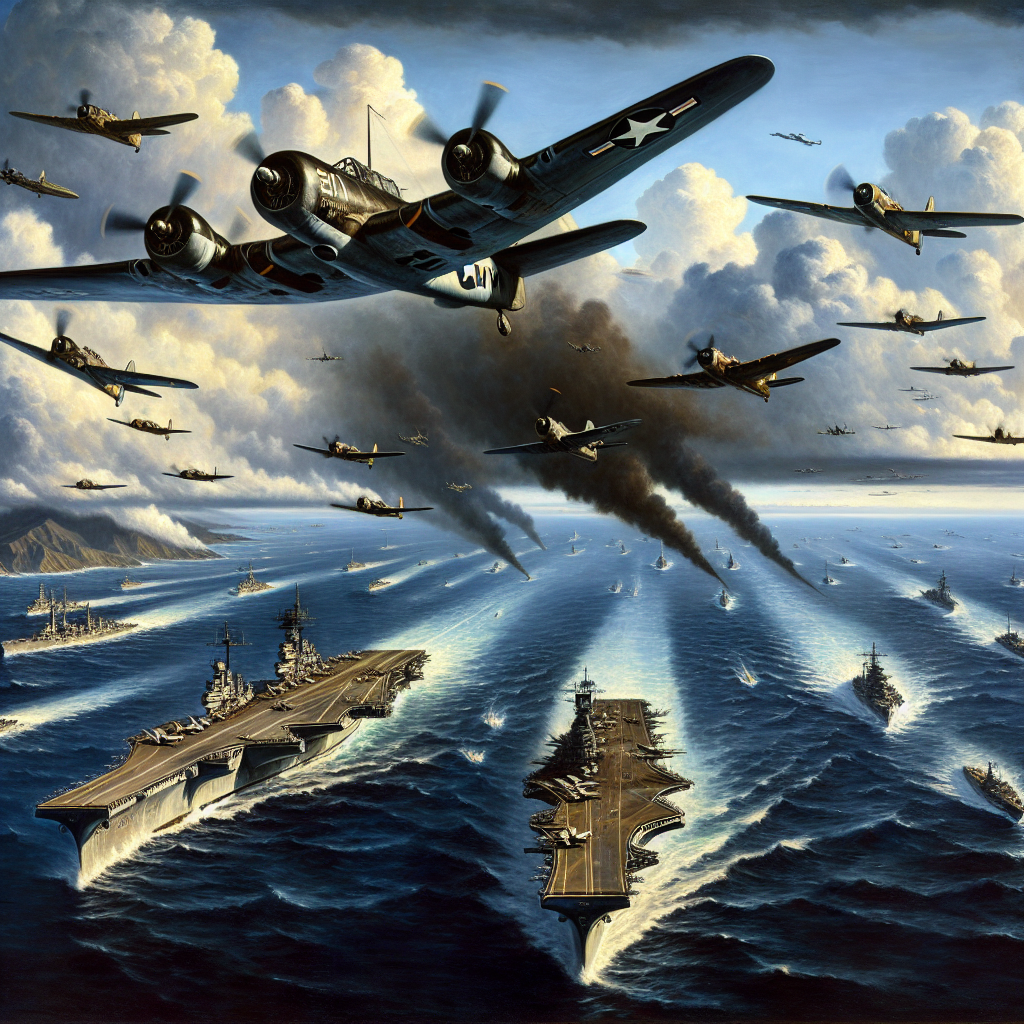
The Navy grew with the nation's ambitions. Ironclads dueled in the Civil War, and at the turn of the century the strategist Alfred Thayer Mahan convinced a generation that sea power decided the fate of nations. Theodore Roosevelt sent the Great White Fleet around the world to prove America had arrived, and by the Second World War the Navy had built the two-ocean force that broke Japan at Midway and carried the war across the Pacific one island at a time.
The Cold War remade the fleet again. Nuclear-powered aircraft carriers projected American air power to any coast, while ballistic-missile submarines lurking beneath the sea became the most survivable leg of the nation's nuclear deterrent. The Navy's reach turned the world's oceans into avenues of American influence, a blue-water dominance no rival could match for the rest of the century.
Today the Navy remains the instrument through which the United States projects power far from its shores, built around carrier strike groups that function as mobile bases of sovereign territory. It trains its officers at the U.S. Naval Academy in Annapolis and shares a heritage of ships and battles that runs unbroken from the frigates of 1794 to the fleets of the present.
| Established | October 13, 1775; re-established 1794 |
| Domain | Sea warfare |
| Landmark ship | USS Constitution ("Old Ironsides") |
| WWII turning point | Battle of Midway, 1942 |
| Cold War role | Carriers and ballistic-missile submarines |
| Academy | U.S. Naval Academy, Annapolis |
| Date | Founded October 13, 1775 |
| Location | Washington, D.C. |