The League of Nations
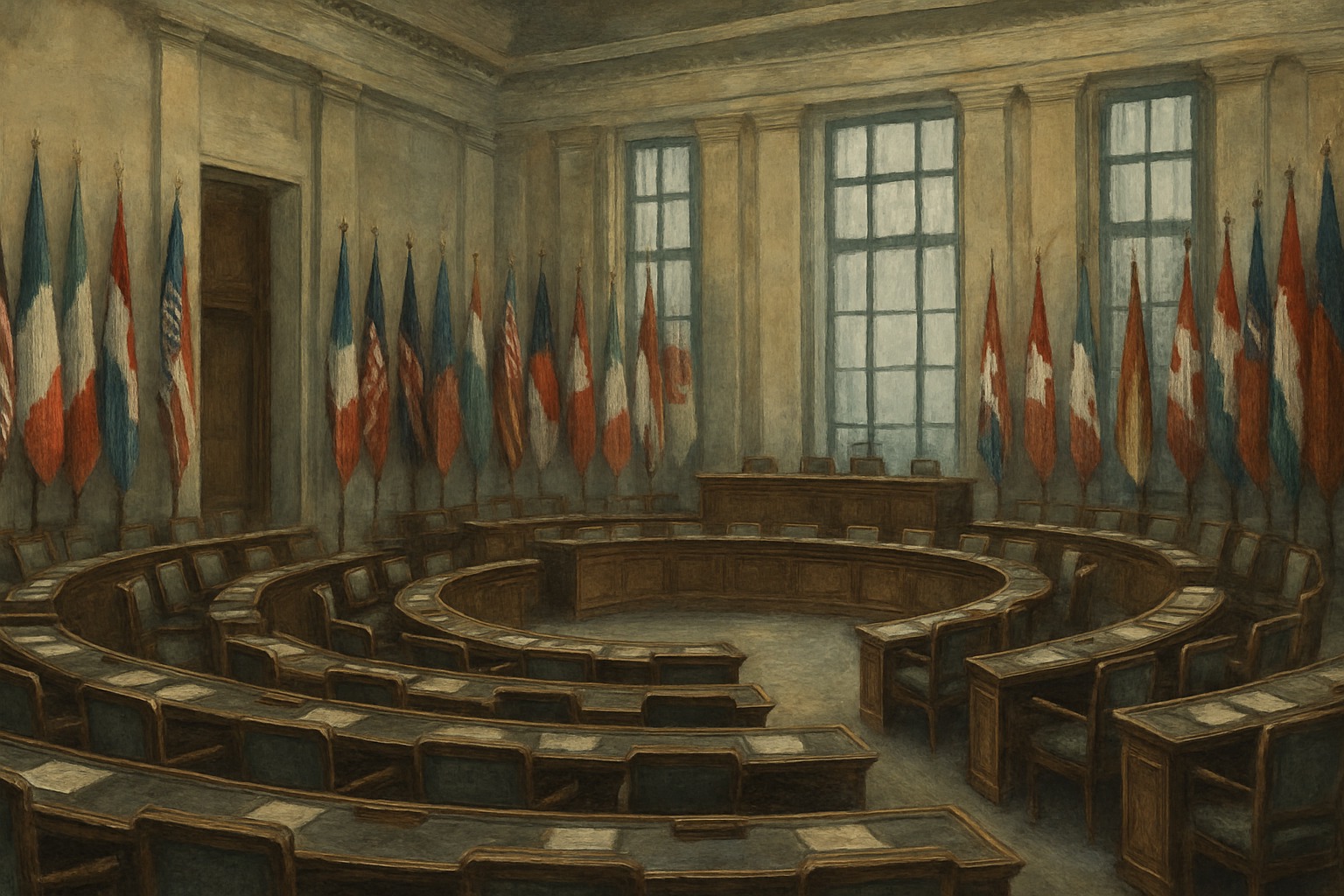
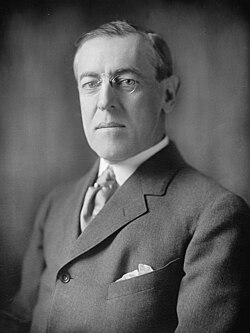
Out of the wreckage of the First World War came the first attempt to organize the whole world for peace. The League of Nations, founded in 1920 and seated in Geneva, grew from the vision of President Woodrow Wilson, whose Fourteen Points had promised a new diplomacy built on collective security — the idea that an attack on one member would be treated as a concern of all. It was the boldest experiment in international cooperation the world had yet seen, and its charter was written into the very treaty that ended the war.
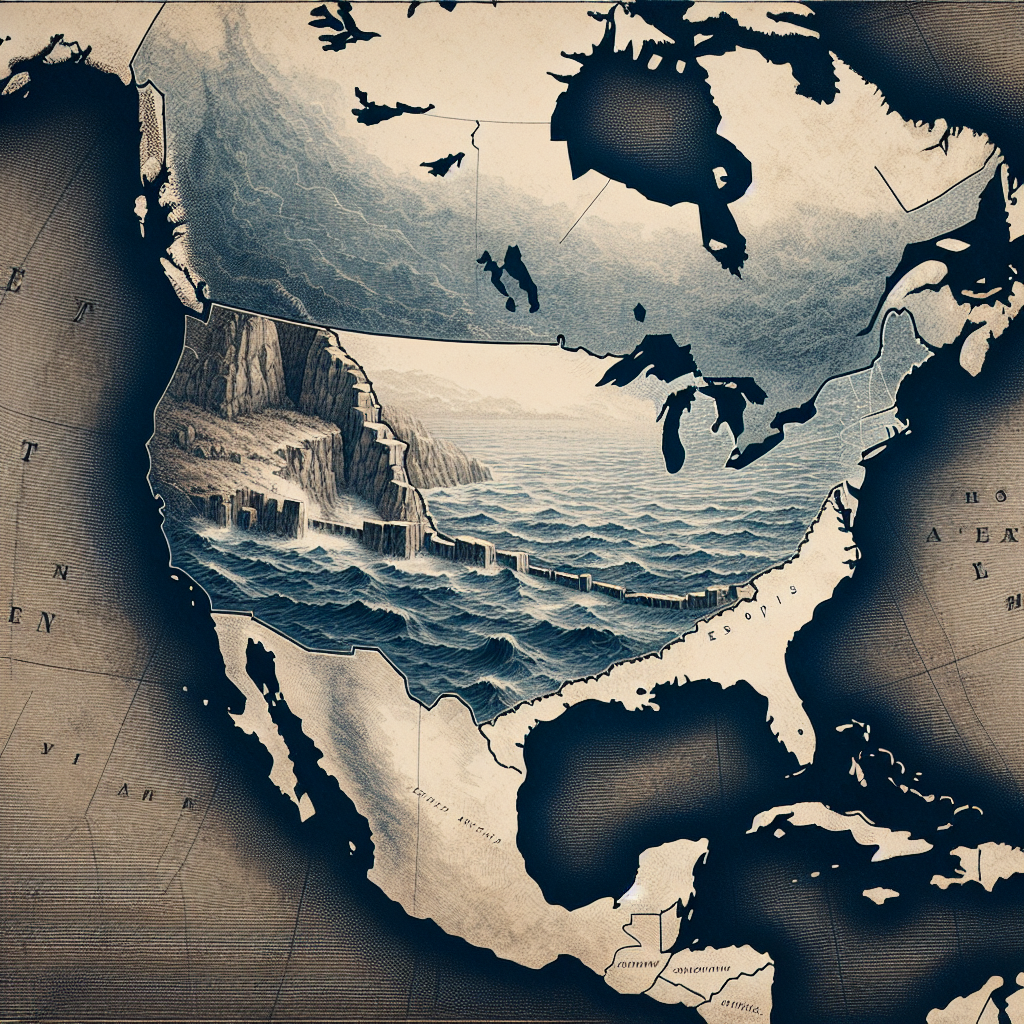
The great irony was that the country whose president had championed it never joined. When the Treaty of Versailles came before the U.S. Senate in 1919, Republican opponents led by Henry Cabot Lodge objected that League membership would drag America into foreign wars and surrender its sovereignty. Wilson, refusing to accept their reservations and felled by a stroke while campaigning for the treaty, would not compromise. The Senate rejected it, and the United States retreated into isolationism, leaving the League without the power its architect had intended.
Weakened from the start, the League managed some real successes in the 1920s, settling small border disputes and running humanitarian and health programs. But it had no army and no way to compel obedience, and in the 1930s it failed the tests that mattered. It could not stop Japan's conquest of Manchuria, Italy's invasion of Ethiopia, or German rearmament. Aggressor states simply walked out, and the League watched, powerless, as the world slid toward another war.
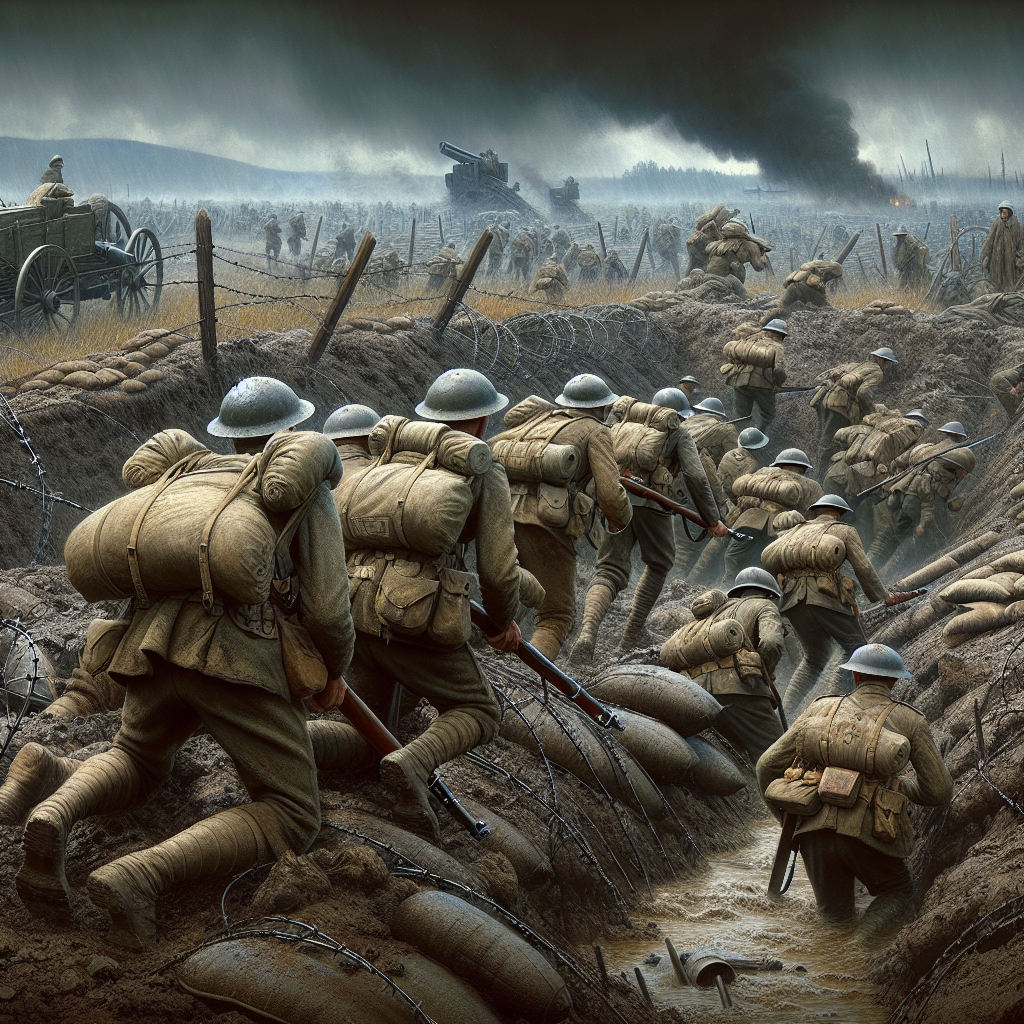
The League dissolved in 1946, its mission having collapsed into the Second World War it could not prevent. Yet it did not vanish so much as reincarnate. Its failures became the design brief for its successor: when the United Nations rose from the ashes of the war, its founders built in the enforcement powers, the great-power Security Council, and the American membership the League had lacked. The first attempt at collective security failed, but it taught the second how to survive.

| Founded | 1920 |
| Headquarters | Geneva, Switzerland |
| Proposed by | President Woodrow Wilson |
| U.S. membership | Rejected by the Senate, 1919–1920 |
| Core idea | Collective security |
| Failed to stop | Japanese, Italian, and German aggression, 1930s |
| Dissolved | 1946 — succeeded by the United Nations |
| Date | 1920–1946 |
| Location | Geneva, Switzerland |