Korean War
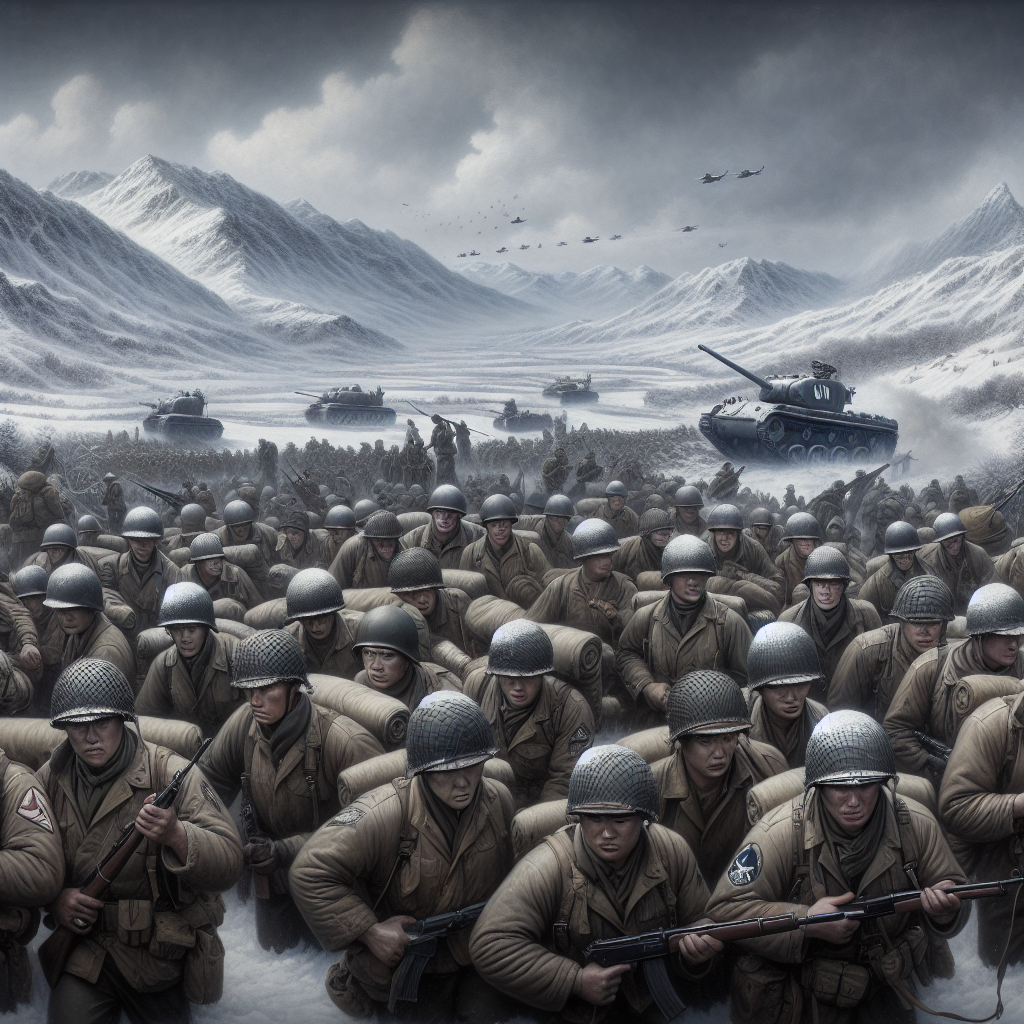
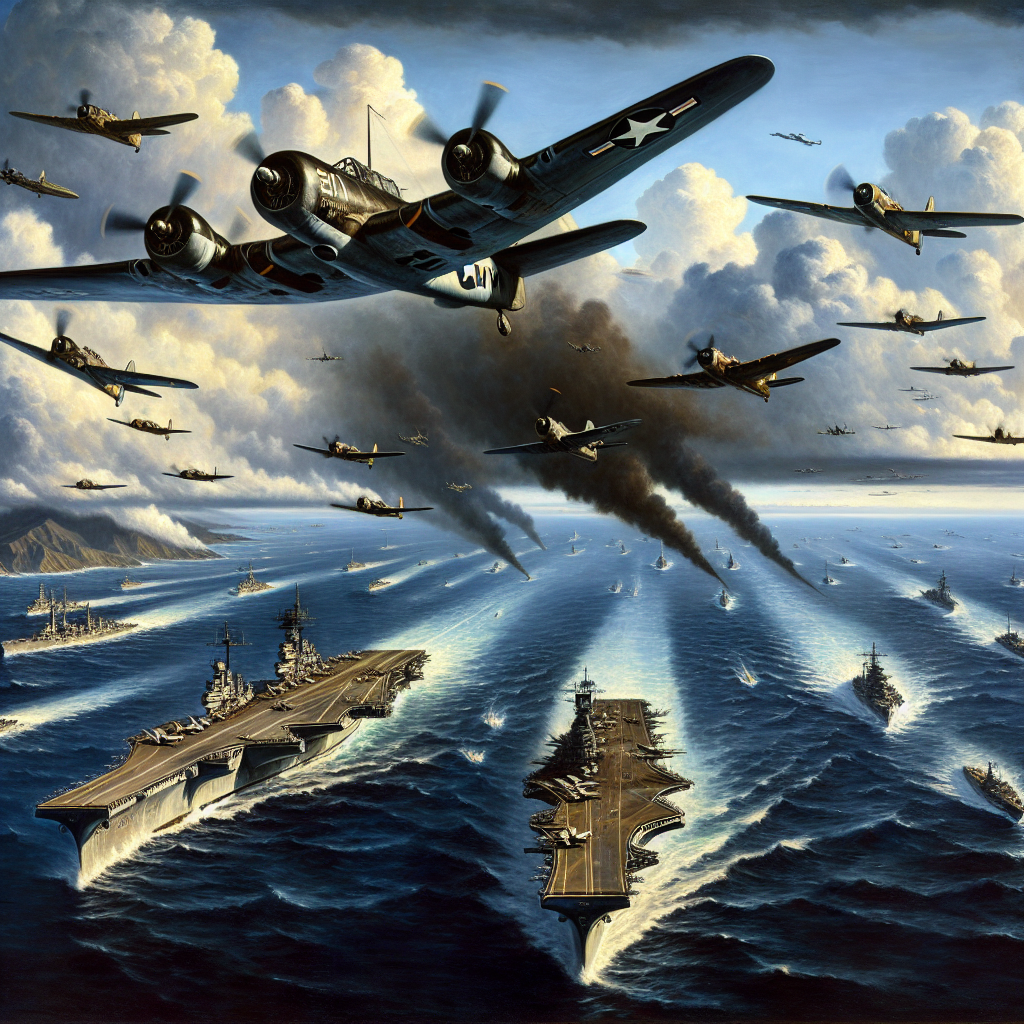
The Korean War began on June 25, 1950, when North Korean forces crossed the 38th parallel and drove south with Soviet-supplied tanks, nearly pushing United Nations forces into the sea before an audacious amphibious landing at Inchon in September reversed the momentum. It ended — or rather stopped, without a peace treaty — on July 27, 1953, with an armistice that left the peninsula divided almost exactly where it had been at the outset. In between, approximately 36,000 Americans died, along with an estimated three million Koreans and Chinese. The war that began as an emergency became a template: the first conflict in which the United States deliberately limited its military objectives to avoid triggering a wider war with a nuclear-armed adversary.
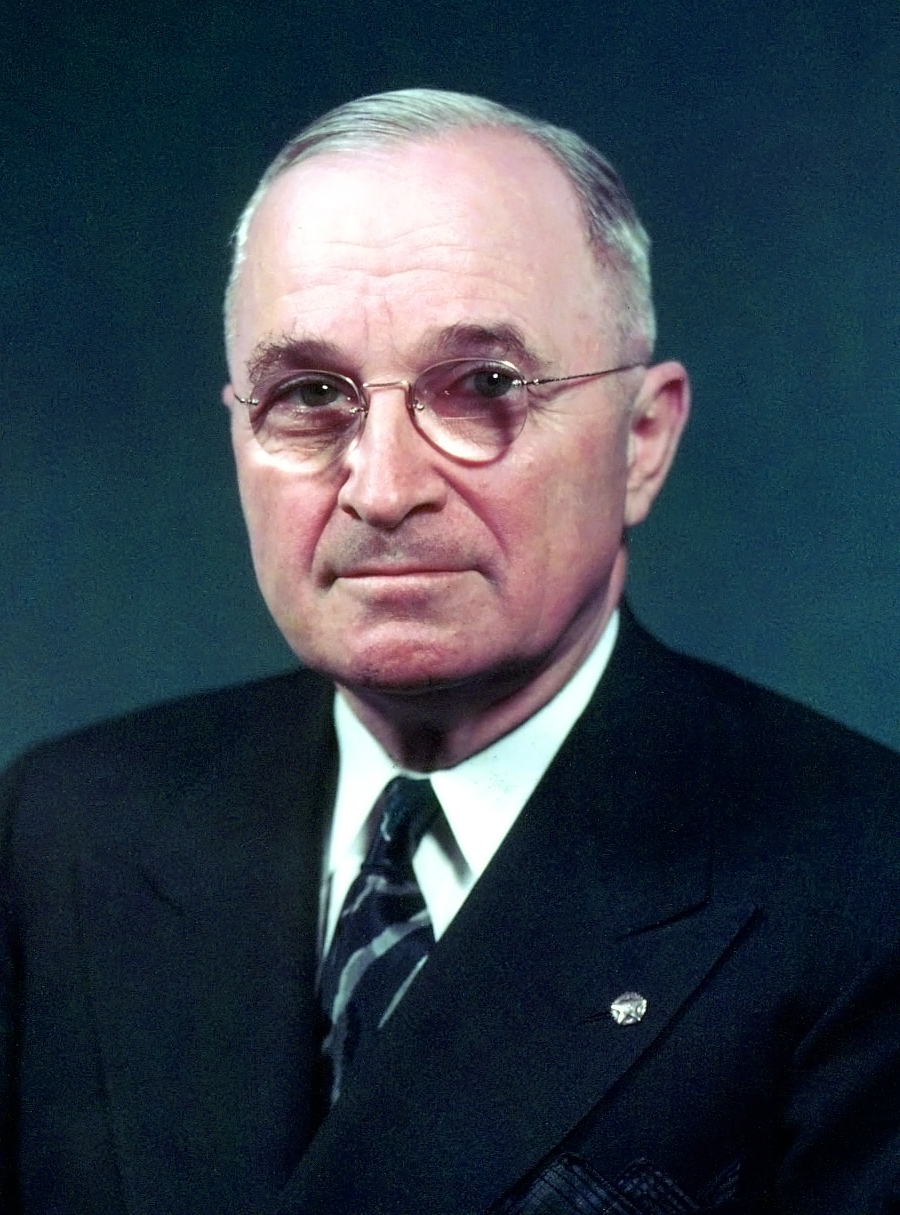
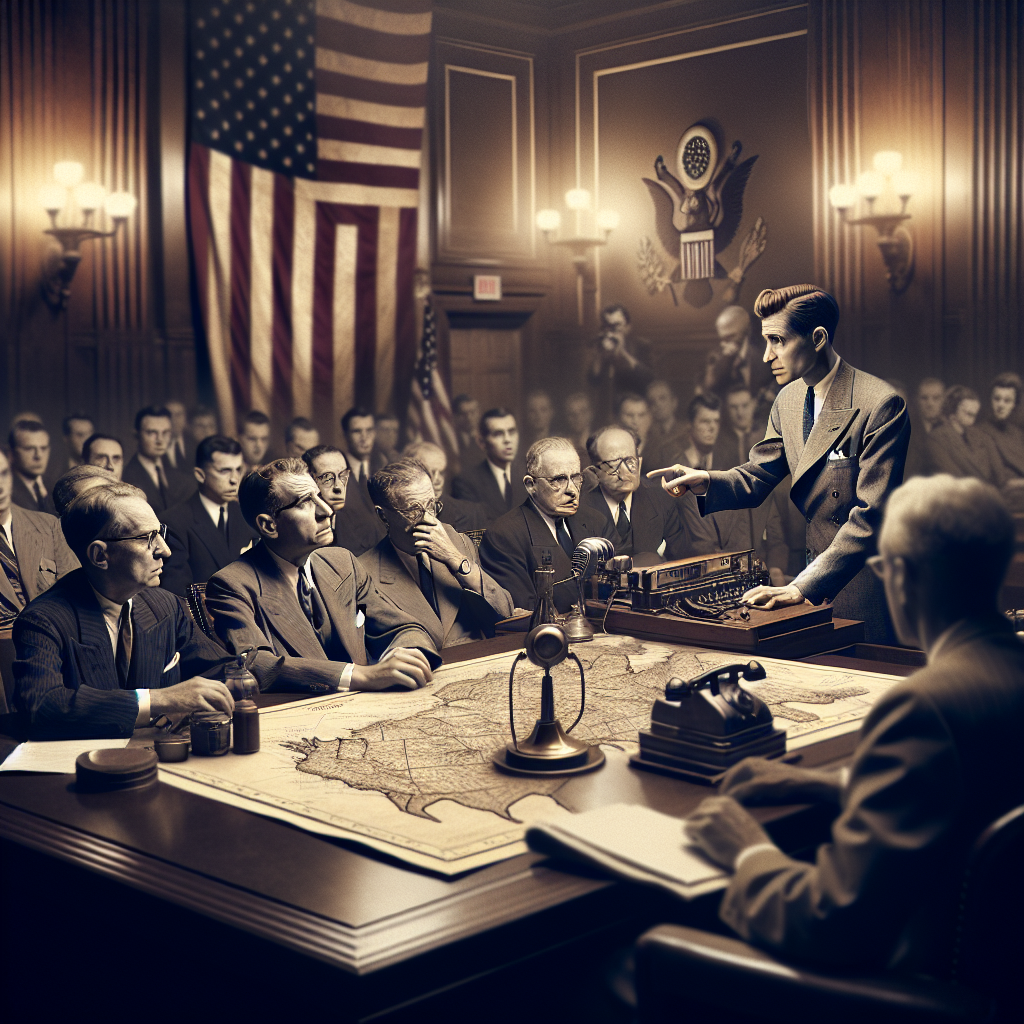
General Douglas MacArthur, the most decorated American officer of World War II, commanded UN forces in Korea until he made the catastrophic error of publicly disagreeing with President Truman's strategy and appealing directly to congressional Republicans. Truman fired him in April 1951 — a decision that cost Truman enormously in public approval but established the crucial precedent of civilian control over military command that the Constitution required and that MacArthur had openly flouted. MacArthur returned home to a ticker-tape parade and congressional testimony; Truman left office with the lowest approval rating of any president in the polling era to that point. History has largely reversed that verdict.
Korea is called the Forgotten War partly because it was sandwiched between the cultural enormity of World War II and the political catastrophe of Vietnam, and partly because it ended without the clarity of either victory or defeat. The armistice line became the most heavily militarized border on earth, where it remains today, with roughly 28,500 American troops still stationed in South Korea more than seven decades after the shooting stopped. The war also completed the desegregation of the American military, which Truman had ordered by executive decree in 1948 — Korean combat was the first in which Black and white American soldiers fought consistently in integrated units, a transformation that the war's obscurity has largely kept out of the history Americans tell themselves.
| Dates | June 25, 1950 – July 27, 1953 (armistice) |
| U.S. deaths | ~36,000 |
| Total deaths | ~3 million (Korean and Chinese) |
| UN commander | Gen. MacArthur (to April 1951); Gen. Ridgway |
| Inchon landing | September 15, 1950 |
| MacArthur fired | April 11, 1951 |
| Armistice | July 27, 1953 — no peace treaty signed |
| U.S. troops today | ~28,500 (still stationed in South Korea) |
| Date | June 25, 1950 – July 27, 1953 |
| Location | Korean Peninsula |