The New York Public Library
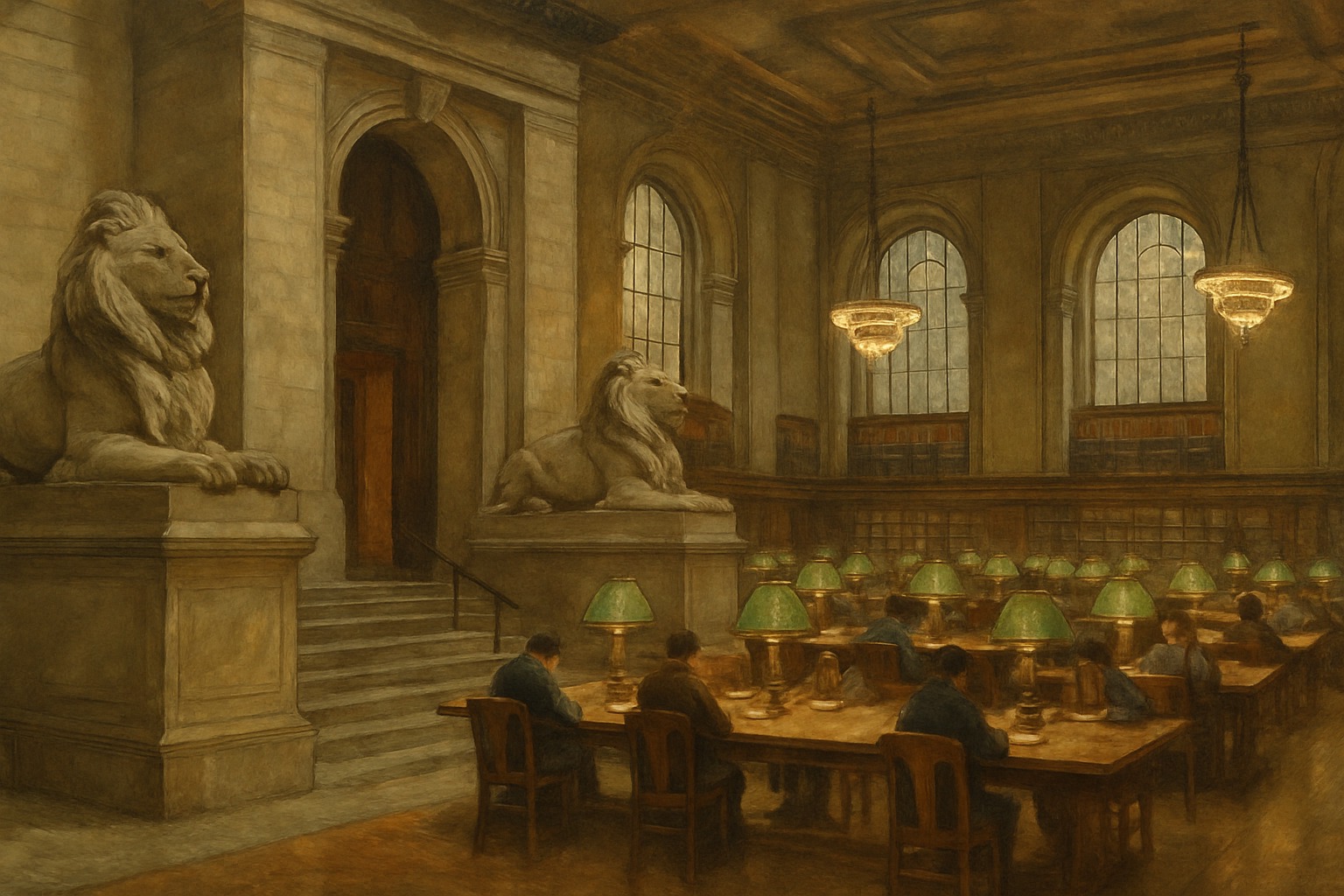
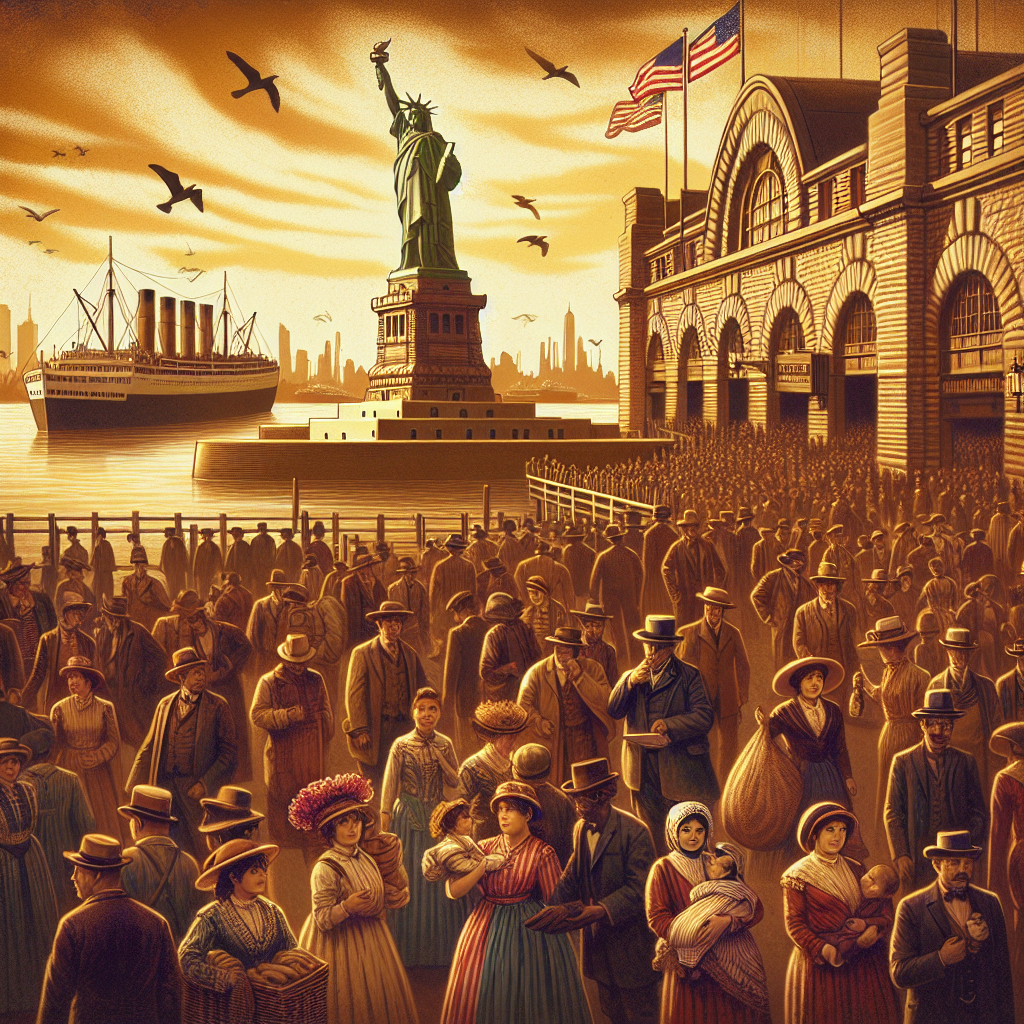
The New York Public Library was created in 1895 by merging two private libraries, the Astor and the Lenox, with a trust left by the former governor Samuel Tilden, uniting them into a great free library for the people of the city. In an age of mass immigration and crowded tenements, it opened the world of books and knowledge to anyone who walked through its doors, at no charge, regardless of station.
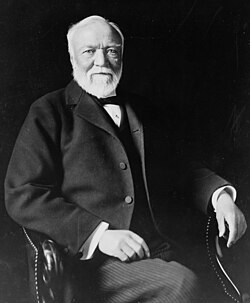
Its central research building, a marble Beaux-Arts palace that opened on Fifth Avenue in 1911, became one of the most beloved public buildings in America, its entrance guarded by two stone lions later named Patience and Fortitude. Inside, a vast reading room and deep research collections served scholars, while the fortune of Andrew Carnegie funded a spreading network of neighborhood branch libraries that put a library within reach of nearly every New Yorker.
The library became an engine of self-education and upward mobility, especially for the immigrants and working people who crowded its reading rooms to learn English, study for citizenship, or simply read. It grew into one of the largest libraries in the world, holding tens of millions of items across its research collections and dozens of branches.
The New York Public Library embodied the democratic ideal of the free public library — the belief that knowledge should belong to everyone, not only those who could afford it. Its lions, its reading room, and its branches made it a symbol of the American faith that access to books and learning is a public good and a ladder of opportunity.

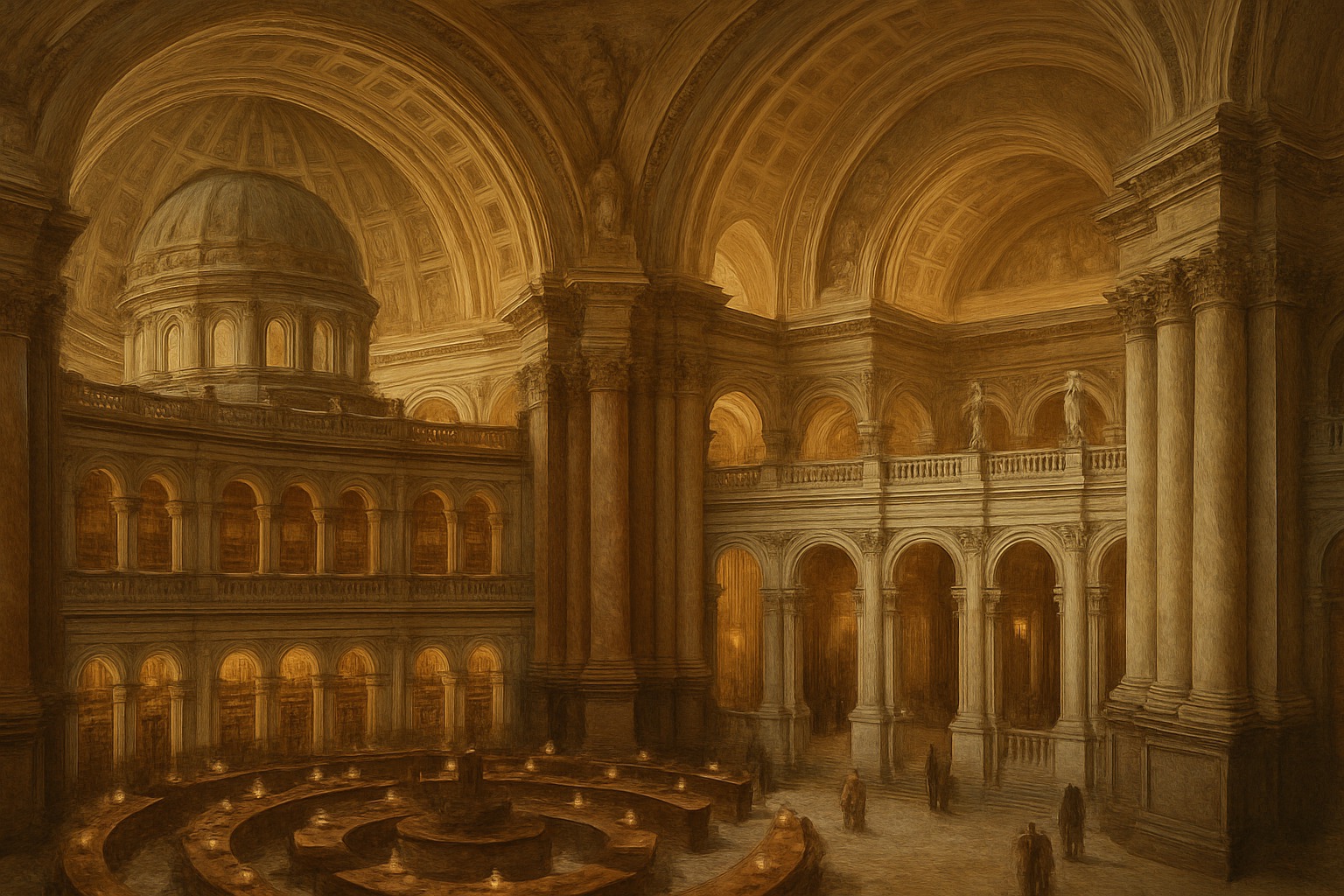
| Founded | 1895, New York City |
| Formed from | The Astor and Lenox libraries + Tilden trust |
| Branches | Endowed by Andrew Carnegie |
| Landmark | The 1911 main building and its stone lions |
| Note | Among the world's largest libraries |
| Date | Founded 1895 |
| Location | New York City |