The Sierra Club
John Muir's wilderness guardians and the birth of the conservation lobby, 1892
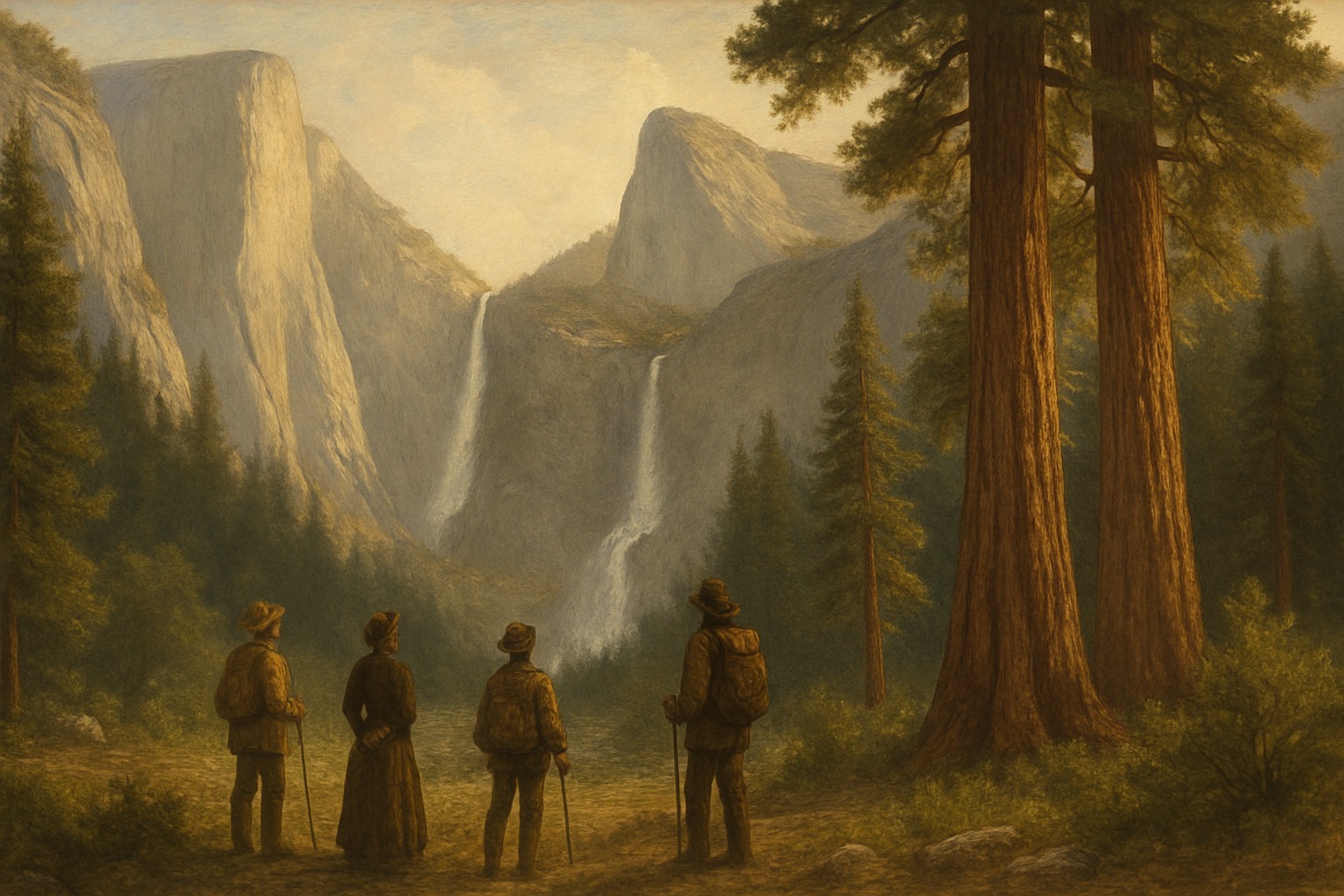
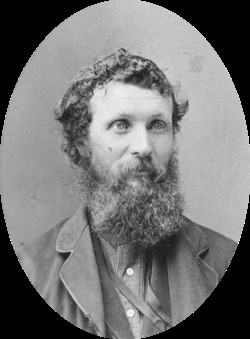
The naturalist John Muir had spent years urging Americans to protect the wild places of the West when, in 1892, he and a group of California allies founded the Sierra Club to do it in an organized way. Muir became its first president and held the post until his death, and under him the club set out to explore, enjoy, and defend the Sierra Nevada and the wider American wilderness — the first enduring institution of the conservation movement.
Its founding fight was also its first heartbreak. Muir threw the club into a long battle to stop San Francisco from damming the Hetch Hetchy Valley inside Yosemite National Park, a place he considered the equal of Yosemite Valley itself. The club lost when Congress approved the dam in 1913, but the wrenching national debate it provoked helped fix the idea of wilderness preservation in the American mind and fed the movement that created the National Park Service three years later.
The Sierra Club grew from a regional hiking society into a national political force. In the mid-twentieth century, under the combative leadership of David Brower, it blocked proposed dams in the Grand Canyon, helped win passage of the Wilderness Act, and pioneered the modern environmental campaign of lobbying, litigation, and advertising. It became the model for the advocacy groups that would drive environmental politics for the rest of the century.
Today the Sierra Club is one of the largest and most influential environmental organizations in the country, its focus widened from wilderness to clean energy, pollution, and climate change. Like its founder, it has never been without controversy, and in recent years it has reckoned publicly with troubling views held by Muir himself. Still it endures as the institutional embodiment of the conviction he did so much to spread — that wild nature is worth defending for its own sake.


Related entries

Across the Brief network
People in this entry, on BriefPeople