Explorers of North America: Who They Were and What They Found
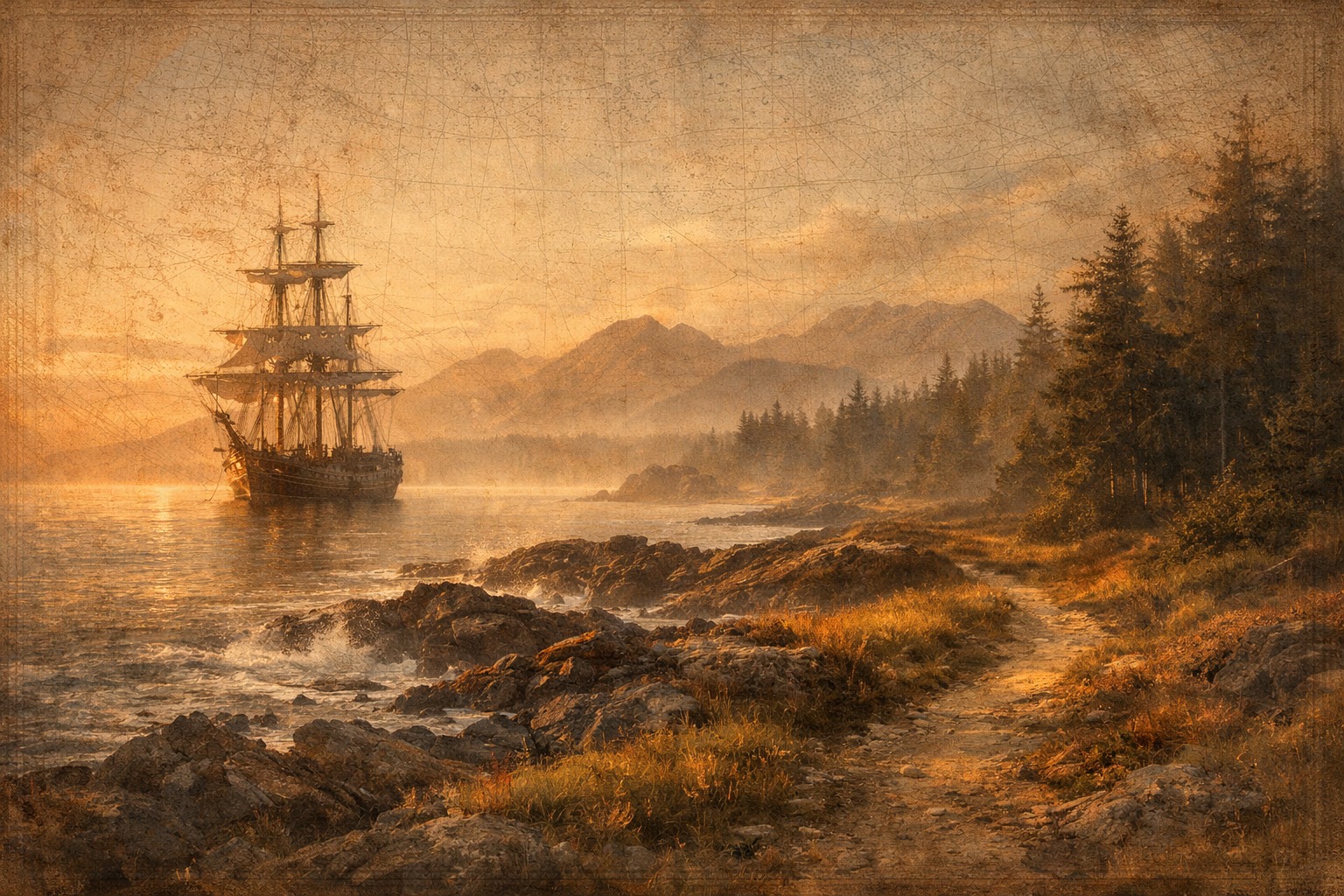
Sixteen explorers, spread across nearly four centuries, drew the American map one expedition at a time. The earliest of them worked for European crowns that saw North America as something to claim rather than something to understand: Christopher Columbus crossed the Atlantic in 1492 looking for Asia, Juan Ponce de León searched Florida's coast for land to govern, and Francisco Vásquez de Coronado marched 1,000 miles into the Southwest chasing cities of gold that did not exist. None of them found what they were looking for. What they found instead — a continent already dense with sovereign nations, cities, and trade networks — became the raw material for everything that followed.
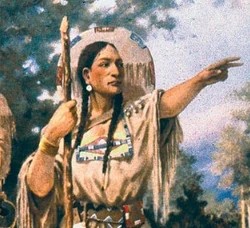
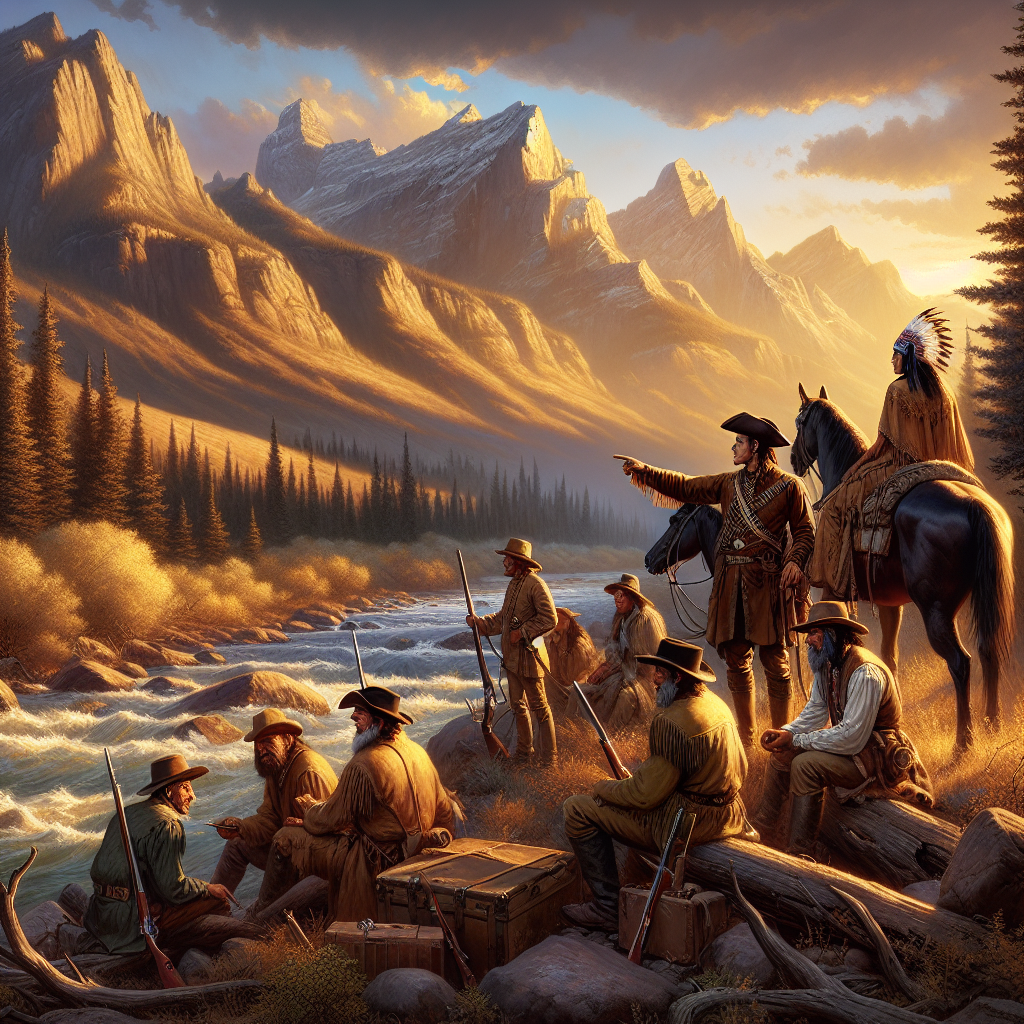
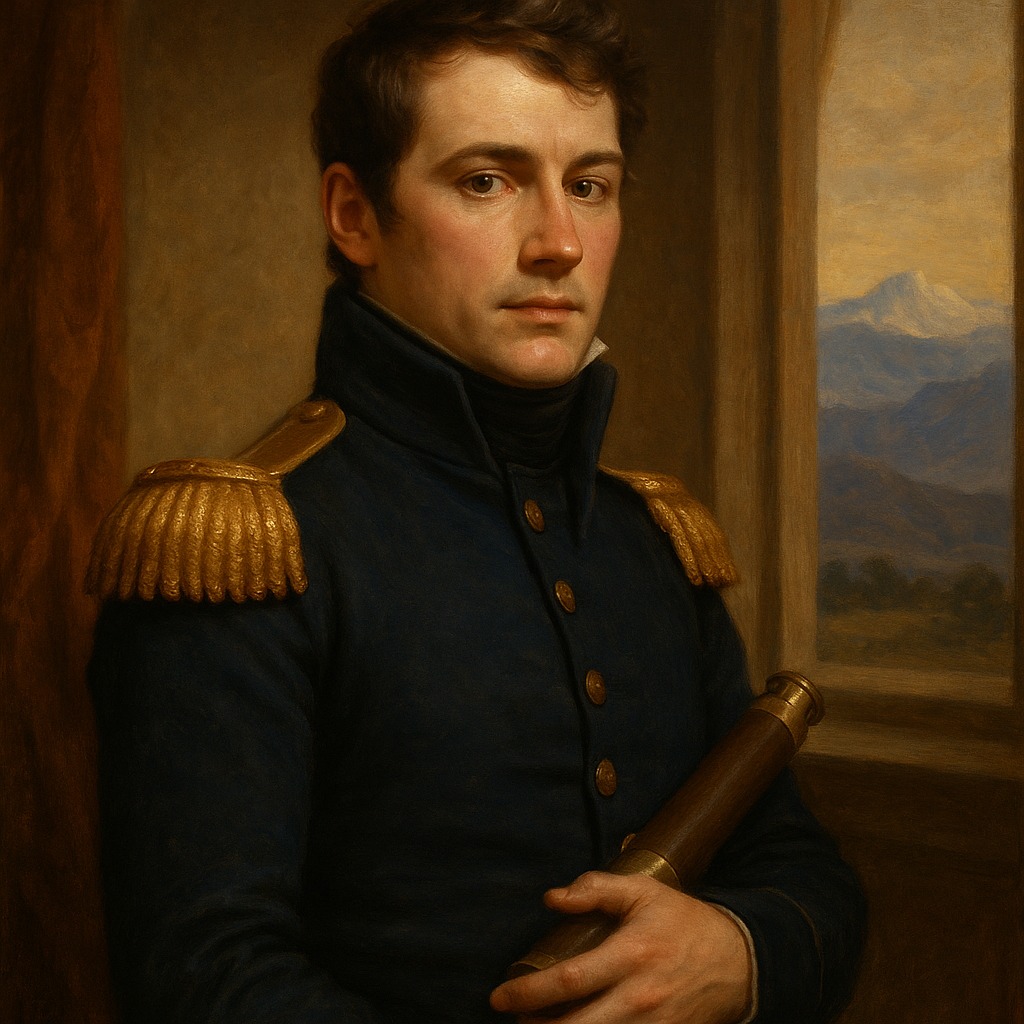
By the time John Smith's colonists dug in at Jamestown in 1607 and Daniel Boone blazed the Wilderness Road into Kentucky in 1775, exploration had become less about claiming new land for a European throne and more about opening it to settlers who would not go home. The scouts President Thomas Jefferson sent west after the Louisiana Purchase — Meriwether Lewis, William Clark, the Shoshone guide Sacagawea, and, on a separate mission into the southern Purchase, Zebulon Pike — depended at every turn on Native knowledge of rivers, passes, and food sources that no American had ever mapped. That dependence rarely bought the nations who provided it any lasting security; the roads these expeditions opened became the roads that dispossessed them.
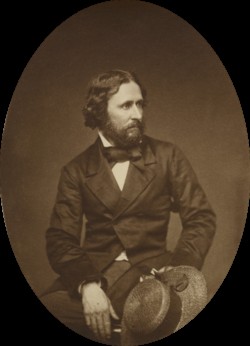
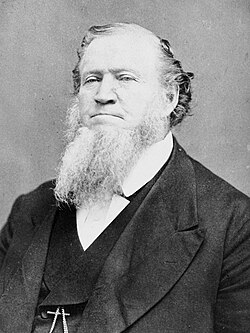
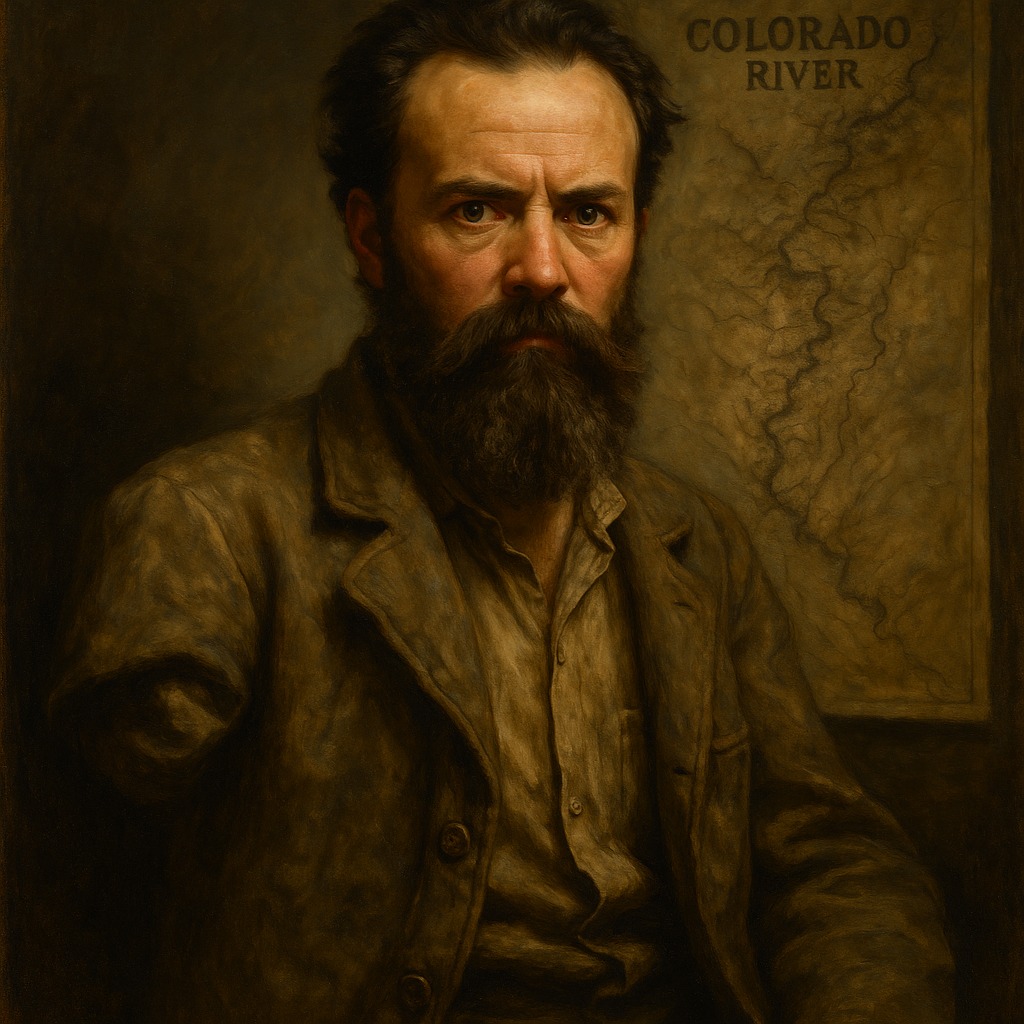
The final generation here were not explorers in the old sense at all. Jedediah Smith and Kit Carson trapped beaver and guided wagon trains across terrain earlier expeditions had only sketched; John C. Frémont turned their fieldwork into maps that drew settlers by the thousands; Brigham Young led a religious exodus along a route Frémont had charted; and John Wesley Powell, running the Colorado River through the Grand Canyon in 1869, closed out the era by surveying what was left of the unmapped country for a government that already controlled it. Read in order, their stories trace the narrow margin between discovery and conquest that the word "exploration" has always quietly covered.
Several of these expeditions fed directly into the era this guide only begins: continue with Westward Expansion: Explorers, Events, and Turning Points for the fuller sweep of settlement these routes enabled, or follow the road itself in Trace the Oregon Trail Today, which retraces the trail that Frémont's maps and Smith's and Carson's scouting helped open.