U.S.–China Relations
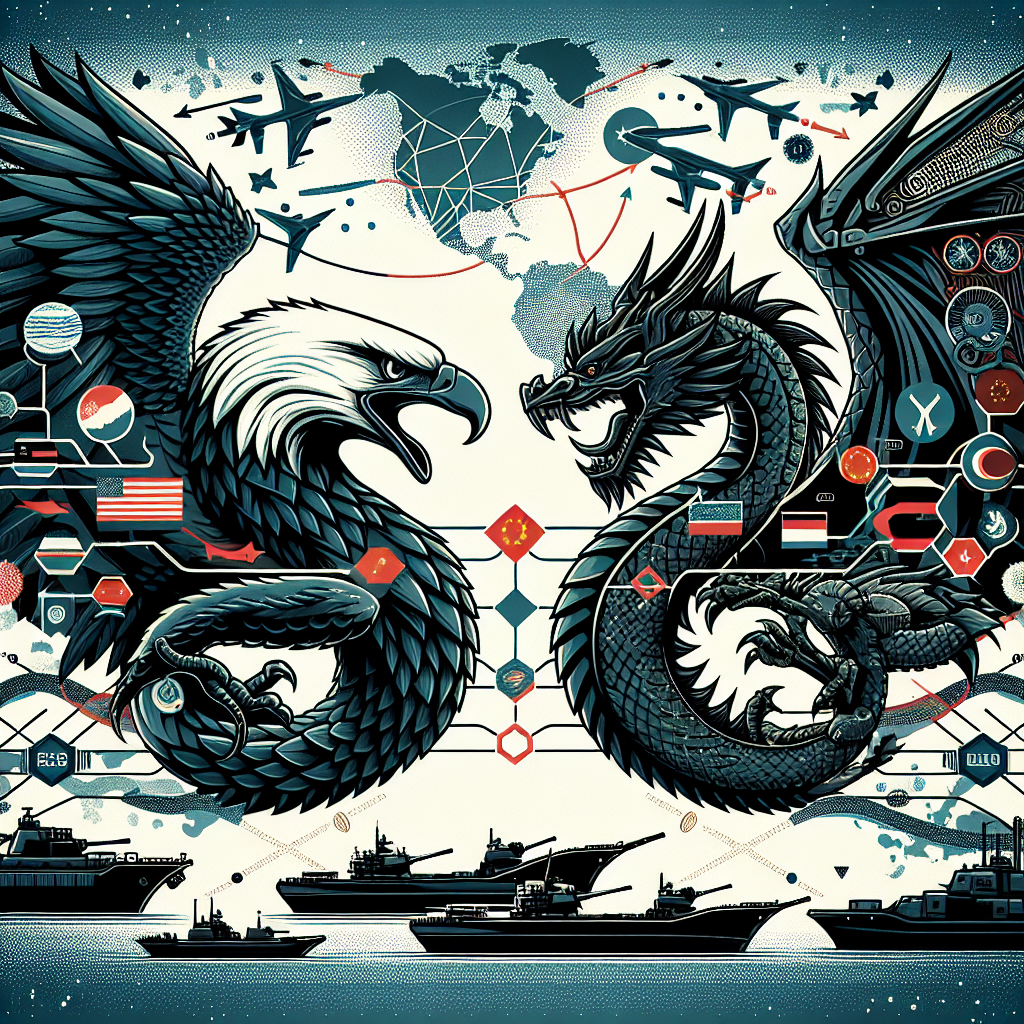
For most of the 19th century, American engagement with China was commercial and evangelical — merchants seeking markets, missionaries seeking converts, diplomats promoting an "Open Door" policy that asked European powers to keep Chinese markets equally accessible to all. That relationship was transformed in 1949, when Mao Zedong's Communist forces won the Chinese civil war and drove the Nationalist government to Taiwan. "Who lost China?" became one of the most toxic questions in American politics, fueling McCarthyism at home and freezing U.S.-China relations in mutual hostility for more than two decades.
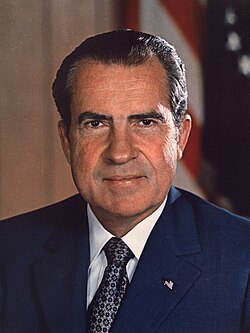
Richard Nixon's February 1972 visit to Beijing — preceded by Henry Kissinger's secret diplomatic mission — was among the most dramatic reversals in 20th-century American foreign policy. By engaging China to counterbalance Soviet power, Nixon transformed the strategic geometry of the Cold War. The economic opening that followed Deng Xiaoping's reforms after 1978, amplified by U.S. trade and investment and China's 2001 entry into the World Trade Organization, produced decades of engagement built on the theory that commercial integration would gradually moderate China's political system. That theory was eventually declared, by voices across the political spectrum, to have failed.
The relationship deteriorated sharply through the 2010s and 2020s as China's military modernization, territorial claims in the South China Sea, and trade practices produced bipartisan alarm in Washington. Trump's trade war — tariffs on more than $250 billion in Chinese goods beginning in 2018 — reflected a consensus that had been building for years across both parties. The COVID-19 pandemic, disputes over Taiwan's status, Chinese support for Russia after its 2022 invasion of Ukraine, and competition in advanced semiconductors and artificial intelligence elevated the U.S.-China relationship to the central strategic rivalry of the era. The debate in both capitals was no longer whether competition had replaced engagement, but whether it could be managed without becoming a conflict.

| Open Door Policy | Articulated by Secretary of State John Hay, 1899 |
| PRC Established | October 1, 1949 — Mao Zedong proclaims People's Republic of China |
| Nixon Opening | February 1972 — Nixon visits Beijing; Shanghai Communiqué signed |
| WTO Accession | China joins World Trade Organization, December 2001 |
| Trade War | 2018 — Trump imposes tariffs on $250B+ in Chinese goods; Biden maintained most |
| Taiwan | U.S. maintains "strategic ambiguity" over Taiwan's defense |
| Current Status | Defined as primary U.S. strategic competitor across bipartisan consensus |
| Years | 1844 |
| Location | Washington, D.C. / Beijing, China |