Ronald Reagan
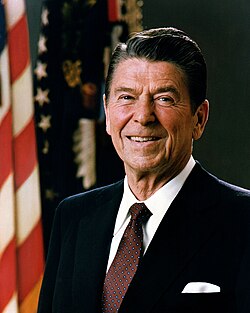
Ronald Reagan arrived at the White House in January 1981 as the oldest person ever elected president and immediately declared that government was not the solution to the nation's problems — it was the problem. A former Hollywood actor turned two-term California governor, he brought an ideological certainty and personal warmth to the Oval Office that reshaped the Republican Party, redrew the terms of debate over taxation and the role of government, and left a Cold War legacy that historians still contest.
Reagan's economic program — quickly labeled Reaganomics — slashed marginal income tax rates, reduced domestic spending, and dramatically increased defense expenditures. Inflation fell from double digits, the economy recovered from the brutal 1981–82 recession, and he won a 49-state landslide reelection in 1984. His foreign policy combined aggressive anti-Soviet rhetoric — he called the USSR an "evil empire" — with arms buildups, covert support for anti-communist insurgencies worldwide, and a strategic missile defense initiative that alarmed Moscow.
The Iran-Contra scandal — in which administration officials secretly sold weapons to Iran and diverted proceeds to Nicaraguan rebels in direct defiance of a congressional prohibition — damaged his second term without ending it. Reagan left office in January 1989 with approval ratings above 60 percent. The Soviet Union dissolved two years later, a collapse his supporters attribute substantially to his sustained pressure; critics argue the Soviet system was failing regardless.
Reagan disclosed his Alzheimer's diagnosis in a handwritten public letter in 1994 and died in June 2004. His optimism, his gift for direct communication with ordinary Americans, and his conviction that morning was always breaking in America made him one of the most consequential presidents of the 20th century. He remains the central reference point of modern American conservatism.
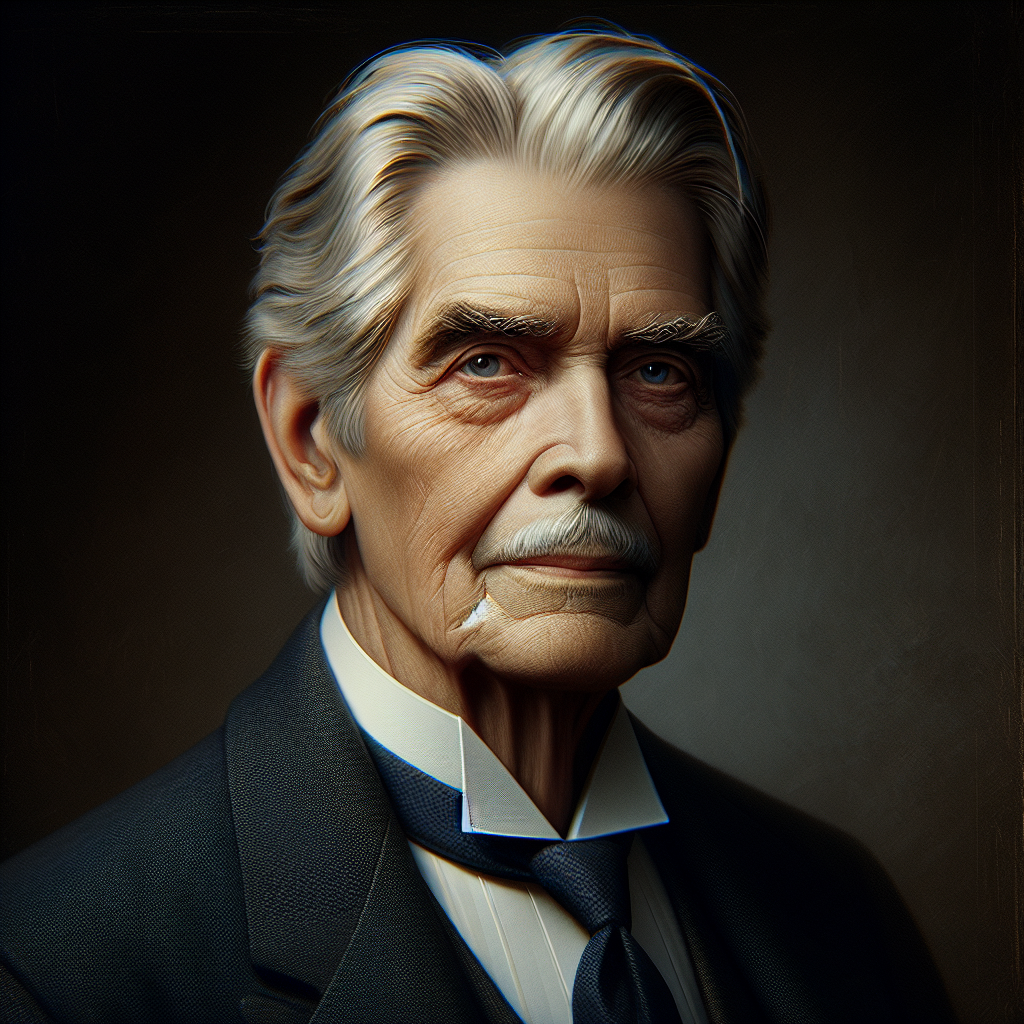
| Born | February 6, 1911 — Tampico, Illinois |
| Died | June 5, 2004 — Los Angeles, California |
| Party | Republican |
| Term | January 20, 1981 – January 20, 1989 |
| Vice President | George H.W. Bush |
| Preceded by | Jimmy Carter |
| Succeeded by | George H.W. Bush |
| Before politics | Film actor; Governor of California, 1967–1975 |
| Years | 1911–2004 |
| Location | Washington, D.C. |