The Space Race
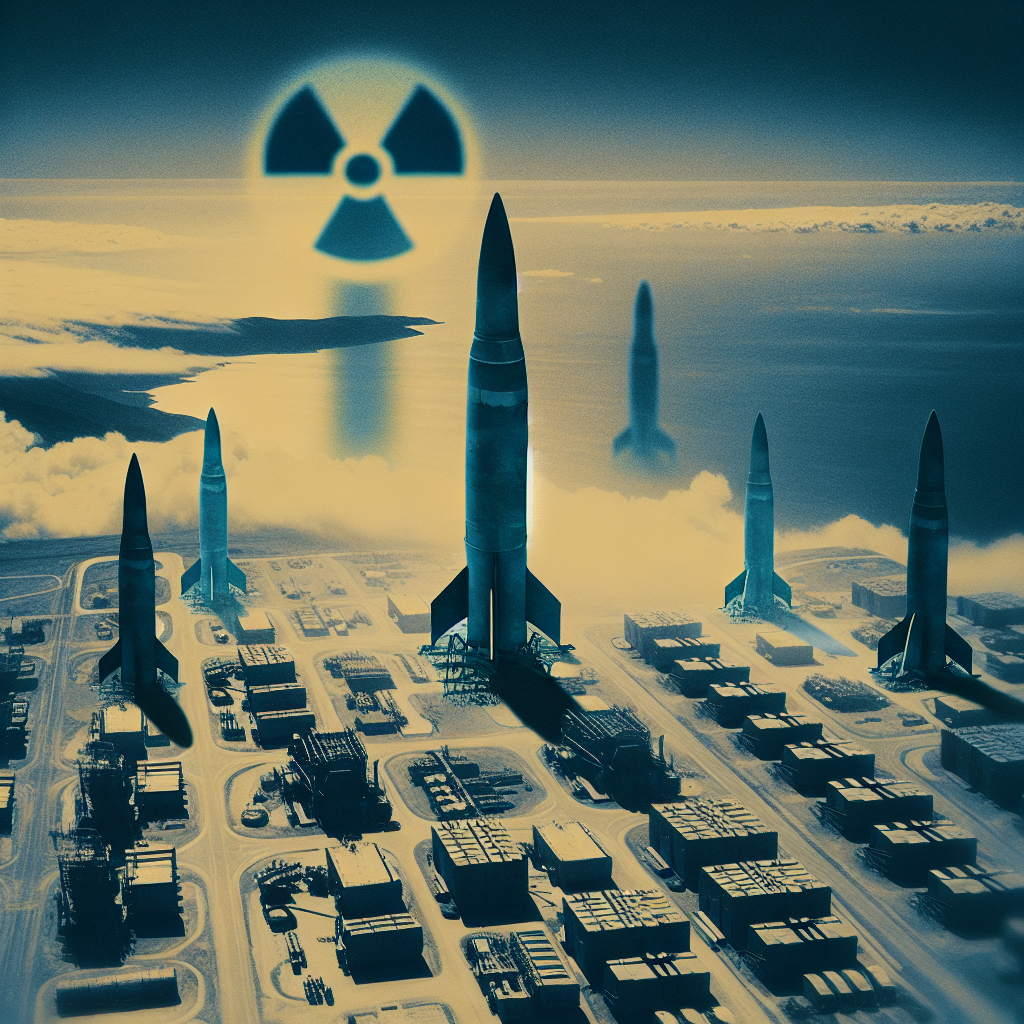
The Space Race began not with a launch but with a beep. On October 4, 1957, the Soviet Union placed Sputnik — a 184-pound aluminum sphere — into Earth orbit, and its radio signal pulsed over American skies every 96 minutes like a slow, deliberate taunt. If the Soviets could put a satellite in orbit, they could put a nuclear warhead anywhere on earth. The shock to American confidence was profound and immediate. Congress passed the National Defense Education Act within a year. NASA was created. And a country that had been content to let its scientists tinker in relative obscurity redirected vast federal resources toward the single goal of beating the Soviet Union into space, to the moon, and beyond.
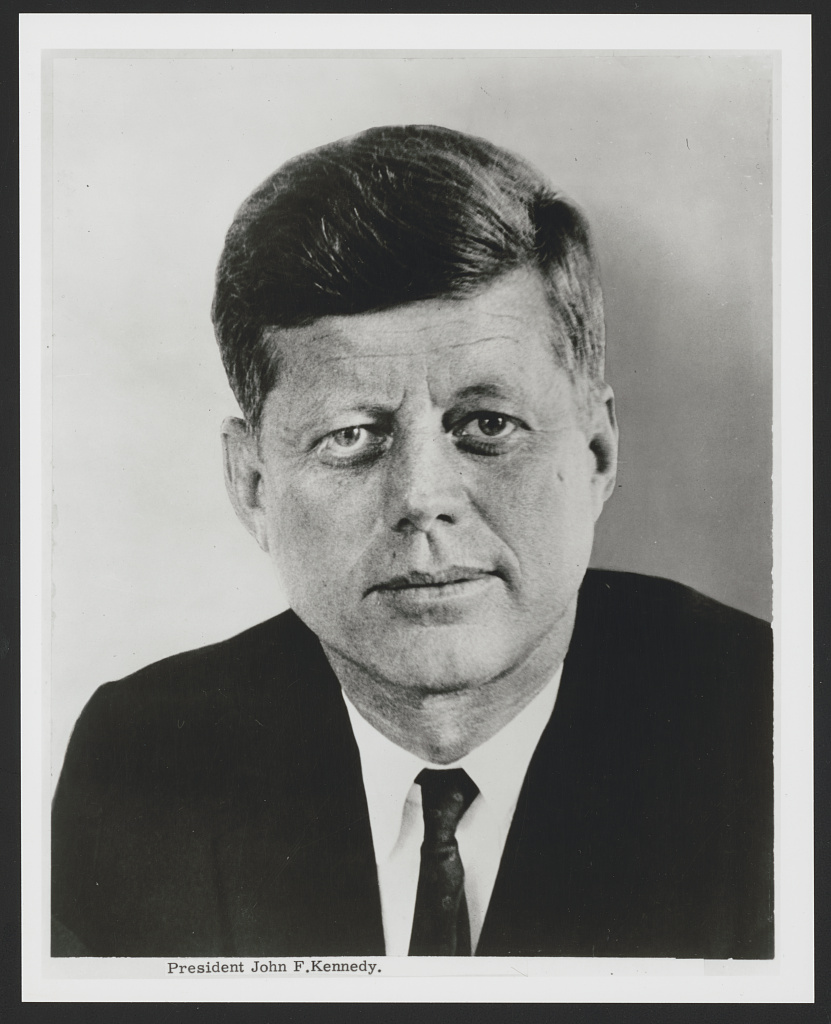
The Soviets won the early races decisively. Yuri Gagarin became the first human in space on April 12, 1961; Alan Shepard followed 23 days later on a brief suborbital flight. President Kennedy, stung by the Bay of Pigs disaster and looking for a way to demonstrate American capability, made a calculated bet in May 1961: he committed the United States to landing a man on the moon before the decade was out, at a time when the country's total spaceflight experience was 15 minutes. The Apollo program that followed consumed 4 percent of the federal budget at its peak and employed 400,000 people.
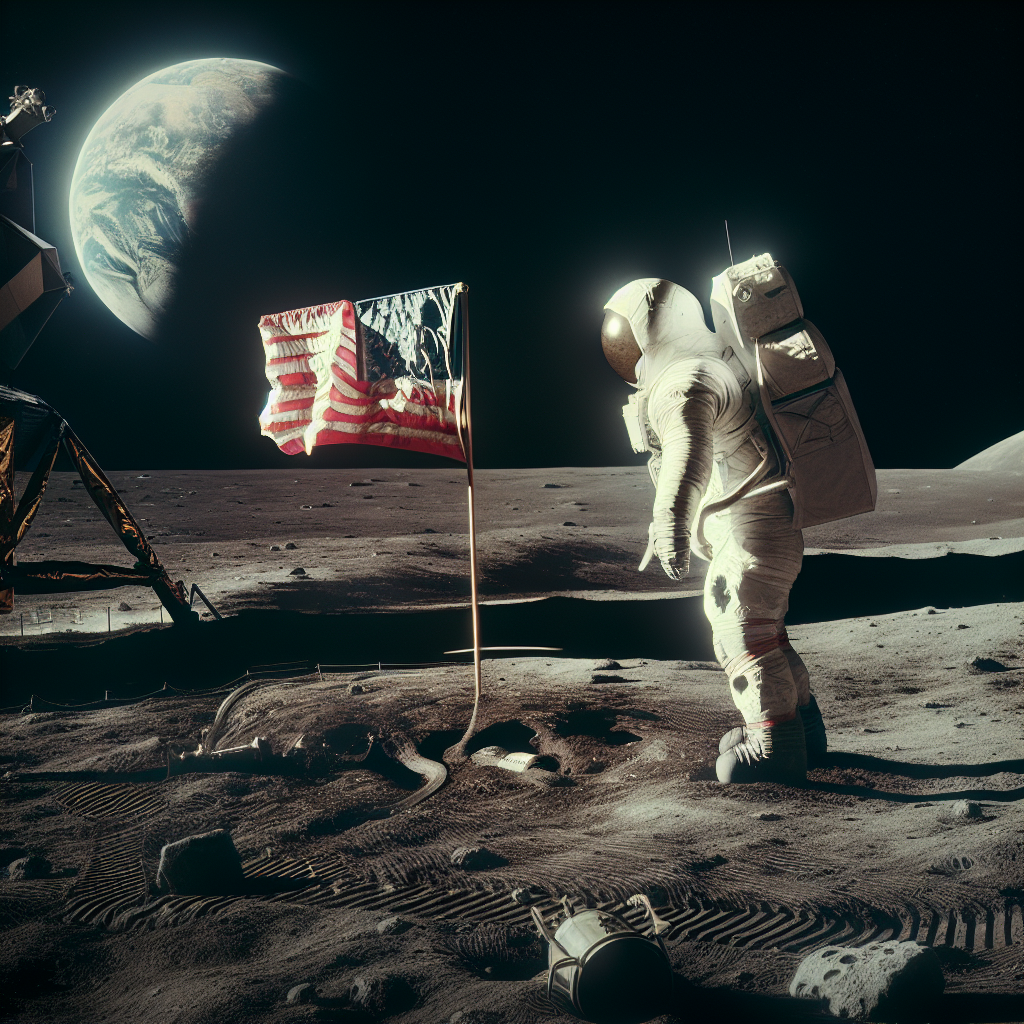
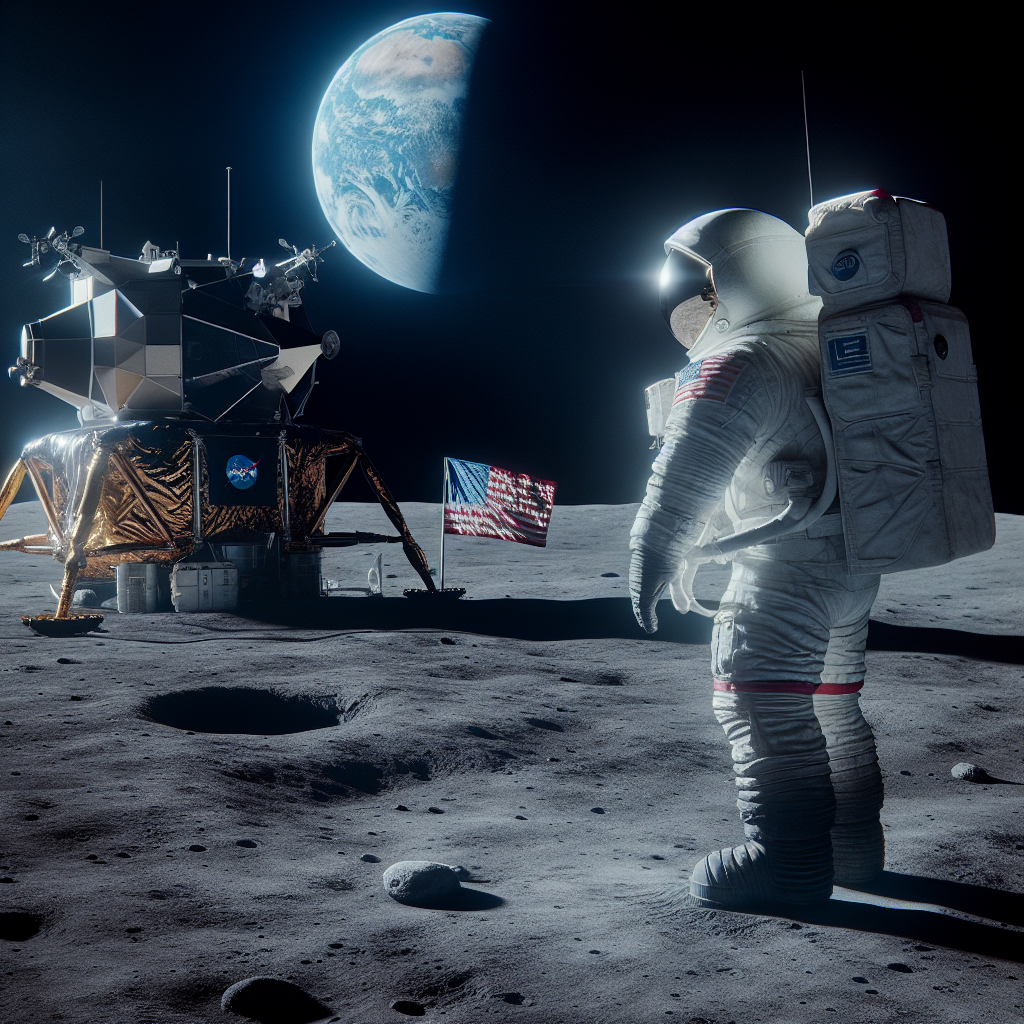
Neil Armstrong stepped onto the lunar surface at 10:56 PM Eastern time on July 20, 1969, and approximately 600 million people watched on television — the largest simultaneous audience in human history to that point. The achievement was genuine and staggering: 12 humans walked on the moon between 1969 and 1972, conducted experiments, and returned safely. The program was then cancelled. Political support collapsed once the Soviets had been beaten; NASA's budget was cut; the grand ambitions of the early program contracted into the Space Shuttle and the International Space Station. What the Space Race demonstrated — that democratic societies could organize and execute enormously complex long-term goals when the political will existed — remained the more important lesson, and the harder one to sustain.


| Period | 1957–1972 (peak) |
| Sputnik launch | October 4, 1957 |
| First human in space | Yuri Gagarin (Soviet Union), April 12, 1961 |
| First American in space | Alan Shepard, May 5, 1961 |
| Moon landing | July 20, 1969 — Apollo 11 |
| First moonwalker | Neil Armstrong |
| Apollo missions | 17 total; 6 landed on moon |
| NASA budget peak | ~4% of federal budget (mid-1960s) |
| Date | Sputnik: October 4, 1957; Moon landing: July 20, 1969 |
| Location | Cape Canaveral, Florida |