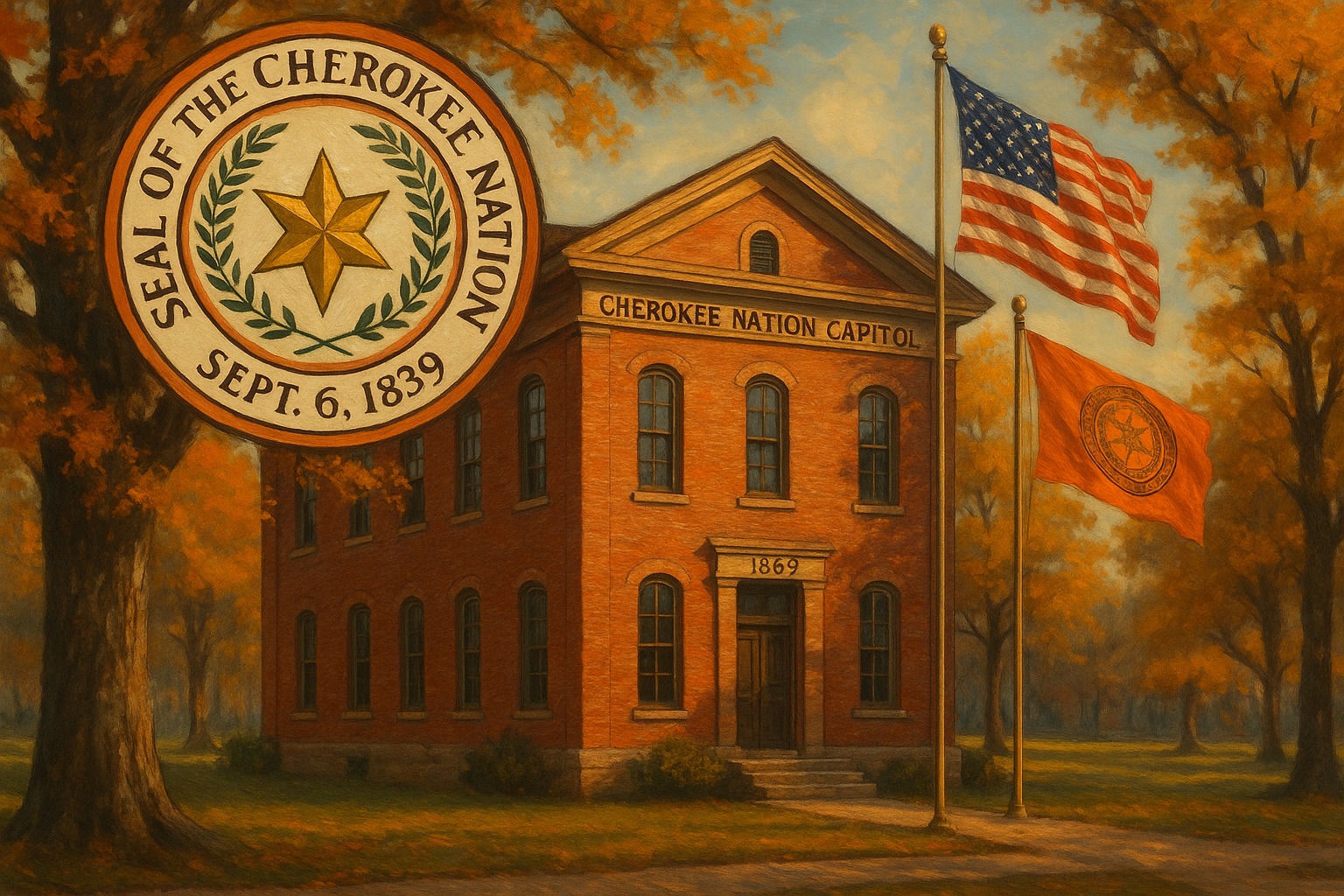
Worcester v. Georgia
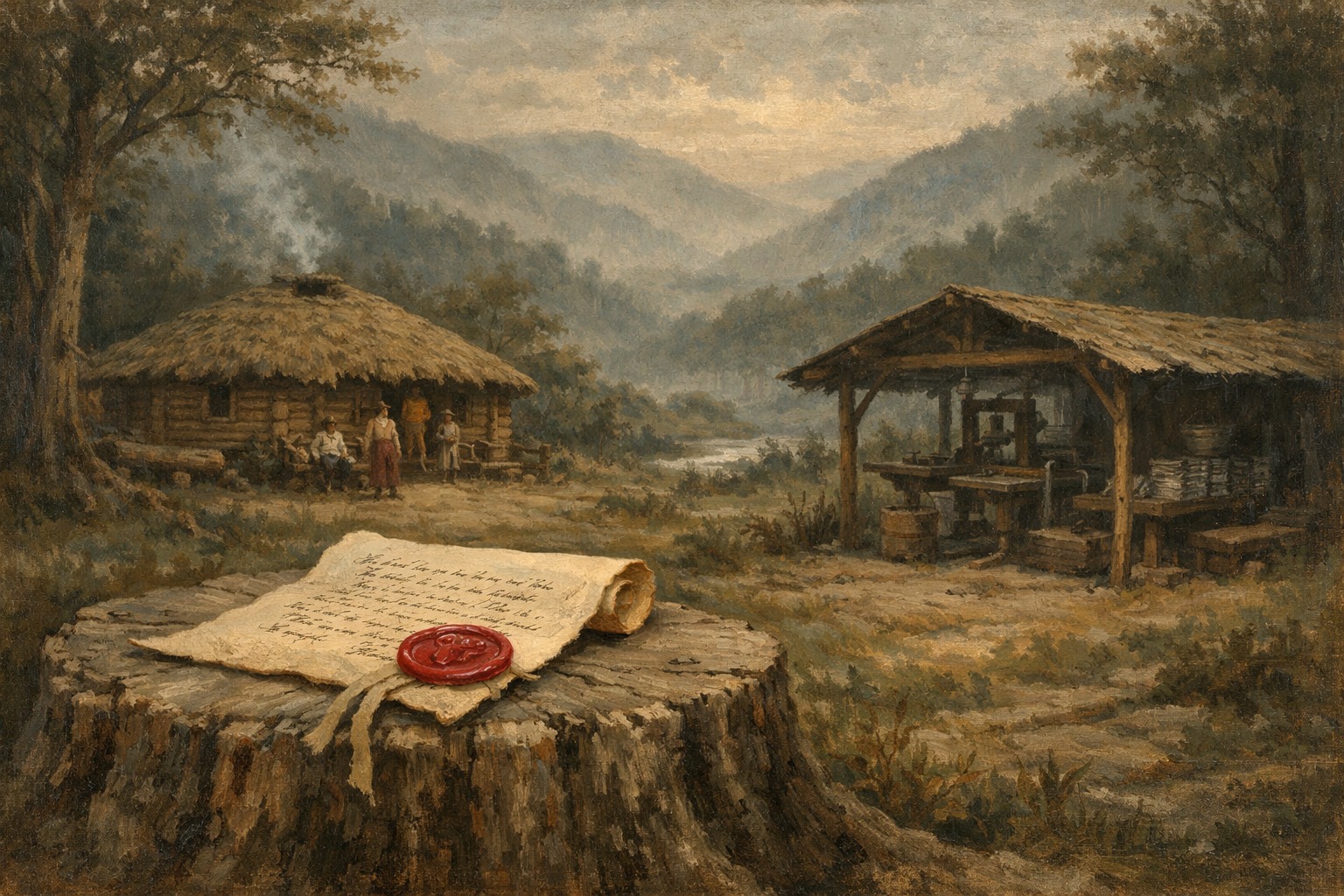
Gold was found on Cherokee land in northern Georgia in 1829, and the state moved to seize the territory. It extended its laws over the Cherokee Nation, declared Cherokee government void, and made it a crime for any white person to live there without a state license. Samuel Worcester, a missionary from Vermont who had helped the Cherokee publish their newspaper, refused to take the license or the oath that went with it. He was sentenced to four years at hard labor.
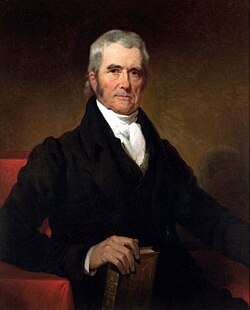
A year earlier, in Cherokee Nation v. Georgia, Chief Justice John Marshall had called the tribes domestic dependent nations but ruled that the Court lacked jurisdiction to hear their suit. Worcester's case came up properly as an appeal by a United States citizen. On March 3, 1832, Marshall held that the Cherokee Nation was a distinct community occupying its own territory, in which the laws of Georgia could have no force. Relations with the tribes belonged to the federal government alone. Worcester's conviction was void.
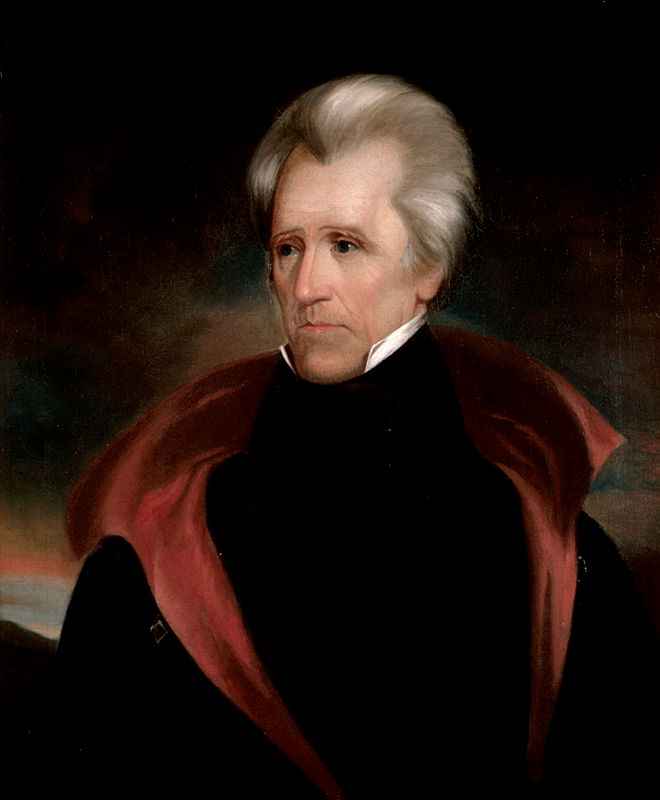
Georgia refused to comply. President Andrew Jackson, who supported removal, did nothing to enforce the ruling. The famous line attributed to him, that John Marshall had made his decision and now let him enforce it, was almost certainly never said, but it captures the result. Worcester stayed in prison until he accepted a pardon the following year.
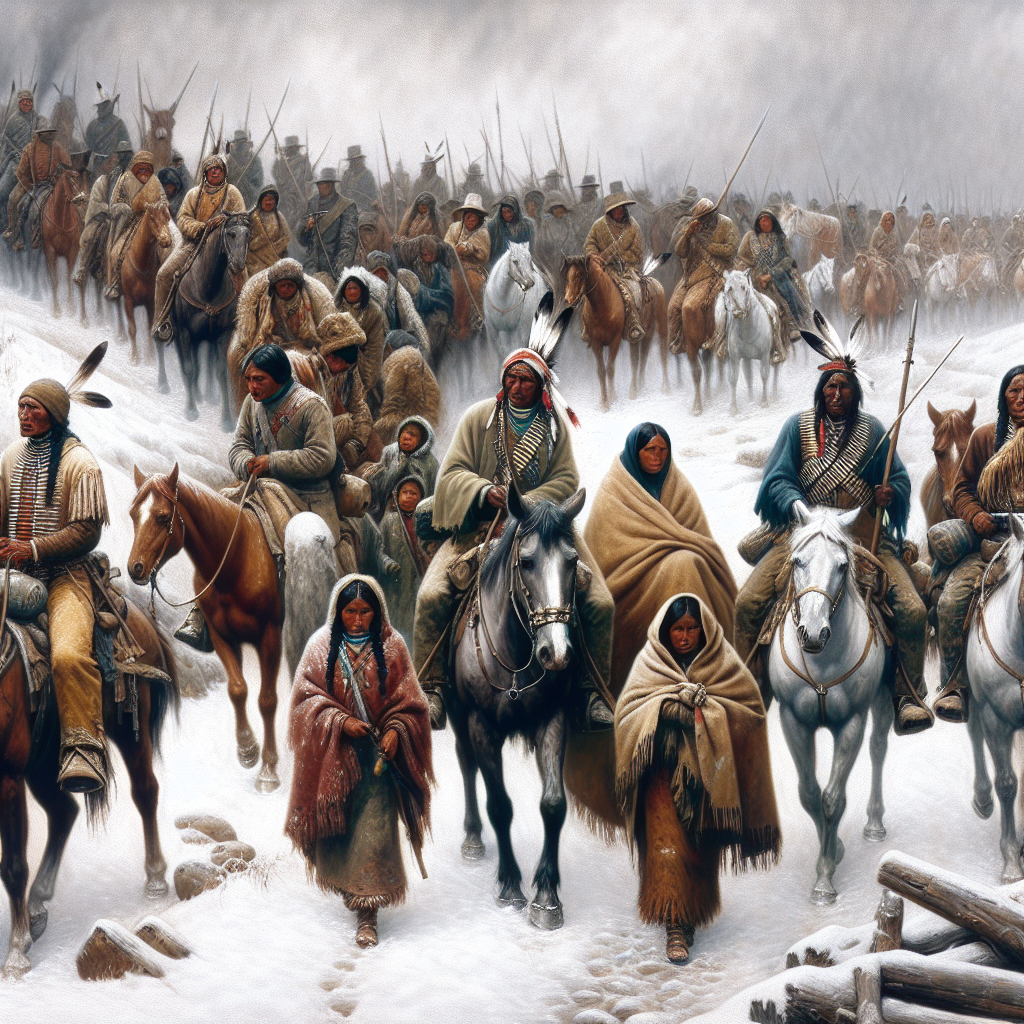
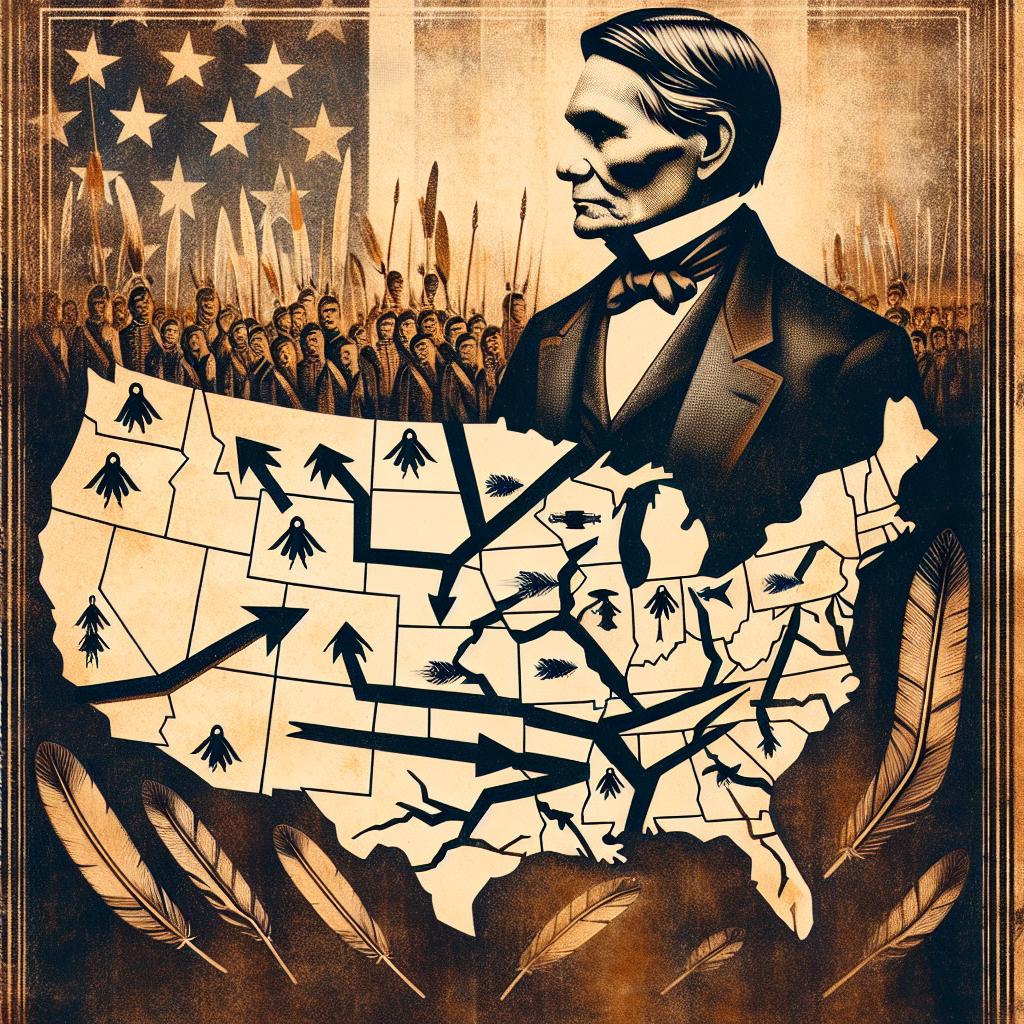
The decision did not save the Cherokee. A minority faction signed the Treaty of New Echota in 1835, and in 1838 the army forced some sixteen thousand people west on the Trail of Tears. But Worcester survived as law. Its holding that tribes are sovereign and that state law does not reach into Indian country remains a foundation of modern federal Indian law.