The Organization of American States
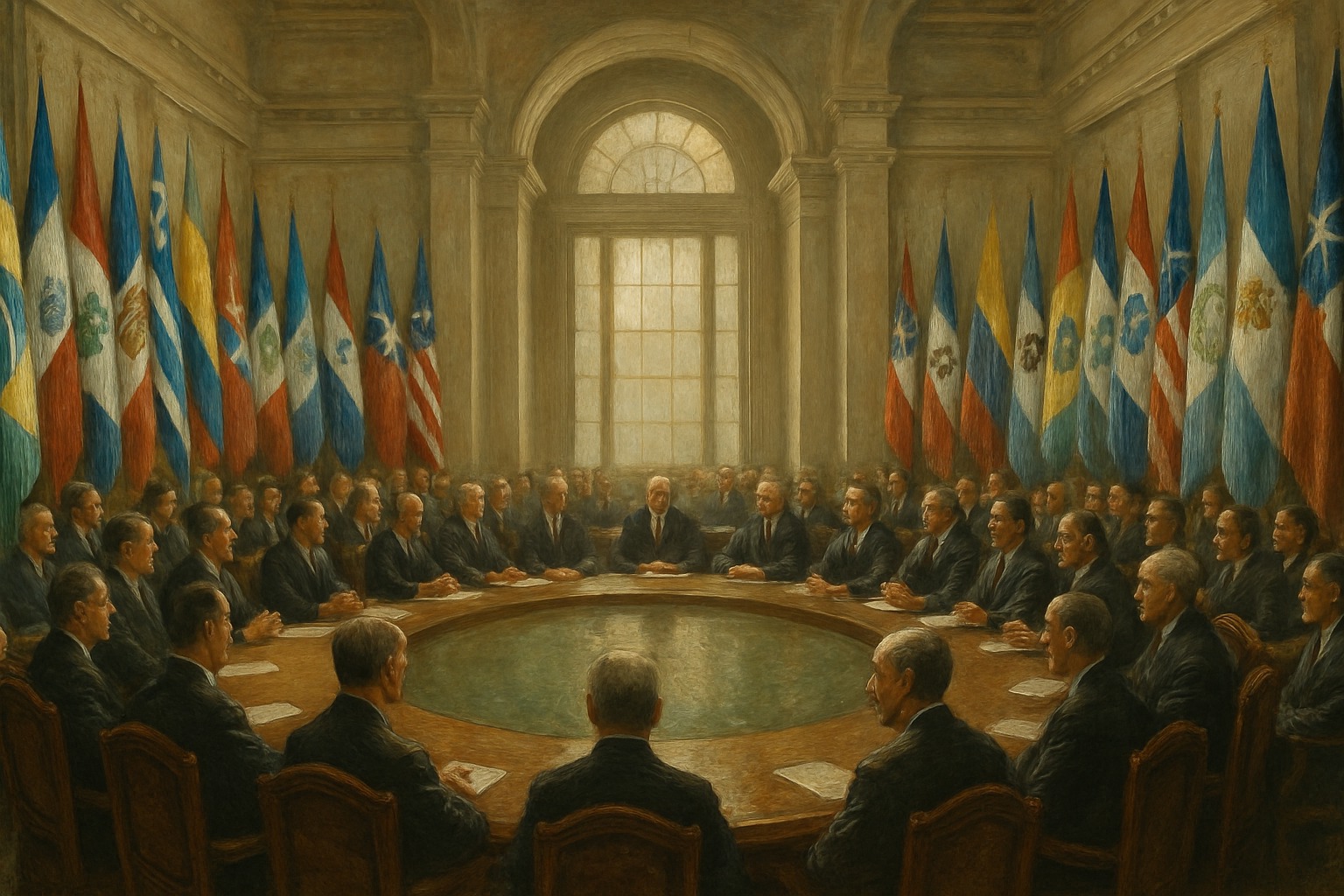
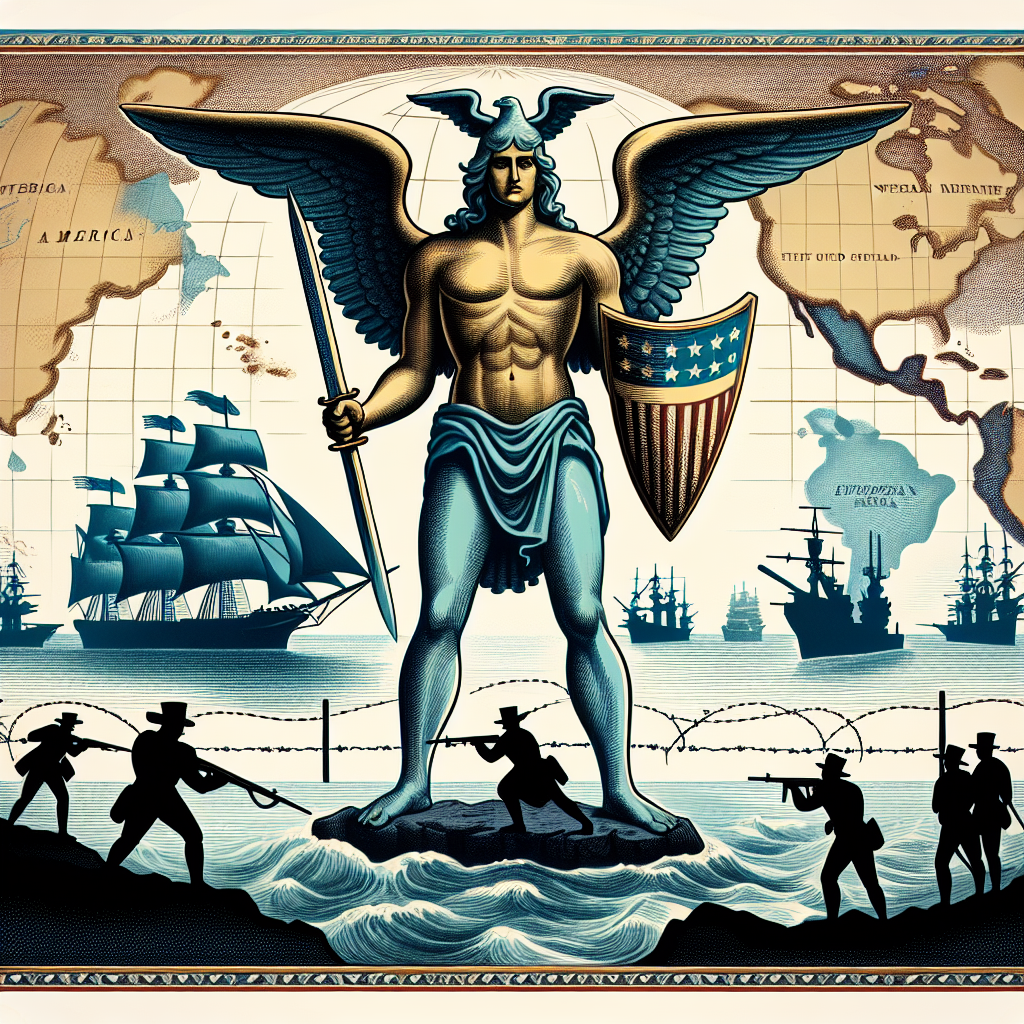
The Organization of American States gave institutional form to an old American idea — that the Western Hemisphere was a world apart, to be managed among its own nations. Founded in Bogotá in 1948 by the United States and the countries of Latin America, the OAS drew on decades of Pan-American cooperation and on the far older logic of the Monroe Doctrine, which had declared the hemisphere off limits to European interference. It became the main forum for diplomacy among the nations of the Americas.
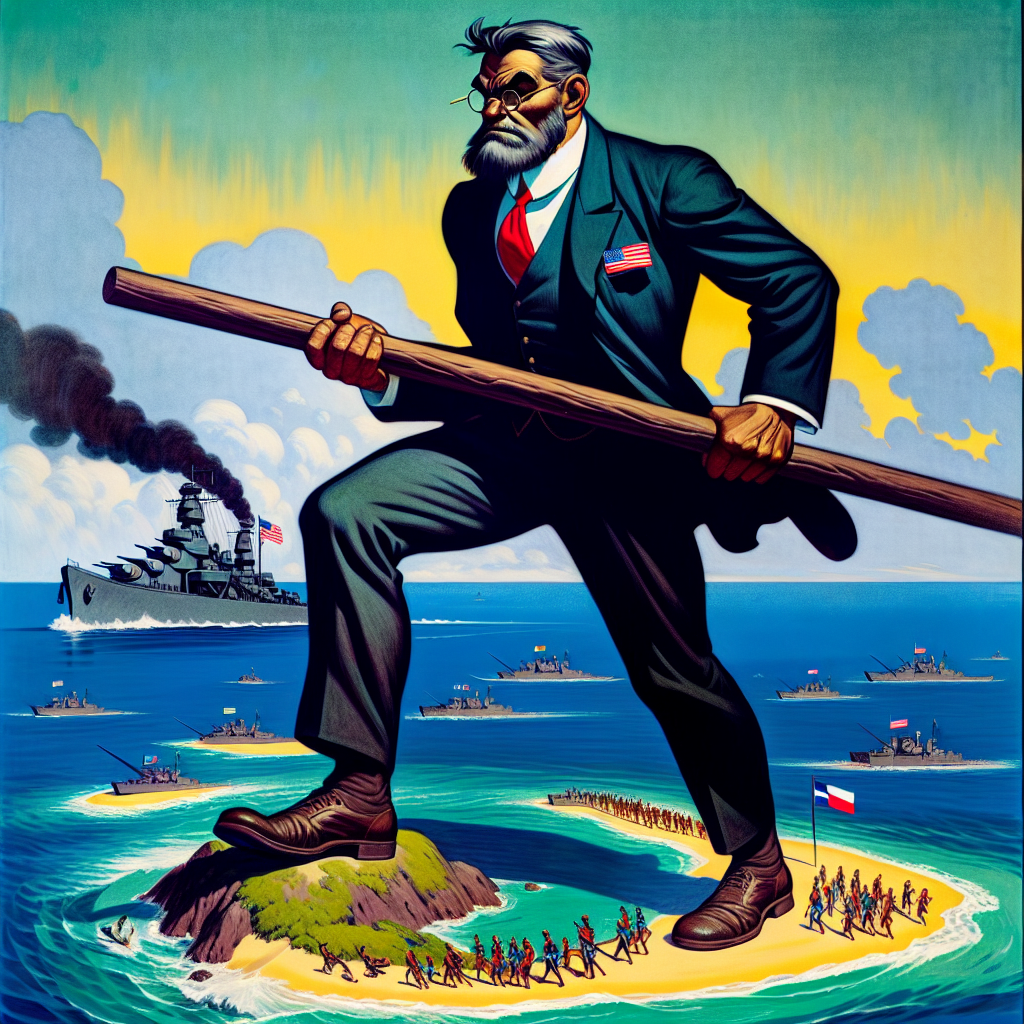
From the beginning the organization operated in the long shadow of its most powerful member. During the Cold War the United States used the OAS to rally the hemisphere against communism, and in 1962 it engineered the suspension of Cuba after Fidel Castro's revolution turned toward Moscow. To Washington the body was a tool of hemispheric solidarity, but to many in Latin America it looked like an instrument of North American dominance, a suspicion sharpened by repeated U.S. interventions in the region.
Alongside its Cold War politics, the OAS built a genuine architecture of hemispheric governance. Its Inter-American Commission on Human Rights investigated abuses across the region, its charters committed members to representative democracy, and it mediated border disputes and monitored elections. Headquartered in Washington, it grew to include 35 member states, spanning the hemisphere from Canada to Argentina.
The organization's record has been decidedly mixed, praised for its human rights work and its defense of democratic norms, criticized as slow, weak, and too easily bent to the interests of its largest member. Yet it endures as the principal institution of inter-American diplomacy, the living descendant of the conviction, as old as the republic, that the nations of the Americas share a common hemisphere and a common set of concerns.




| Founded | 1948 (Bogotá) |
| Members | 35 nations of the Americas |
| Headquarters | Washington, D.C. |
| Roots | Pan-Americanism and the Monroe Doctrine |
| Cold War | Suspended Cuba in 1962 |
| Focus | Democracy, human rights, dispute resolution |
| Date | Founded 1948 |
| Location | Washington, D.C. |