The Authorization for Use of Military Force
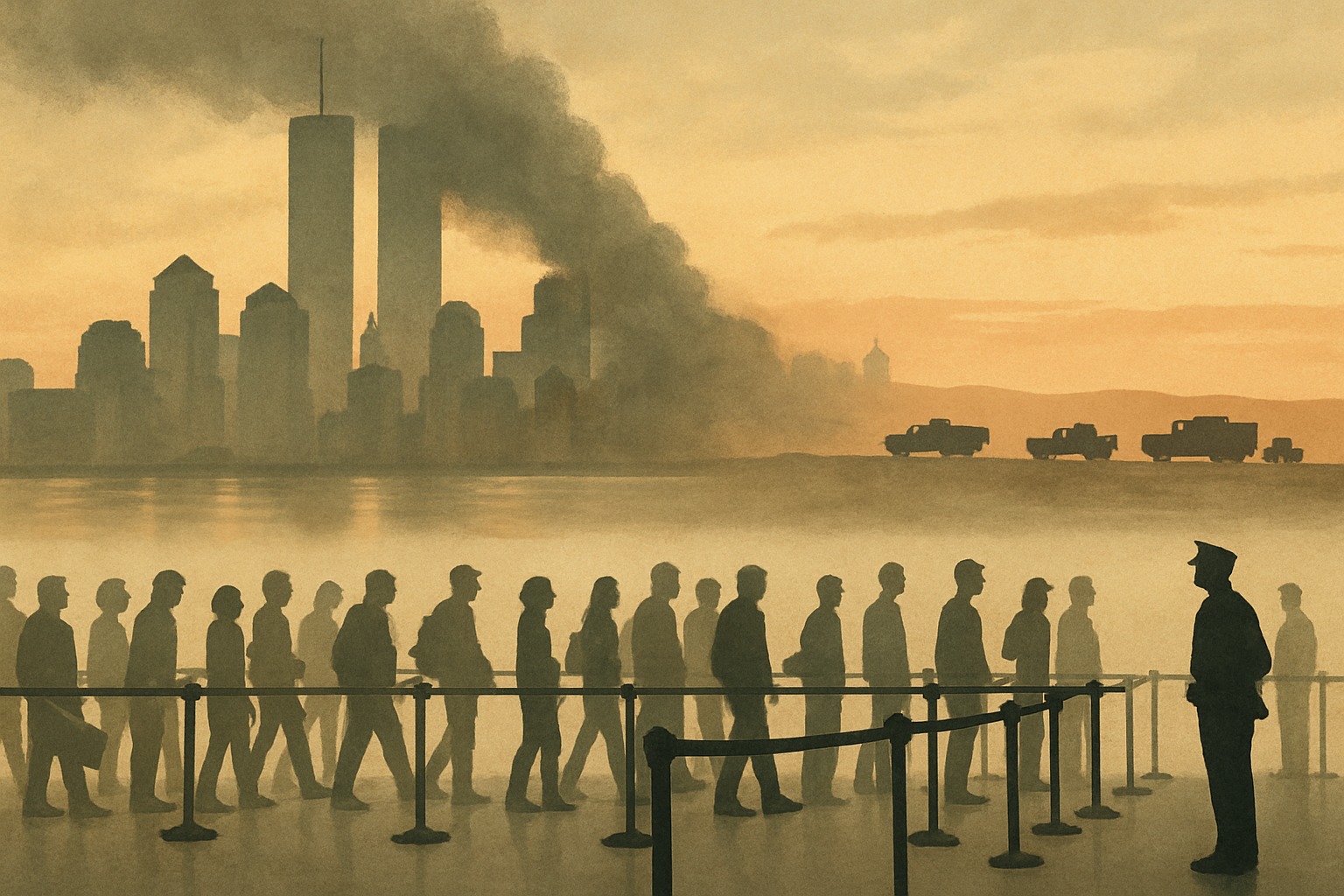
Three days after the September 11 attacks, with the Pentagon still smoking and the Capitol under guard, Congress took up a resolution authorizing the president to use force against those responsible. The draft the White House first sent over would have permitted force to deter unspecified future aggression, and lawmakers pared it back. What emerged was a single operative sentence of roughly sixty words. It passed the House 420 to 1 and the Senate 98 to 0 on September 14, 2001, and President Bush signed it four days later.
The text authorized force against the nations, organizations, or persons the president determined had planned, authorized, committed, or aided the attacks, or had harbored those who did. It named no country, set no expiration date, and drew no geographic limit. Representative Barbara Lee of California cast the only vote against it, telling the House that in her grief she was mindful the country must not become the evil it deplored, and warning that Congress was handing away an open-ended power. She received death threats and traveled under police escort for weeks.
The authorization's reach expanded far beyond Afghanistan. Administrations of both parties invoked it to justify detention at Guantanamo, military commissions, drone strikes, and ground operations against groups that did not exist in 2001, including the Islamic State, on the theory that they were successors or associated forces of al-Qaeda. Congressional Research Service tallies found presidents citing the resolution dozens of times for operations across more than a dozen countries, and later reporting requirements revealed American counterterrorism missions in many more.
Repeal has failed repeatedly. Members of both parties argue that the resolution long ago outran the emergency that produced it and that Congress has abdicated its constitutional role in deciding when the country goes to war. Defenders answer that the threat is genuinely diffuse and that a president needs standing authority to meet it. In 2023 the Senate voted to repeal the separate Iraq authorizations of 1991 and 2002. The 2001 resolution remains in force — the durable legal foundation of a conflict with no declared end.

| Passed | September 14, 2001, three days after the attacks |
| Vote | House 420-1, Senate 98-0 |
| Lone dissent | Representative Barbara Lee of California |
| Length | About 60 operative words |
| Limits | No expiration date, no named country, no geographic limit |
| Status | Still in force |
| Date | September 14, 2001 |
| Location | Washington, D.C. |