Guantanamo Bay Detention Camp
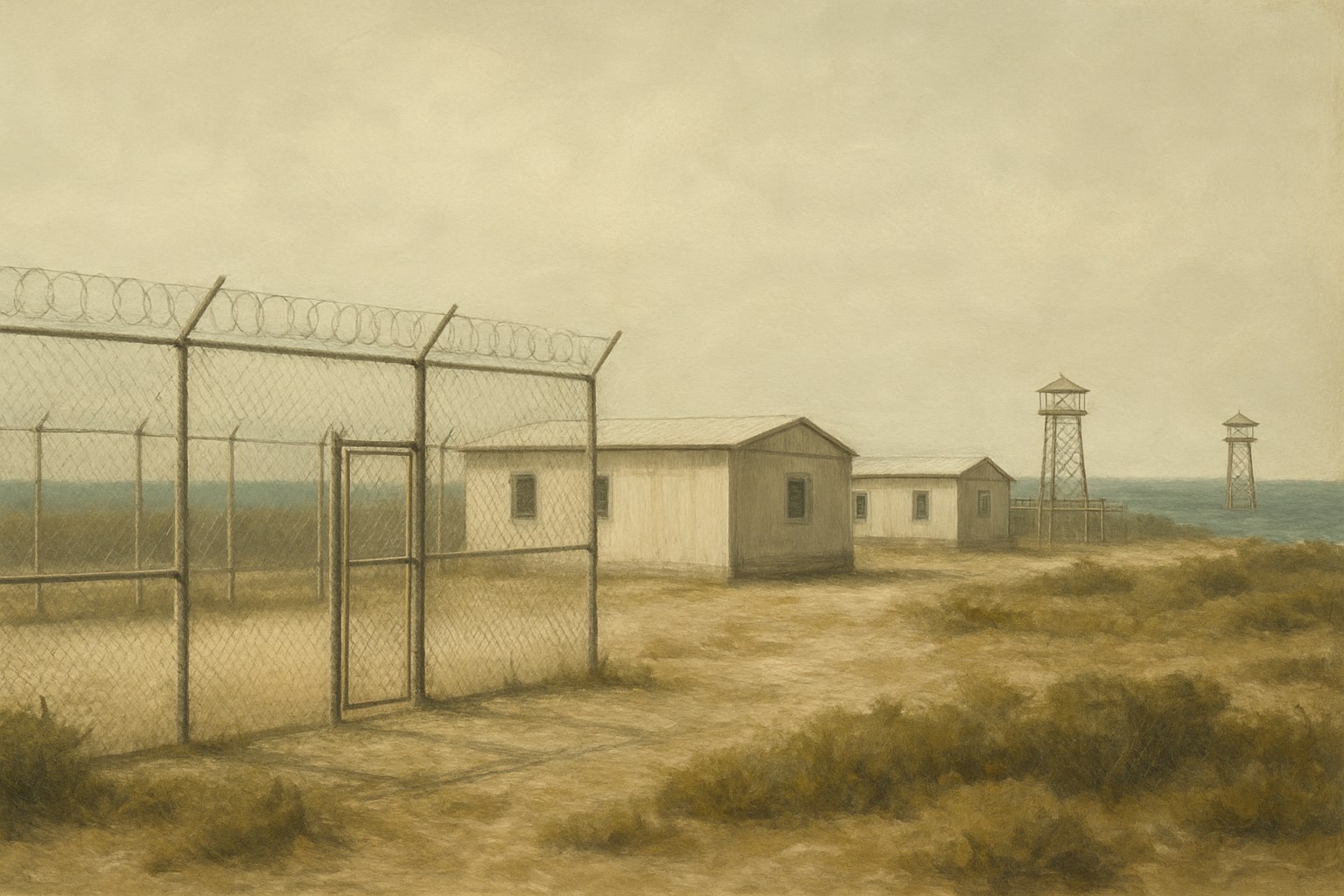
The United States has held Guantanamo Bay since 1903, when a newly independent Cuba granted a perpetual lease on the harbor in the settlement that followed the Spanish-American War. Cuba's government has refused the annual rent since 1959 and calls the occupation illegitimate. That legal oddity — American control over territory under nominal Cuban sovereignty — was precisely what recommended the base in late 2001 to lawyers searching for somewhere to hold prisoners taken in Afghanistan. The first twenty detainees arrived at Camp X-Ray on January 11, 2002.
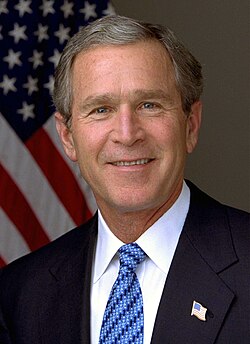
The governing theory was that Guantanamo lay outside the reach of American courts, so men could be held indefinitely without charge and without habeas corpus review. The administration also determined that the Geneva Conventions did not protect prisoners it classified as unlawful enemy combatants. Roughly 780 people passed through the camps. Many were low-level figures or innocent men handed over to American forces for bounties, and most were eventually released without any charge. A far smaller number, among them the alleged planners of the September 11 attacks, faced accusations of serious crimes.
The Supreme Court dismantled the legal theory in stages. Rasul v. Bush in 2004 held that the federal habeas statute reached Guantanamo. Hamdan v. Rumsfeld in 2006 struck down the military commissions the president had created on his own authority and found that Common Article 3 of the Geneva Conventions applied. Boumediene v. Bush in 2008 held that the constitutional right to habeas corpus extended to the base and that Congress could not strip it away. Military and government investigators meanwhile documented interrogation methods that a senior Pentagon official later publicly called torture.
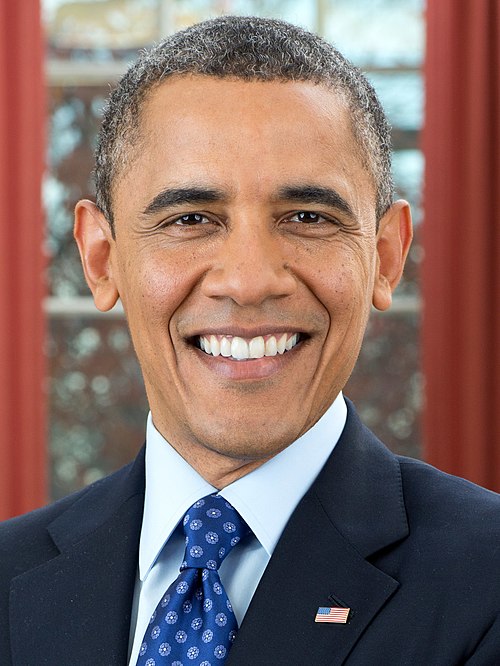
Closing the prison proved politically impossible. President Obama ordered it shut within a year on his second full day in office, and Congress responded by barring the transfer of detainees to the United States for any purpose, including trial. The military commissions ground on for two decades without reaching a verdict in the September 11 case. Fewer than twenty men remain. Guantanamo endures as the most contested legal space in the American system — a place designed to sit beyond the law, which the courts then spent years pulling back inside it.

| Location | U.S. Naval Station Guantanamo Bay, Cuba, leased since 1903 |
| Opened | January 11, 2002, at Camp X-Ray |
| Detainees | About 780 held in total |
| Key rulings | Rasul (2004), Hamdan (2006), Boumediene (2008) |
| Closure | Ordered by executive order in 2009, blocked by Congress |
| Today | Fewer than twenty detainees remain |
| Date | Opened 2002 |
| Location | Guantanamo Bay, Cuba |