The War in Afghanistan
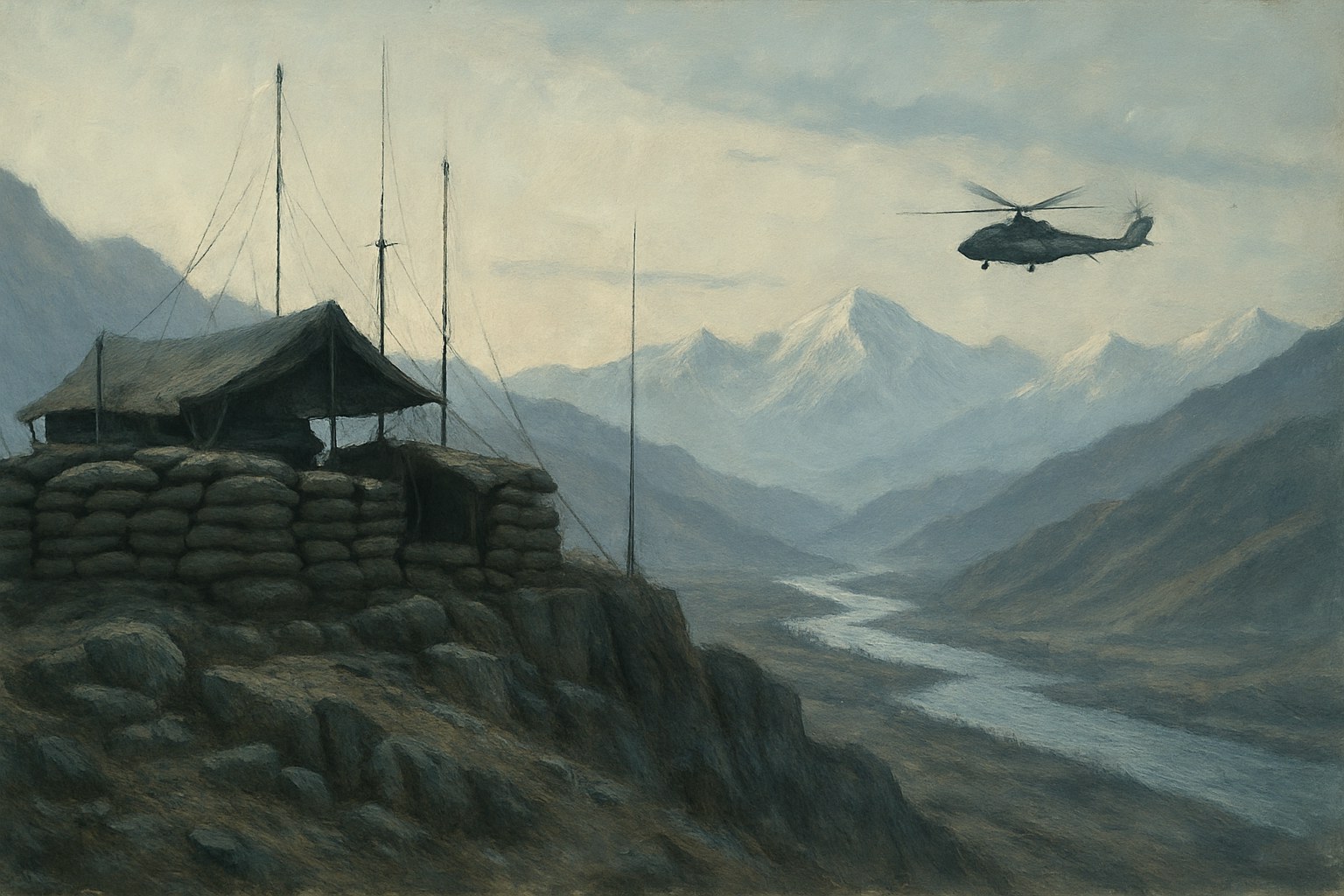
Within weeks of the attacks of September 11, 2001, the United States demanded that Afghanistan's Taliban government surrender Osama bin Laden and dismantle the al-Qaeda network it had sheltered. The Taliban refused. On October 7 American and British aircraft began striking Taliban positions, while CIA officers and Army Special Forces teams went in on the ground to fight alongside the Northern Alliance, the loose coalition of Afghan militias that had resisted Taliban rule. Kabul fell in mid-November. By December the Taliban government had collapsed, and the war looked close to won.
It was not. In December 2001 bin Laden was cornered in the Tora Bora cave complex near the Pakistani border, but American commanders relied on Afghan proxies rather than commit U.S. infantry to seal the passes, and he slipped into Pakistan. The Taliban regrouped in the border sanctuaries. Meanwhile a conference in Bonn installed Hamid Karzai at the head of a new government, and what had begun as a punitive expedition became an open-ended project of building a state, an army, and a democracy in one of the poorest countries on earth.
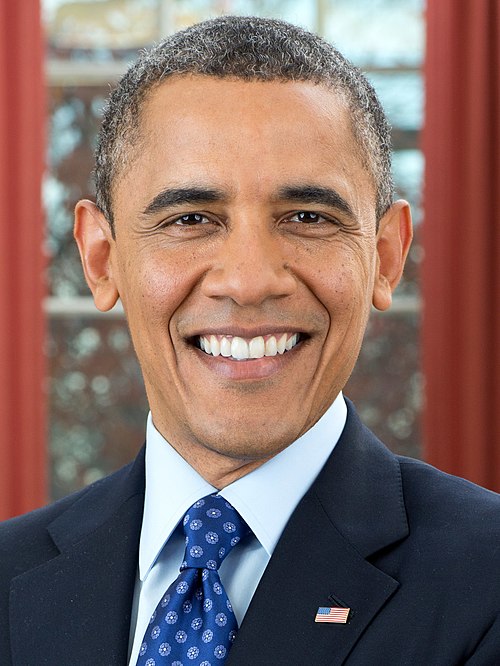
Attention and resources shifted to Iraq after 2003, and the insurgency grew through the middle of the decade. In 2009 President Barack Obama ordered a surge that pushed American troop strength above 100,000, paired with a deadline for beginning withdrawal. Violence fell in some districts and returned in others. Successive commanders reported progress while corruption hollowed out the Kabul government and Afghan security forces padded their rolls with soldiers who did not exist. The United States spent more than two trillion dollars and never found a way to end the war on favorable terms.
In February 2020 American negotiators signed an agreement with the Taliban in Doha that set a withdrawal timetable and excluded the Afghan government from the table. The last troops left in August 2021 as the Taliban retook the country in a matter of days. Roughly 2,400 American service members died, along with some 66,000 Afghan soldiers and police and more than 46,000 Afghan civilians by conservative counts. The longest war in American history ended with the movement the United States had fought for twenty years back in power in Kabul.
| Dates | 2001-2021, the longest war in U.S. history |
| Began | October 7, 2001, after the Taliban refused to give up bin Laden |
| Early miss | Bin Laden's escape from Tora Bora, December 2001 |
| Peak strength | About 100,000 U.S. troops, 2010-2011 |
| Cost | More than two trillion dollars |
| Ended | U.S. withdrawal, August 2021, and the Taliban's return |
| Date | 2001-2021 |
| Location | Kabul, Afghanistan |