Louis Brandeis
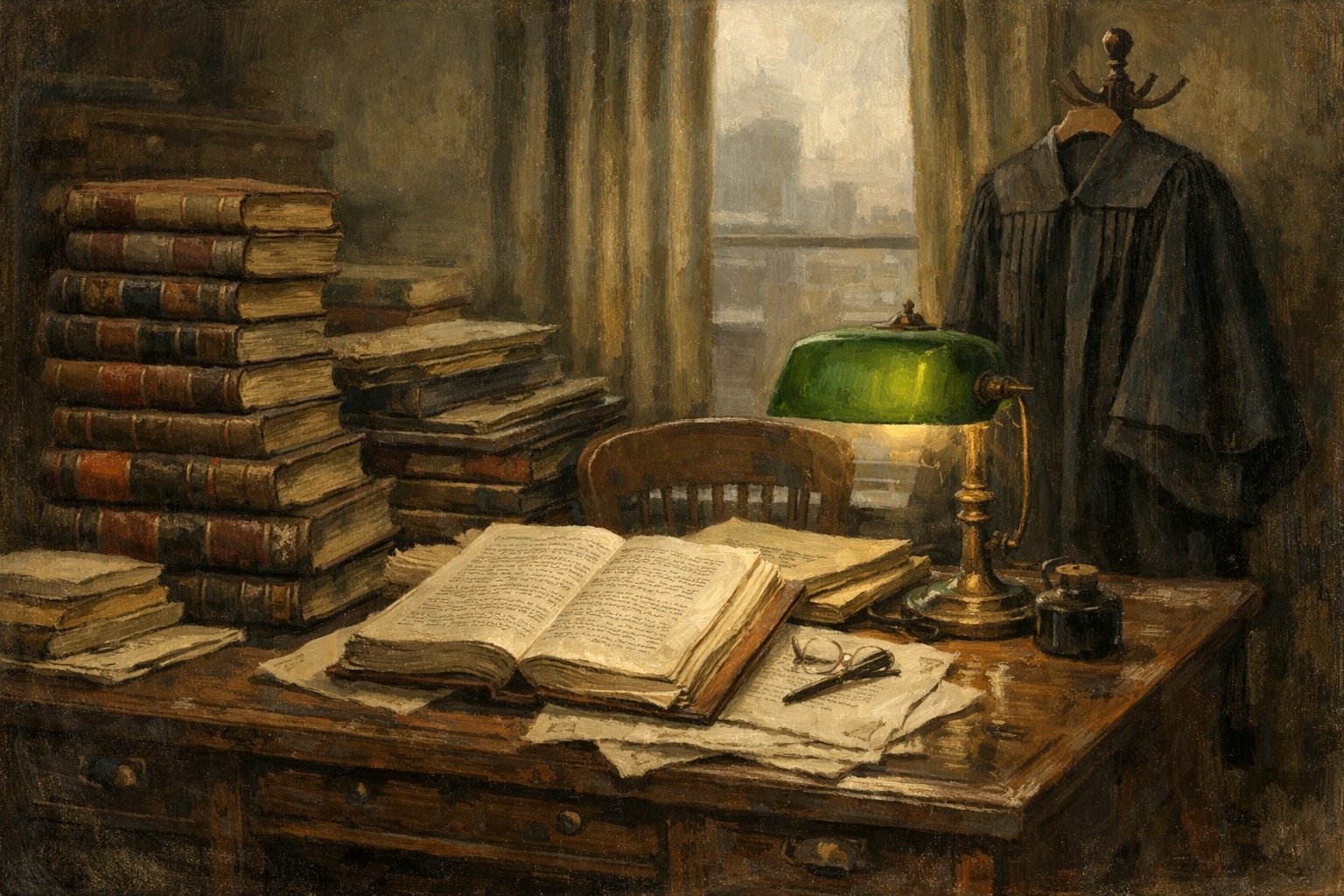
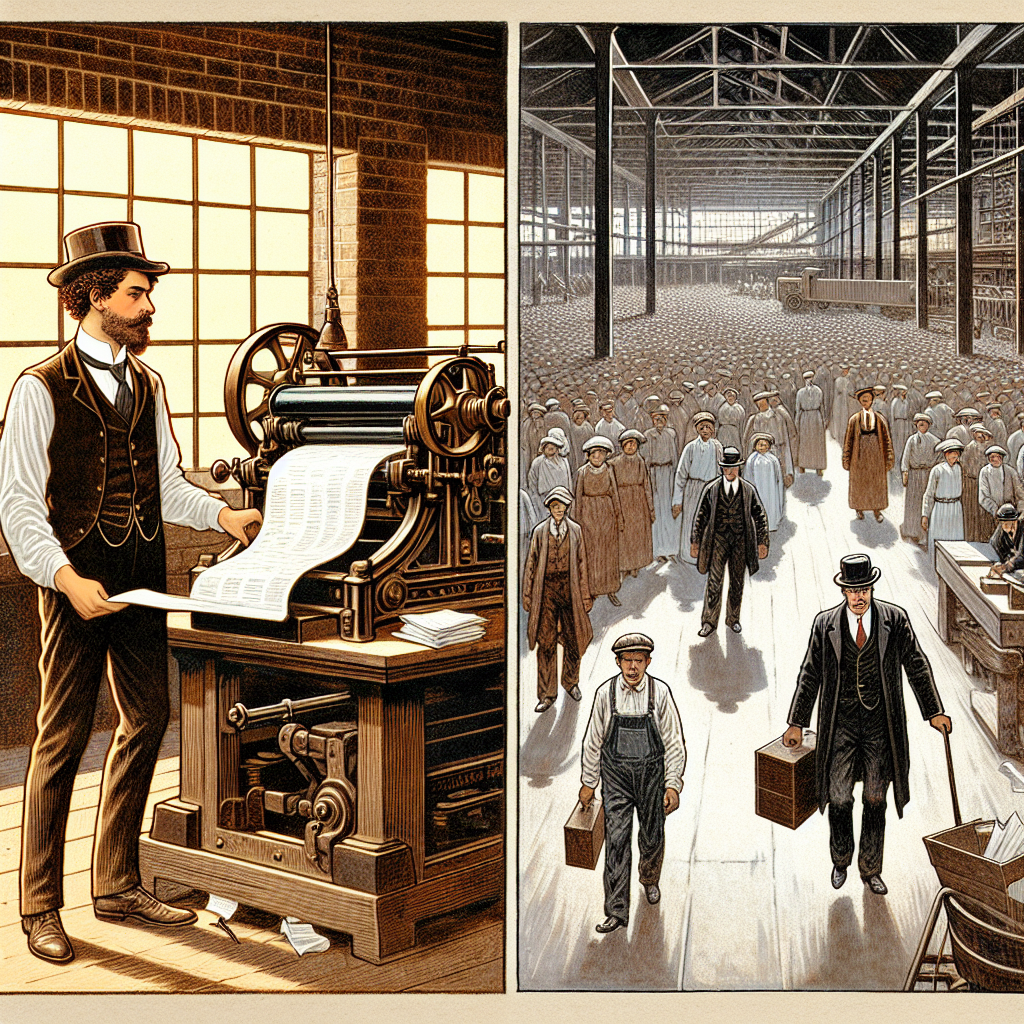
Louis Brandeis made a fortune as a Boston corporate lawyer and then spent it fighting the corporations. He took cases for consumers, workers, and small businesses without fee, attacked the New Haven Railroad's monopoly, and in 1914 published Other People's Money, an indictment of investment bankers that helped shape Woodrow Wilson's banking reforms. In 1908, defending an Oregon law limiting women's working hours, he filed a brief with two pages of legal argument and more than a hundred pages of medical and social data. The Brandeis brief changed how cases were argued.
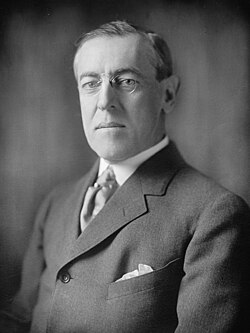
Wilson nominated him to the Supreme Court in January 1916. The confirmation fight lasted four months. Former president William Howard Taft and six other past presidents of the American Bar Association opposed him as a radical, and much of the hostility was plainly antisemitic. He was confirmed forty-seven to twenty-two and became the first Jewish justice.
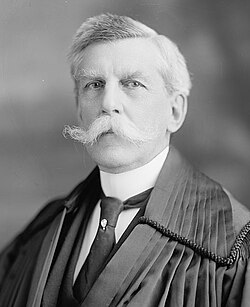
On the Court he was often in dissent, frequently alongside Oliver Wendell Holmes. In Whitney v. California in 1927 he wrote that if there be time to expose through discussion the falsehood and fallacies, the remedy to be applied is more speech, not enforced silence. Dissenting in Olmstead v. United States in 1928, which allowed warrantless wiretapping, he called the right to be let alone the most comprehensive of rights and the right most valued by civilized men — an idea he had first argued in a law review article in 1890.
Brandeis also gave American federalism one of its best-known phrases, describing a single courageous state as a laboratory that might try novel social and economic experiments. He supported much of the New Deal but joined the unanimous Court that struck down the National Industrial Recovery Act. He retired in 1939 and died in 1941. A leader of the American Zionist movement, he is honored in the name of Brandeis University, and his dissents on speech and privacy became majority law after his death.

| Served | Associate Justice, 1916–1939 |
| Appointed by | Woodrow Wilson |
| First | First Jewish justice of the Supreme Court |
| Innovation | The Brandeis brief, Muller v. Oregon, 1908 |
| Famous phrase | The right to be let alone |
| Named for him | Brandeis University |
| Date | 1856–1941 (Justice 1916–1939) |