Schenck v. United States
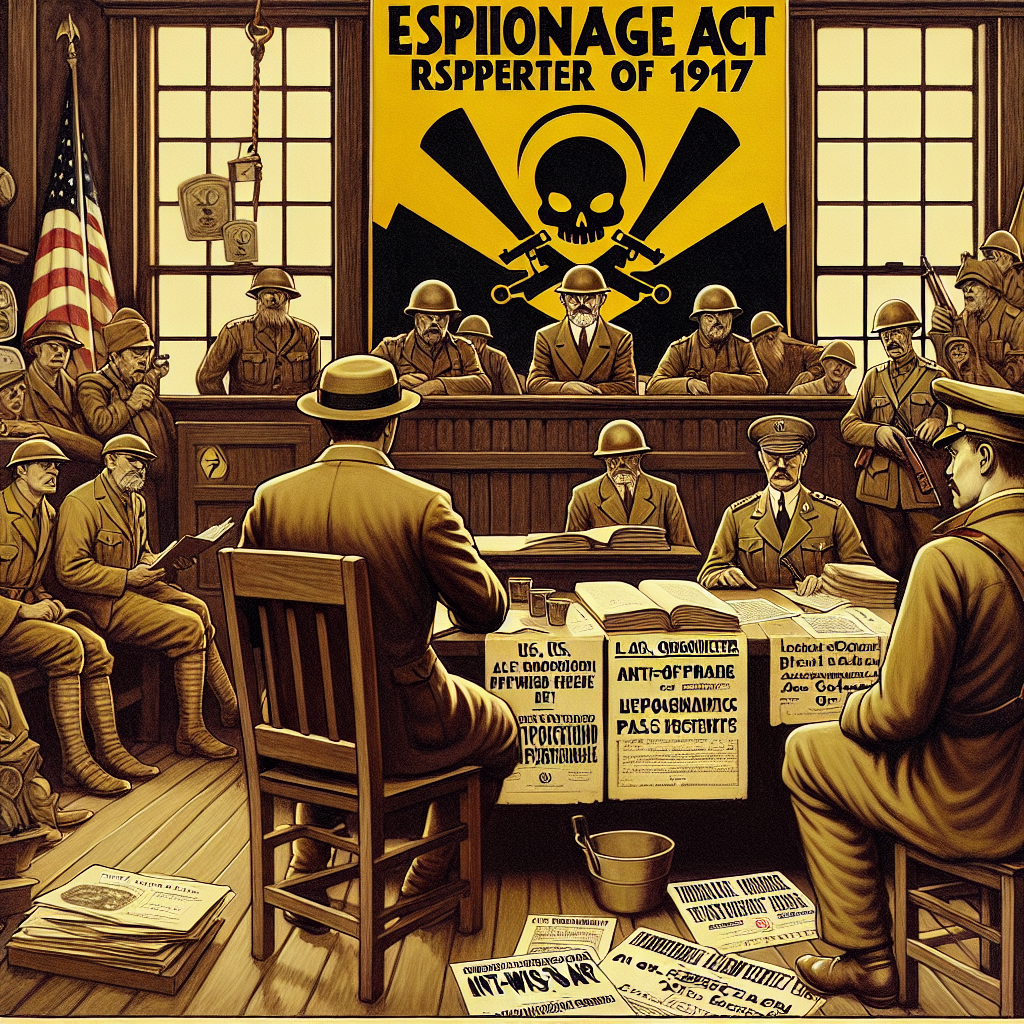
Charles Schenck was general secretary of the Socialist Party in Philadelphia when the United States entered the First World War. In 1917 the party printed some fifteen thousand leaflets and mailed them to men who had been called up for the draft. The leaflets compared conscription to involuntary servitude and urged readers to assert their rights. Schenck was convicted under the Espionage Act of conspiring to obstruct recruitment.
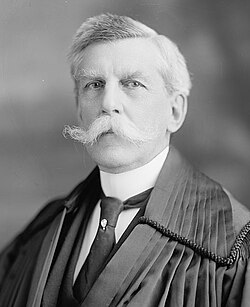
A unanimous Court upheld the conviction on March 3, 1919. Justice Oliver Wendell Holmes wrote that the character of every act depends on the circumstances in which it is done. "The most stringent protection of free speech would not protect a man in falsely shouting fire in a theatre and causing a panic." The question was whether words were used in such circumstances and were of such a nature as to create a clear and present danger of evils Congress had a right to prevent. In wartime, he said, they were.
Within months Holmes began to retreat. Dissenting in Abrams v. United States that November, he argued that only an immediate threat could justify punishing speech and that the best test of truth was the power of the thought to get itself accepted in the competition of the market. Justice Louis Brandeis joined him, and their dissents in the 1920s laid the groundwork for modern free speech law.
The Court abandoned the clear and present danger test in Brandenburg v. Ohio in 1969, which protects advocacy unless it is directed to inciting imminent lawless action and is likely to produce it. Schenck's own words outlived the case. The crowded-theater line is still quoted to argue that speech can be limited, usually by people unaware that the decision it came from is no longer good law.