Shelby County v. Holder

The heart of the Voting Rights Act of 1965 was Section 5, which required states and counties with a history of discrimination to get federal approval before changing any voting rule, from the location of a polling place to the shape of a district. Section 4(b) set the formula for which jurisdictions were covered, based on voter turnout and the use of literacy tests in the 1960s and early 1970s. Congress reauthorized the system several times, most recently in 2006 by large majorities, for another twenty-five years.
Shelby County, Alabama, sued to have both provisions declared unconstitutional. On June 25, 2013, the Court ruled five to four that the coverage formula was. Chief Justice John Roberts wrote that the act had been a remarkable success, that Black voter turnout in covered states now often exceeded white turnout, and that the nation had changed. Congress could not keep subjecting states to an extraordinary burden on the basis of forty-year-old facts having no logical relation to the present day.
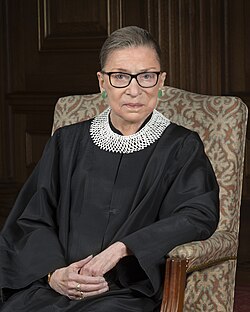
The Court left Section 5 in place but without a formula it covered no one, and Congress has not passed a new one. Justice Ruth Bader Ginsburg read her dissent from the bench. Preclearance had worked by blocking discriminatory changes before they took effect, she argued, and throwing it out because it had worked was like throwing away your umbrella in a rainstorm because you are not getting wet.
Within hours Texas announced it would enforce a voter identification law that had previously been blocked, and several other formerly covered states adopted new rules on identification, early voting, and voter rolls. Supporters of the decision said it restored the equal sovereignty of the states and that the act's permanent ban on discrimination still applied. Critics argued that it removed the most effective tool for stopping discrimination before it happened. The Court further narrowed challenges under the act's remaining provisions in later years.