Antonin Scalia

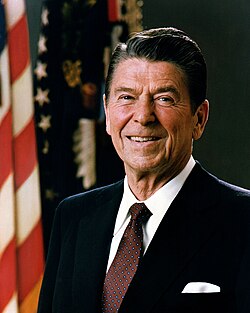
Antonin Scalia was a law professor, a Justice Department lawyer under Gerald Ford, and a judge on the D.C. Circuit when Ronald Reagan nominated him in 1986 to fill the seat vacated by William Rehnquist's elevation. The Senate confirmed him ninety-eight to nothing. He was the first Italian American to sit on the Court, and he brought to it a combative intelligence and a theory of interpretation he would spend thirty years advancing.
Scalia argued that judges should read statutes according to their text rather than legislative history or presumed purpose, and the Constitution according to its original public meaning rather than evolving standards. He did not invent either idea, but he did more than anyone to make them respectable, and by the end of his tenure lawyers on both sides argued in his terms. As Justice Elena Kagan put it, we are all textualists now.
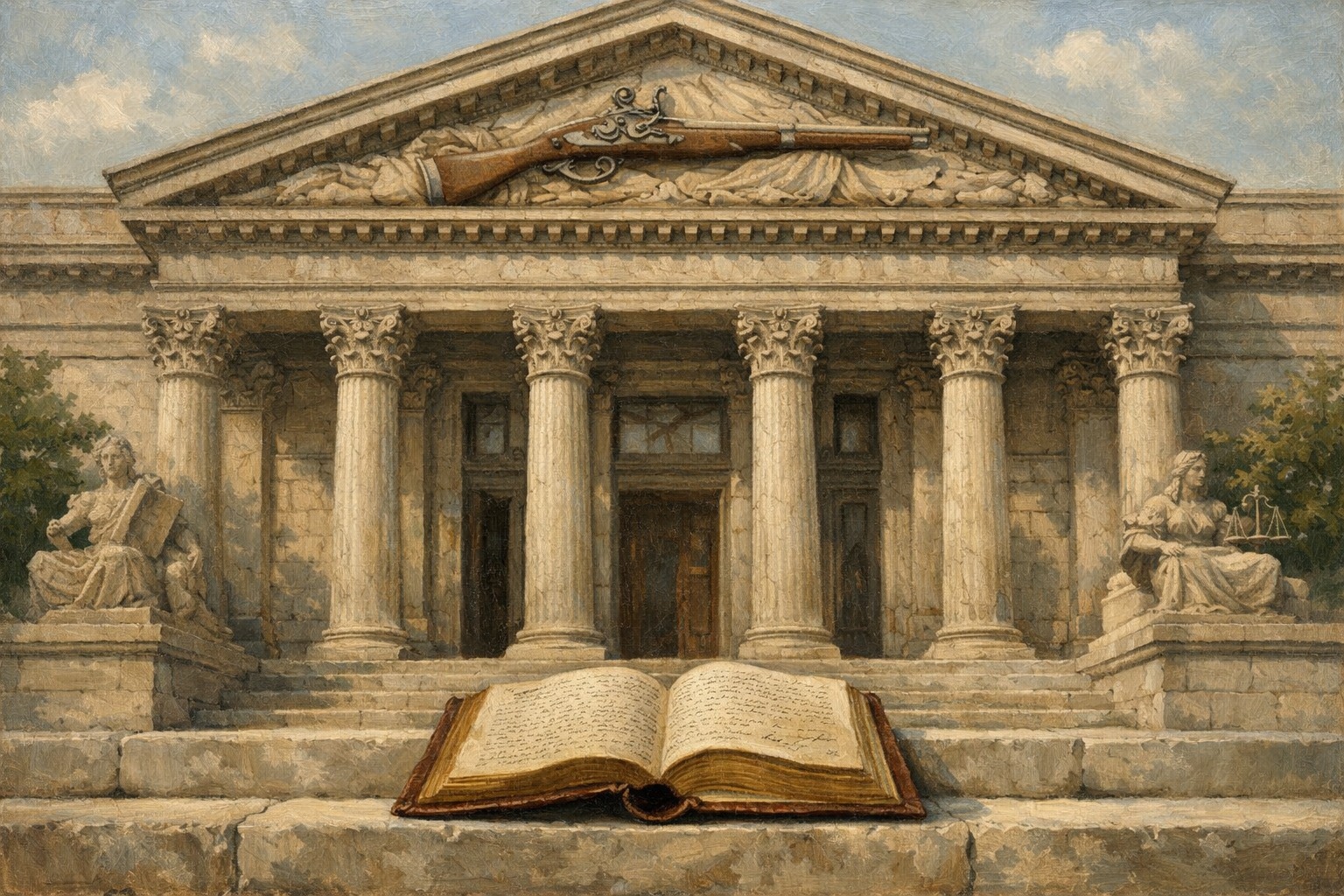
His majority opinion in District of Columbia v. Heller in 2008 was the fullest application of his method. His dissents were sharper and more widely read than most majority opinions. In Morrison v. Olson in 1988, alone in opposing the independent counsel law, he warned that this wolf comes as a wolf. In the same-sex marriage cases he accused the majority of abandoning law for policy preferences. Critics argued that originalism gave cover to conservative outcomes and that history rarely yields one answer.
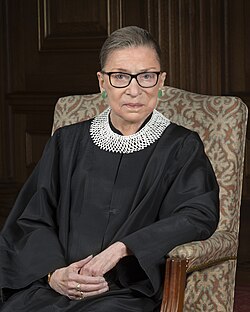
Scalia's close friendship with Ruth Bader Ginsburg, his ideological opposite, became famous enough to inspire an opera. He died unexpectedly on February 13, 2016, at a ranch in West Texas. Senate Republicans declined to consider President Obama's nominee, Merrick Garland, arguing that the next president should fill the seat. Donald Trump's nominee, Neil Gorsuch, took it in 2017, and the fight over the vacancy reshaped the politics of the Court.

| Served | Associate Justice, 1986–2016 |
| Appointed by | Ronald Reagan |
| Confirmation vote | 98 to 0 |
| Philosophy | Originalism and textualism |
| Key opinion | District of Columbia v. Heller, 2008 |
| Seat filled by | Neil Gorsuch, 2017 |
| Date | 1936–2016 (Justice 1986–2016) |