Robert McNamara
Secretary of Defense under Kennedy and Johnson who later called the Vietnam War a mistake
Robert Strange McNamara was the secretary of defense who oversaw the American buildup in Vietnam and who, decades later, publicly said the war had been a mistake. He was born on June 9, 1916, in San Francisco, studied economics at the University of California, Berkeley, and earned a master's degree from Harvard Business School, where he then taught. During World War II he served in the Army Air Forces' Office of Statistical Control, using data analysis to improve the efficiency of bombing campaigns, including the B-29 raids on Japan. After the war he and several colleagues, nicknamed the "Whiz Kids," joined the Ford Motor Company. He rose quickly and in November 1960 became the first president of Ford from outside the Ford family.
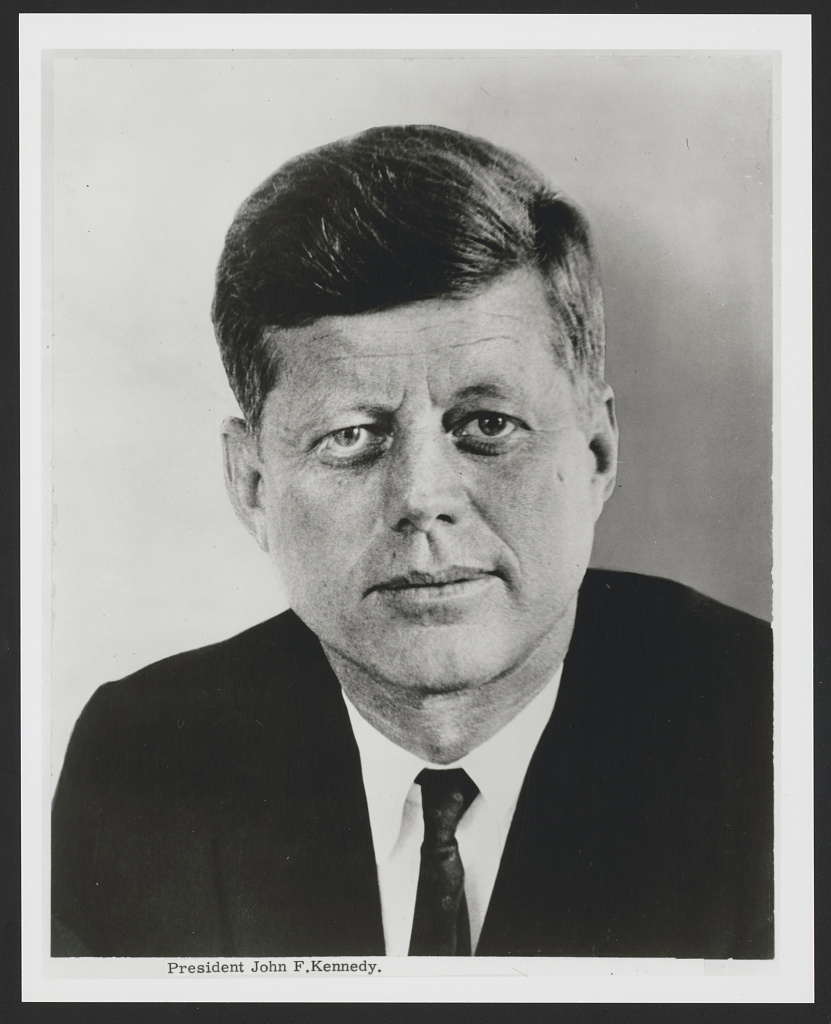
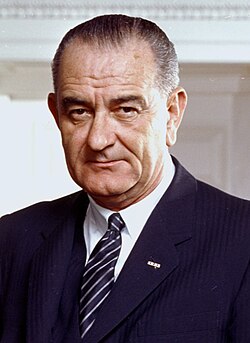
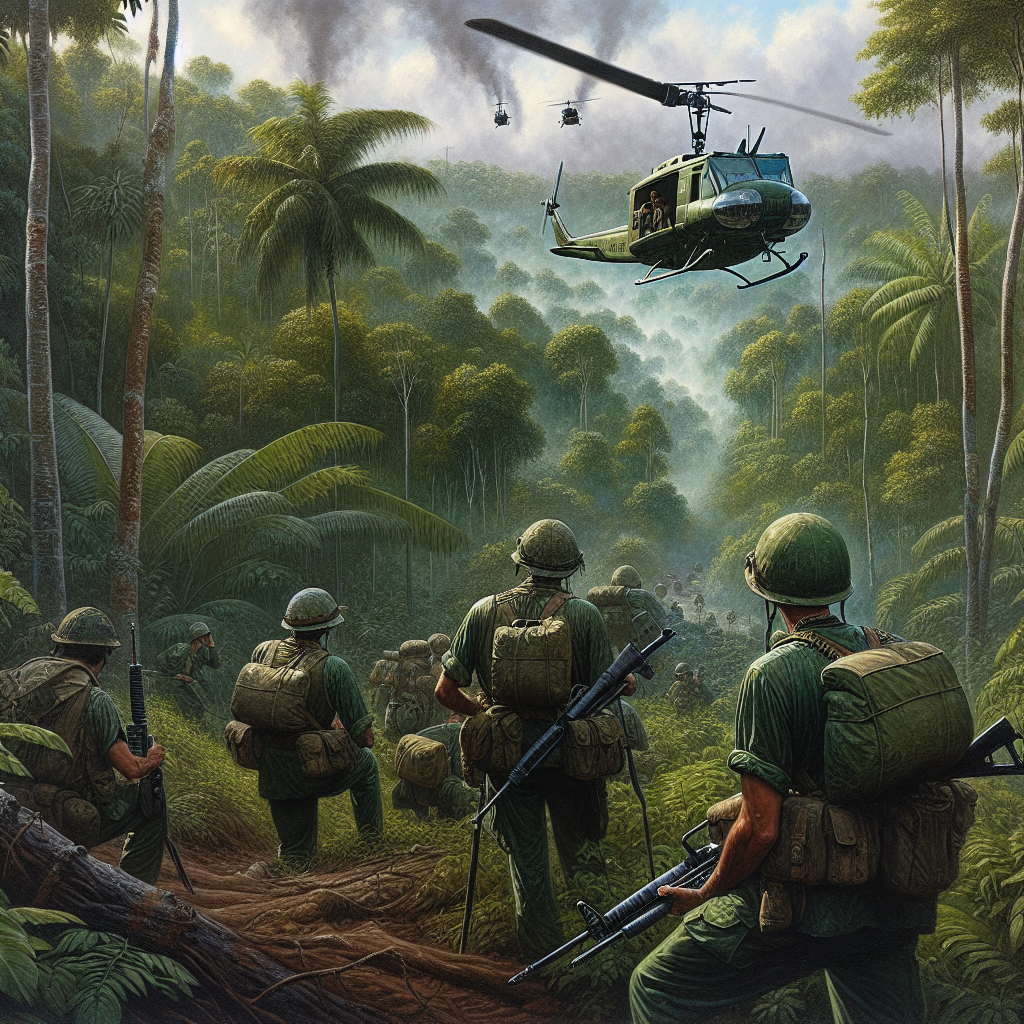
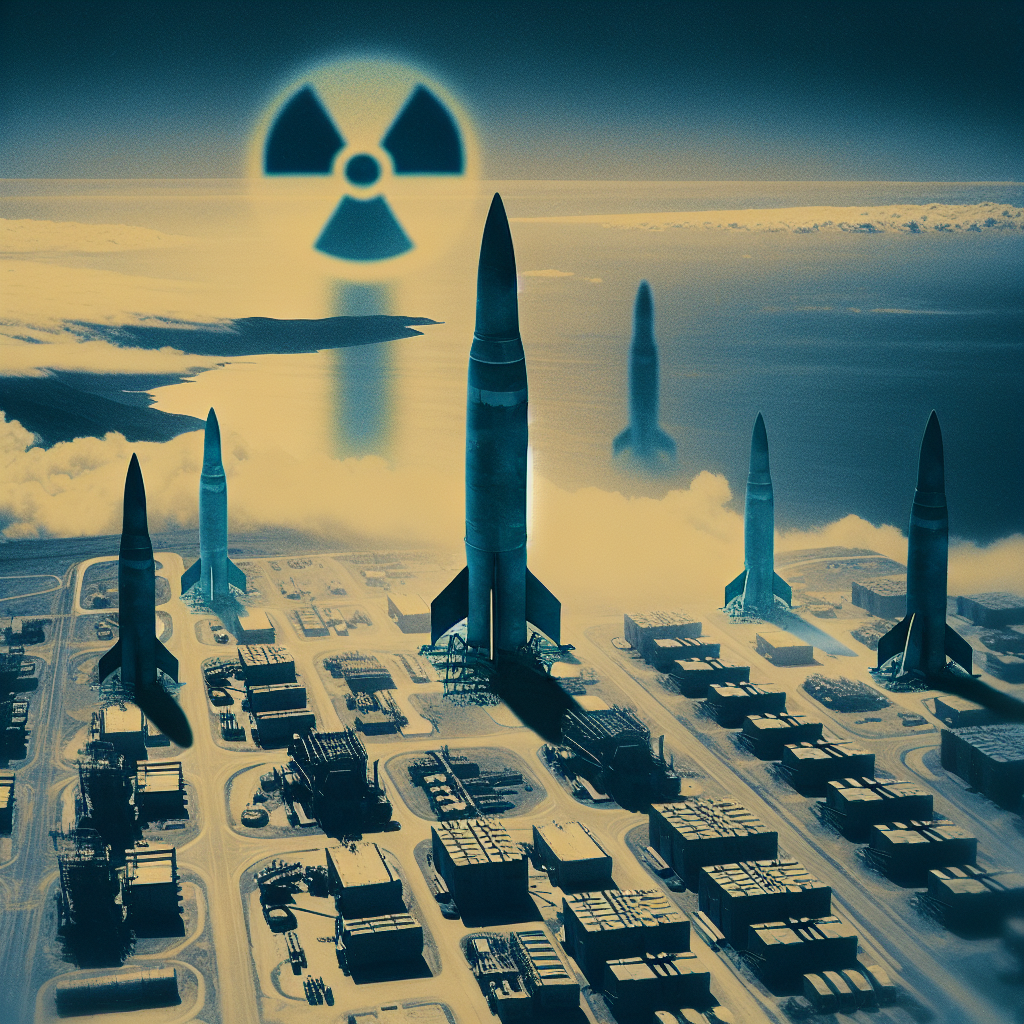
Only weeks later, President-elect John F. Kennedy asked him to run the Pentagon, and McNamara served as secretary of defense from January 1961 to February 1968, longer than anyone else in that job. He brought business methods to the military, using systems analysis and a new budgeting system to compare programs, and he pushed a "flexible response" strategy that relied less on the threat of all-out nuclear war. He was a central adviser during the Cuban Missile Crisis in October 1962. Under Lyndon B. Johnson he became closely identified with Vietnam. He helped shape the response to the Gulf of Tonkin incidents in August 1964 and the escalation that sent hundreds of thousands of U.S. troops to the war.
By 1966 and 1967, McNamara privately doubted that the war could be won and told Johnson so. He ordered a secret internal history of U.S. decision-making in Vietnam that later became known as the Pentagon Papers. He left the Pentagon in February 1968 to become president of the World Bank, which he led until 1981, greatly expanding its lending and turning its focus toward reducing poverty in developing countries. Critics of the Vietnam War held him responsible for an escalation he had come to doubt while continuing to defend it in public. His supporters pointed to his management reforms and his record at the World Bank.
In his 1995 memoir, In Retrospect, McNamara wrote that he and other officials had been "wrong, terribly wrong" about Vietnam. The admission angered both veterans who felt betrayed and antiwar activists who felt it came decades too late. He reflected further on war, error, and decision-making in Errol Morris's documentary The Fog of War, which won the Academy Award for Best Documentary Feature in 2004. In his later years he spoke often about the dangers of nuclear weapons and argued for deep cuts in arsenals. McNamara died on July 6, 2009, at his home in Washington, D.C., at the age of 93, and was buried at Arlington National Cemetery.
Related entries
Across the Brief network
People in this entry, on BriefPeople