The World Bank and IMF
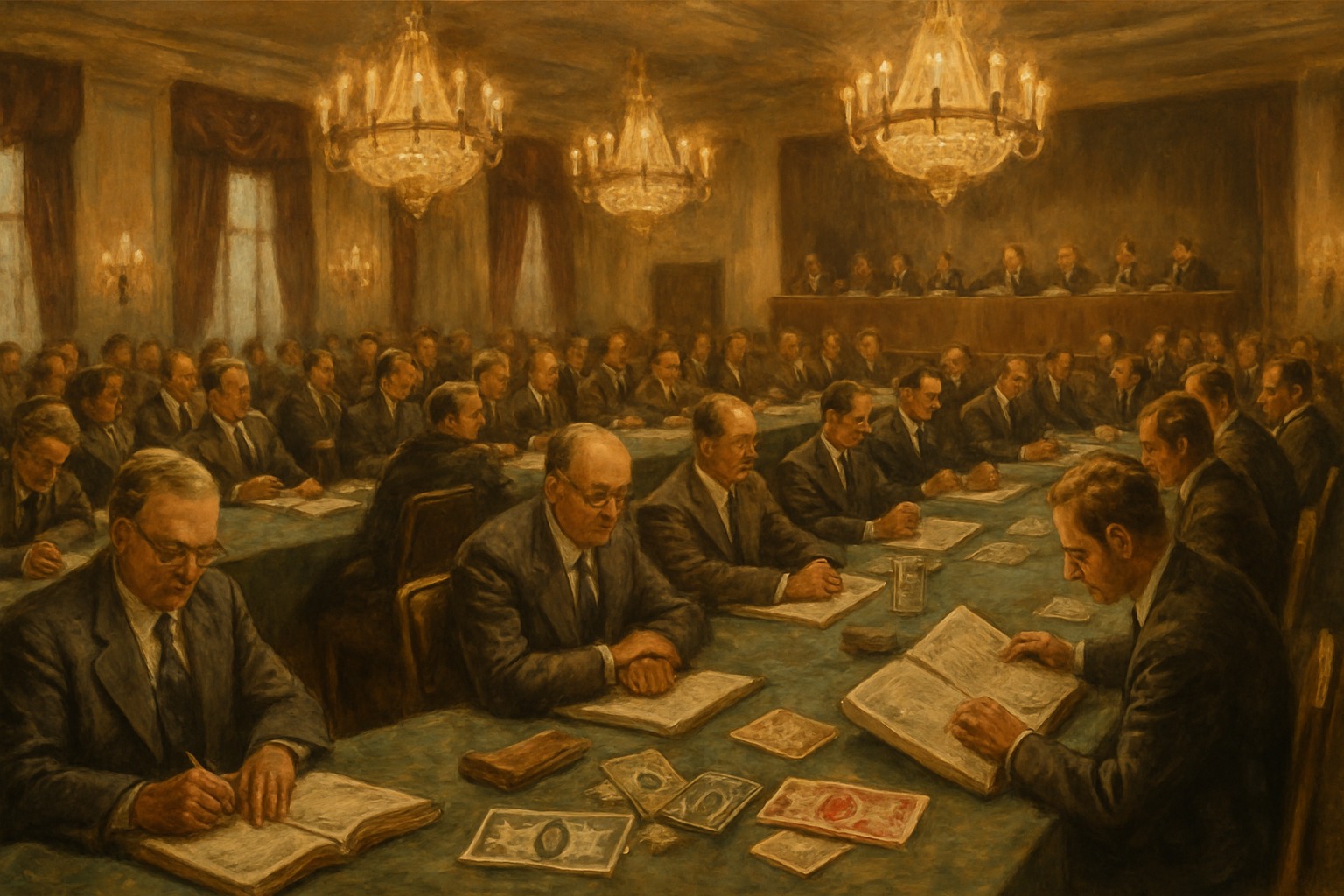
A year before the Second World War ended, delegates from 44 nations gathered at a resort hotel in Bretton Woods, New Hampshire, to design the economic order of the peace to come. Determined to avoid the beggar-thy-neighbor trade wars and financial chaos that had deepened the Great Depression, they created two institutions in July 1944 — the International Monetary Fund, to stabilize currencies and exchange rates, and the World Bank, to finance reconstruction and, later, development. Both were shaped decisively by American money and American aims.
At the heart of the system sat the U.S. dollar, fixed to gold and serving as the anchor to which other currencies were pegged. For nearly three decades this arrangement gave the postwar world a stable framework for trade and investment, with the IMF standing ready to lend to countries in balance-of-payments trouble. The structure held until 1971, when President Nixon ended the dollar's convertibility to gold, unmooring exchange rates and pushing the IMF into a new role as an emergency lender to nations in financial crisis.
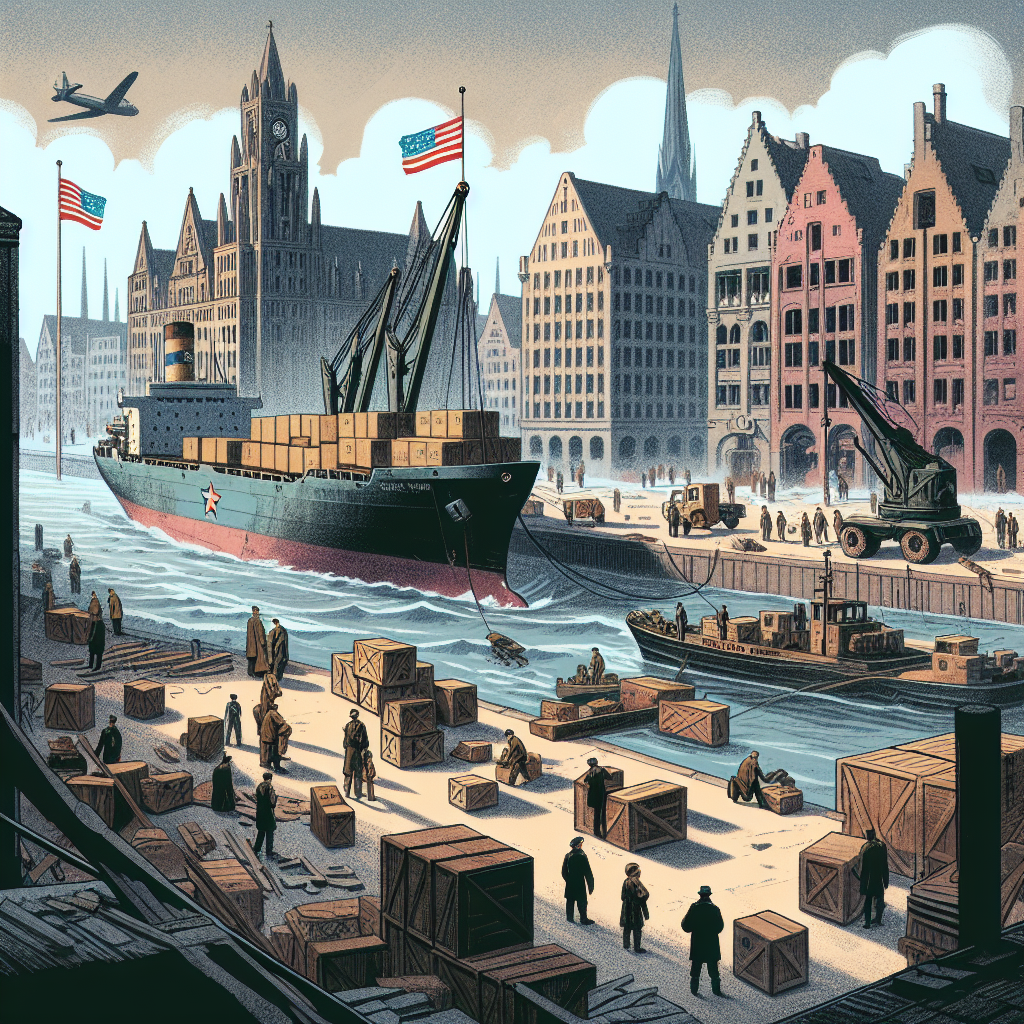
The two institutions divided the world's economic labor. The World Bank shifted from rebuilding war-torn Europe to funding roads, dams, and development across poorer nations, while the IMF became the lender of last resort whose loans came wrapped in conditions. Both were headquartered in Washington and weighted toward the wealthy nations that funded them — the United States, as the largest shareholder, held effective veto power over the IMF's biggest decisions.
That dominance made them lightning rods. Critics charged that the loans came with harsh austerity requirements, that the terms served Western interests, and that the institutions reflected a world order designed in 1944 rather than the one that existed decades later. Defenders credited them with stabilizing currencies, financing development, and preventing crises from spiraling. Whatever the verdict, the Bretton Woods twins remain central pillars of the American-led global economy — proof of how thoroughly the United States shaped the postwar world.

| Founded | 1944 (Bretton Woods Conference) |
| Location | Washington, D.C. |
| World Bank | Reconstruction and development lending |
| IMF | Monetary stability and crisis lending |
| Largest shareholder | The United States |
| Key change | Nixon ends dollar-gold convertibility, 1971 |
| Date | Founded 1944 |
| Location | Washington, D.C. |