Reagan Assassination Attempt
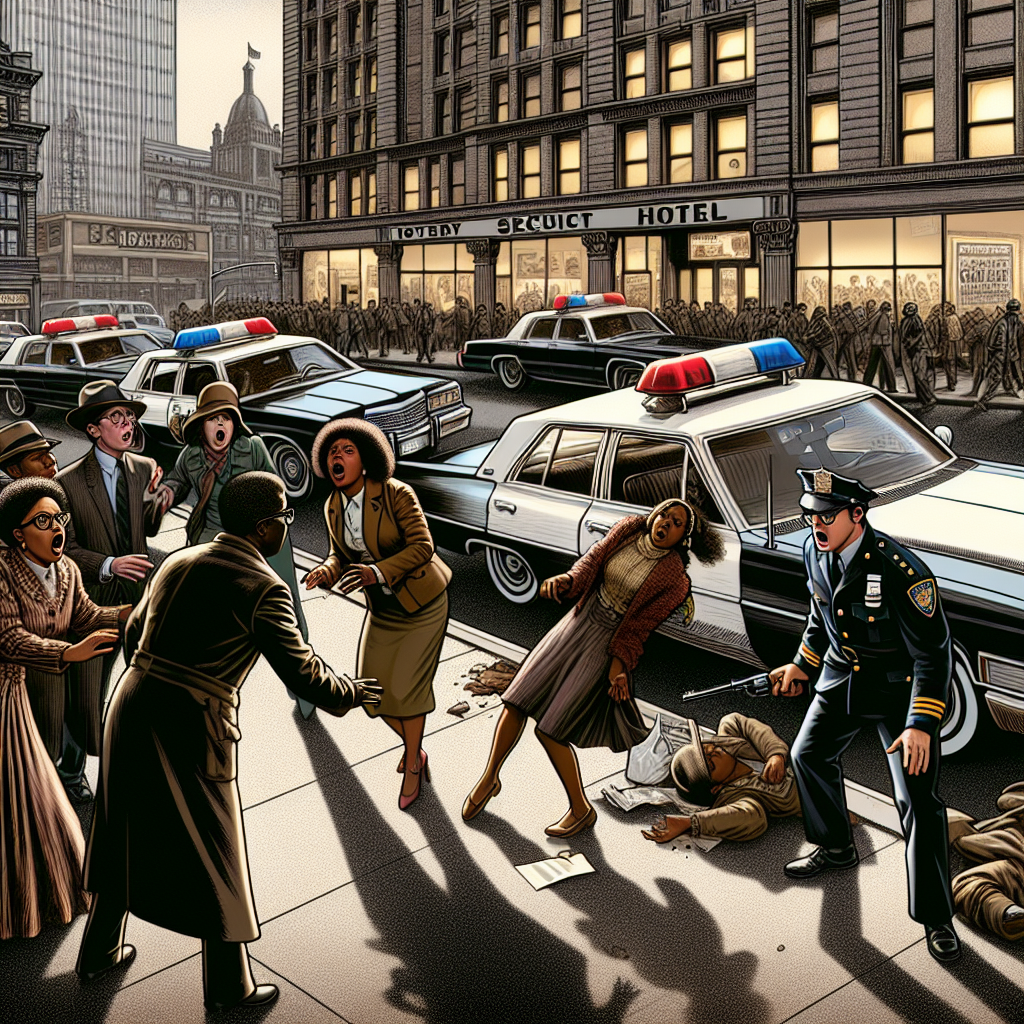
Sixty-nine days into his presidency, Ronald Reagan walked out of the Washington Hilton hotel on March 30, 1981, and was shot by John Hinckley Jr., a 25-year-old drifter obsessed with the film Taxi Driver. Hinckley fired six shots in roughly two seconds. One bullet struck Reagan under his left arm, deflected off a rib, and lodged an inch from his heart. Reagan was 70 years old — the oldest president to that point — and was within minutes of dying on the operating table before surgeons reached the bullet.
The shooting exposed deep uncertainty about presidential succession. While Reagan was in surgery, Secretary of State Alexander Haig told reporters "I am in control here" — constitutionally incorrect and immediately alarming. Press Secretary James Brady, shot through the head, survived with permanent brain damage; his long advocacy for gun control produced the Brady Handgun Violence Prevention Act of 1993, requiring federal background checks on firearm purchases. It was the most significant federal gun legislation in a generation.
Hinckley, who claimed he shot Reagan to impress actress Jodie Foster, was found not guilty by reason of insanity — a verdict that shocked the country and drove 34 states to tighten their insanity defense standards within three years. Reagan's recovery was swift and his composure throughout became part of his public mythology. "Honey, I forgot to duck," he told Nancy in the emergency room. He was back at the White House within two weeks.

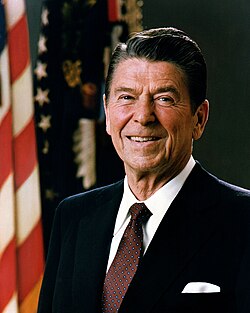


| Target | President Ronald Reagan (40th President) |
| Date | March 30, 1981 — Washington Hilton Hotel, Washington, D.C. |
| Attacker | John Hinckley Jr. (age 25) |
| Also Wounded | Press Secretary James Brady (permanent brain damage); two officers |
| Reagan's Recovery | Discharged from hospital April 11, 1981 |
| Hinckley's Fate | Not guilty by reason of insanity; institutionalized; released 2016 |
| Legislative Legacy | Brady Handgun Violence Prevention Act, signed 1993 |
| Date | March 30, 1981 |
| Location | Washington, D.C. |