Charles Curtis
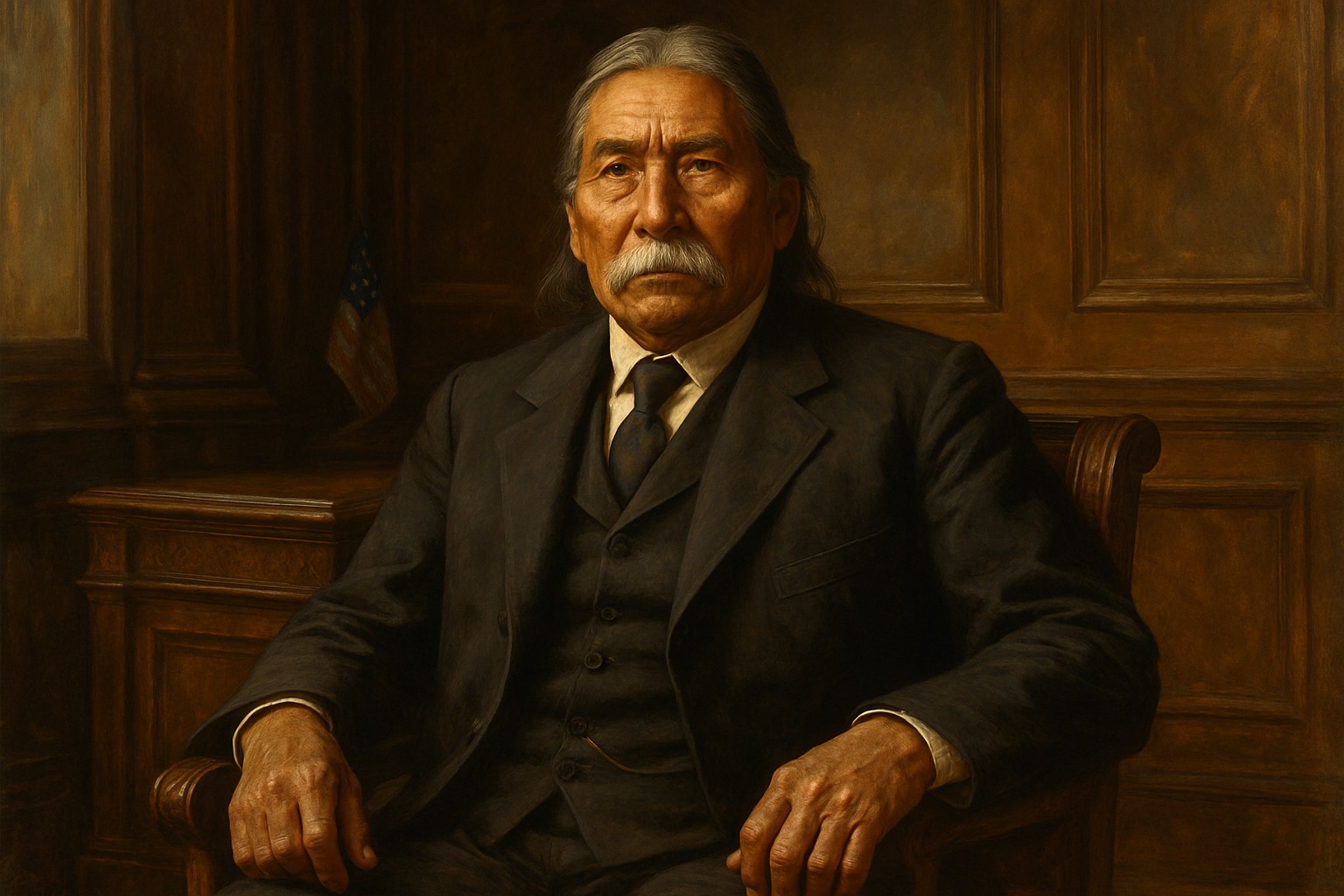
When Charles Curtis took the oath as vice president in March 1929, the man standing a heartbeat from the presidency had spent part of his childhood on the Kaw reservation in Kansas, speaking Kansa and French before he learned much English. His mother was of Kaw, Osage, and Potawatomi descent, and he remained an enrolled member of the Kaw Nation his entire life. No person of acknowledged Native American ancestry had ever climbed so high in the federal government, and none of color had reached the second office of the republic.
His path ran through Kansas politics at every level. Raised partly by his grandmothers — one on the reservation, one in Topeka — he worked as a jockey and a hack driver before reading law and winning election as a county prosecutor. He reached the U.S. House in 1893 and the Senate in 1907, where his talent was not oratory but the patient mechanics of legislating. Colleagues called him a master of the cloakroom, a vote-counter who could assemble a majority, and in 1925 his party made him Senate majority leader.
His record on Native policy was knotted with contradiction. As a congressman he authored the Curtis Act of 1898, which extended allotment to the Five Tribes of Indian Territory, dissolved their tribal courts, and hastened the breakup of communal lands that opened the way to Oklahoma statehood. Curtis presented assimilation as the route to survival and citizenship for Native people, the same logic that had shaped his own life. Later historians and many Native critics read the law instead as a blow to tribal sovereignty delivered, painfully, by one of their own.
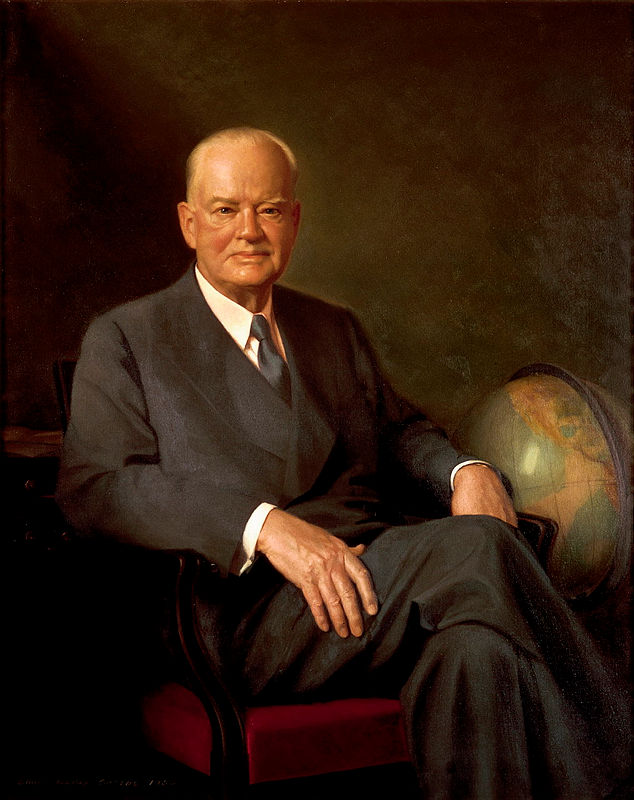
The vice presidency itself gave him little to do. Herbert Hoover kept his distance, and the office offered scant power as the economy collapsed into the Great Depression after October 1929. Curtis presided over the Senate, attended ceremonies, and was dropped from no ticket only because the pair lost decisively to Franklin Roosevelt in 1932. He returned to law practice in Washington and died there in 1936, a singular figure whose ascent and whose legislative legacy still resist a simple verdict.
| Born | January 25, 1860, Topeka, Kansas |
| Heritage | Enrolled member of the Kaw (Kansa) Nation |
| Congress | U.S. House 1893, U.S. Senate 1907 |
| Senate Role | Majority leader, 1925–1929 |
| Vice President | 1929–1933, under Herbert Hoover |
| First | First U.S. vice president of Native American ancestry |
| Died | February 8, 1936, Washington, D.C. |
| Date | 1860–1936 |
| Location | Topeka, Kansas |