American Civil War
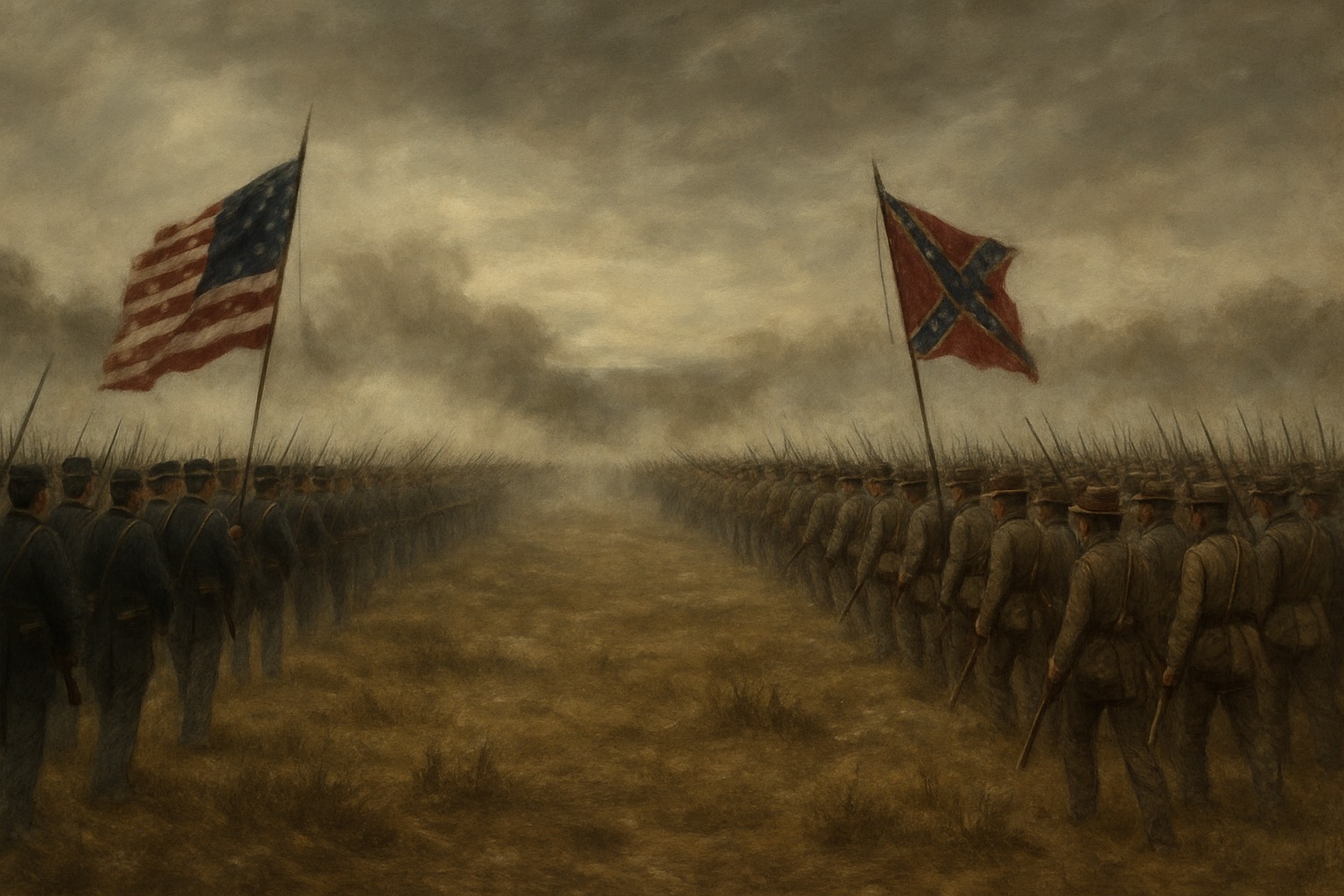
Eleven Southern states left the Union rather than accept a president pledged to halt the spread of slavery, and the war that answer brought killed more Americans than any other conflict in the nation's history. Between April 1861 and the spring of 1865, an estimated 750,000 soldiers died — a toll that exceeded American losses in both World Wars combined. What began as a Northern fight to restore the Union became, by 1863, a war to end slavery itself.
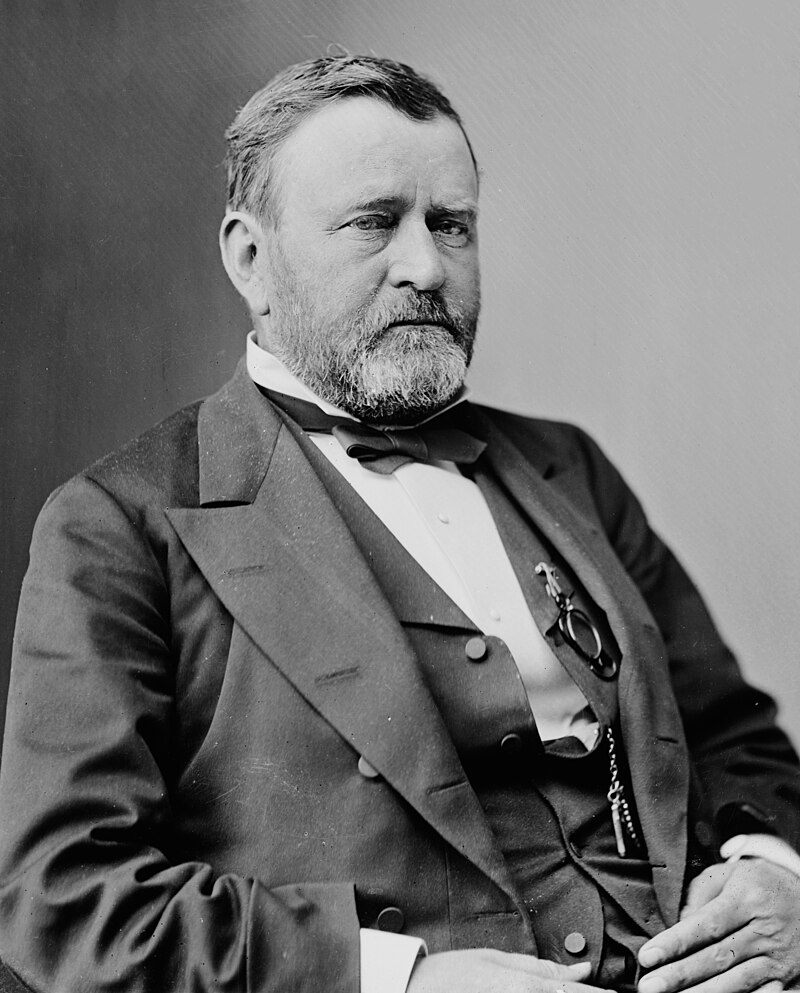
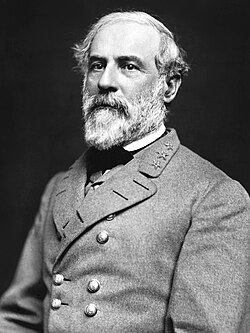
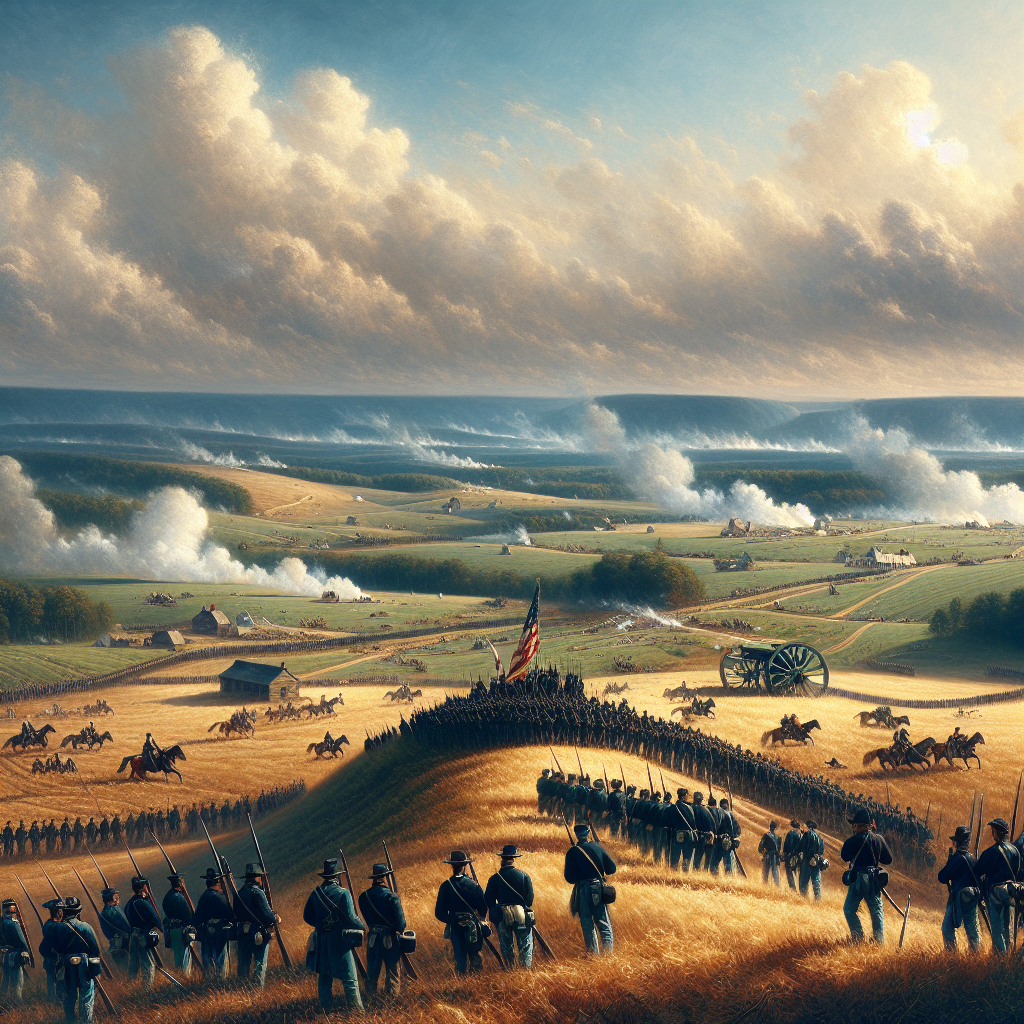
The Confederacy gambled that Northern resolve would crack before its own resources did. Instead, the Union's advantages in manpower, railroads, and industry told over four grinding years. The turning point came in July 1863, when Robert E. Lee's invasion of the North failed at Gettysburg as Ulysses S. Grant took Vicksburg and split the Confederacy along the Mississippi. Grant's relentless campaigns in Virginia and William Tecumseh Sherman's march through Georgia then wore the South down to surrender.
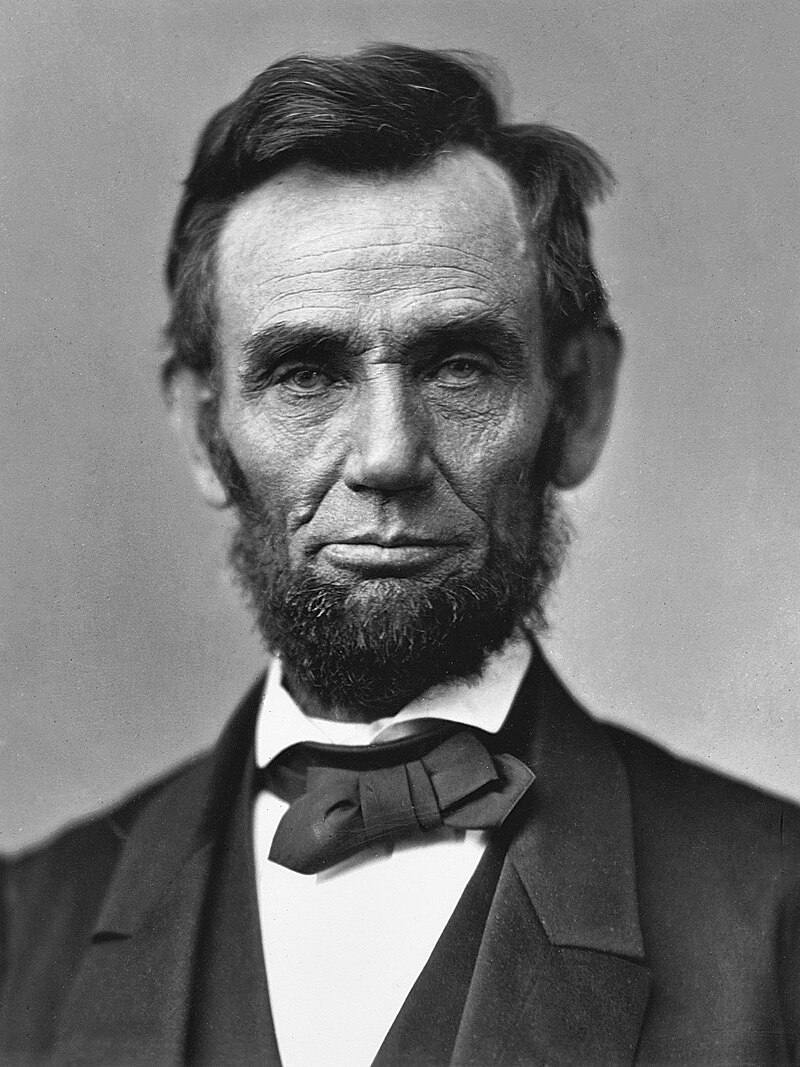
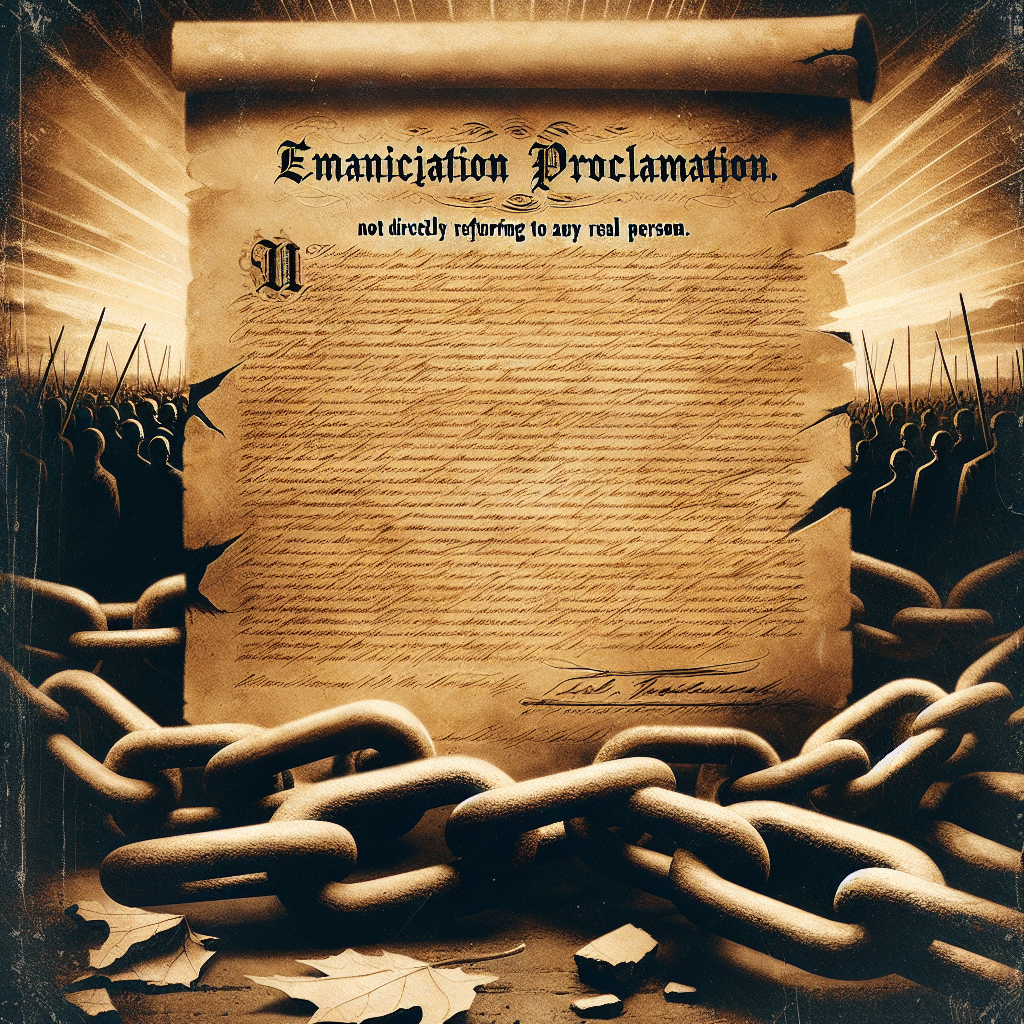
Emancipation reshaped the war's meaning. Lincoln's Emancipation Proclamation of January 1863 turned Union armies into agents of liberation and opened their ranks to roughly 180,000 Black soldiers. When Lee surrendered to Grant at Appomattox Court House in April 1865, the question of secession was settled by force and slavery was effectively dead, soon confirmed by the Thirteenth Amendment.
The cost did not end at Appomattox. Lincoln was assassinated within days of the surrender, and the unfinished work of rebuilding the South and defining Black citizenship passed to a bitter Reconstruction. The war preserved a single American nation and ended slavery, but the terms of racial justice it raised were left for later generations to fight over.


| Dates | April 12, 1861 – Spring 1865 |
| Belligerents | United States (Union) vs. Confederate States |
| Trigger | Secession of Southern states after the 1860 election |
| Deaths | Approximately 750,000 soldiers |
| Turning Point | Gettysburg and Vicksburg, July 1863 |
| Ended | Lee's surrender at Appomattox, April 1865 |
| Outcome | Union preserved; slavery abolished |
| Date | April 12, 1861 – Spring 1865 |
| Location | United States |