The United States Postal Service
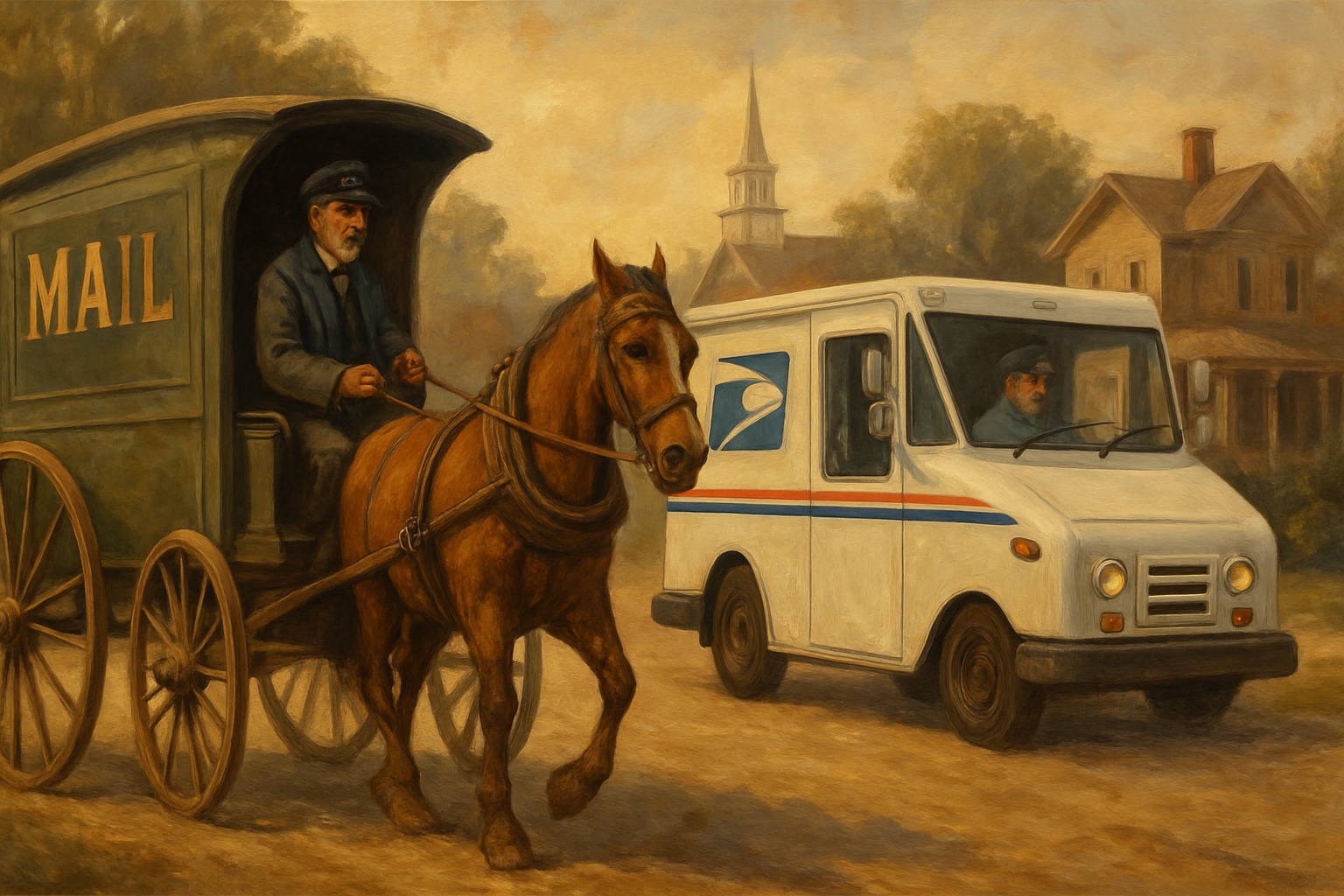
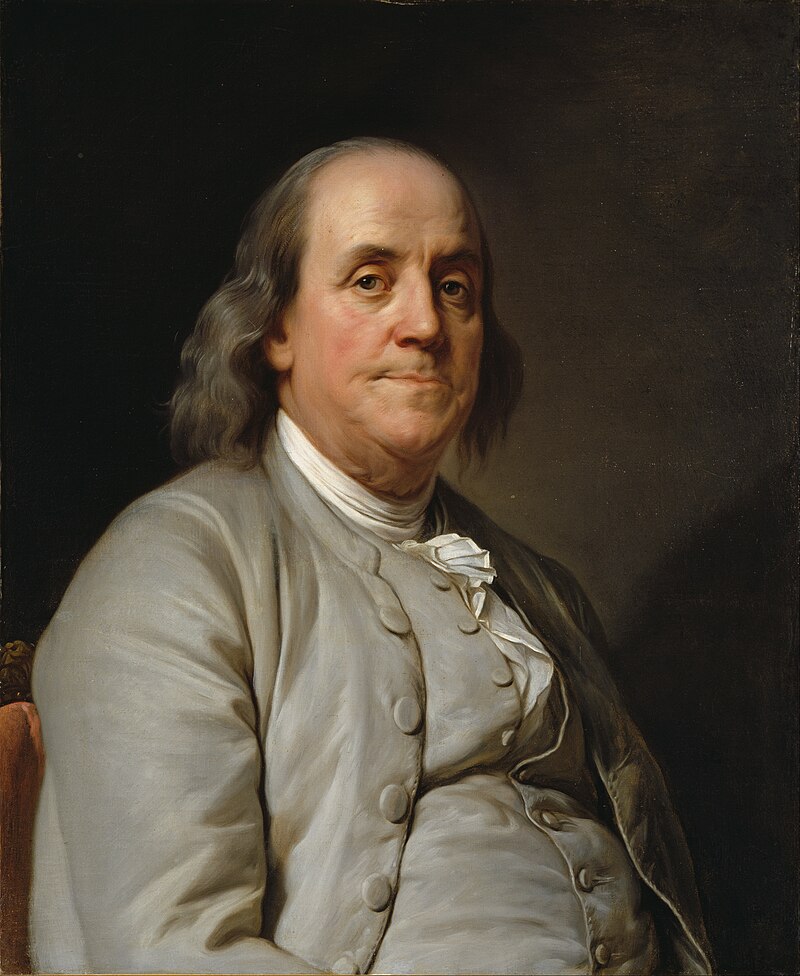
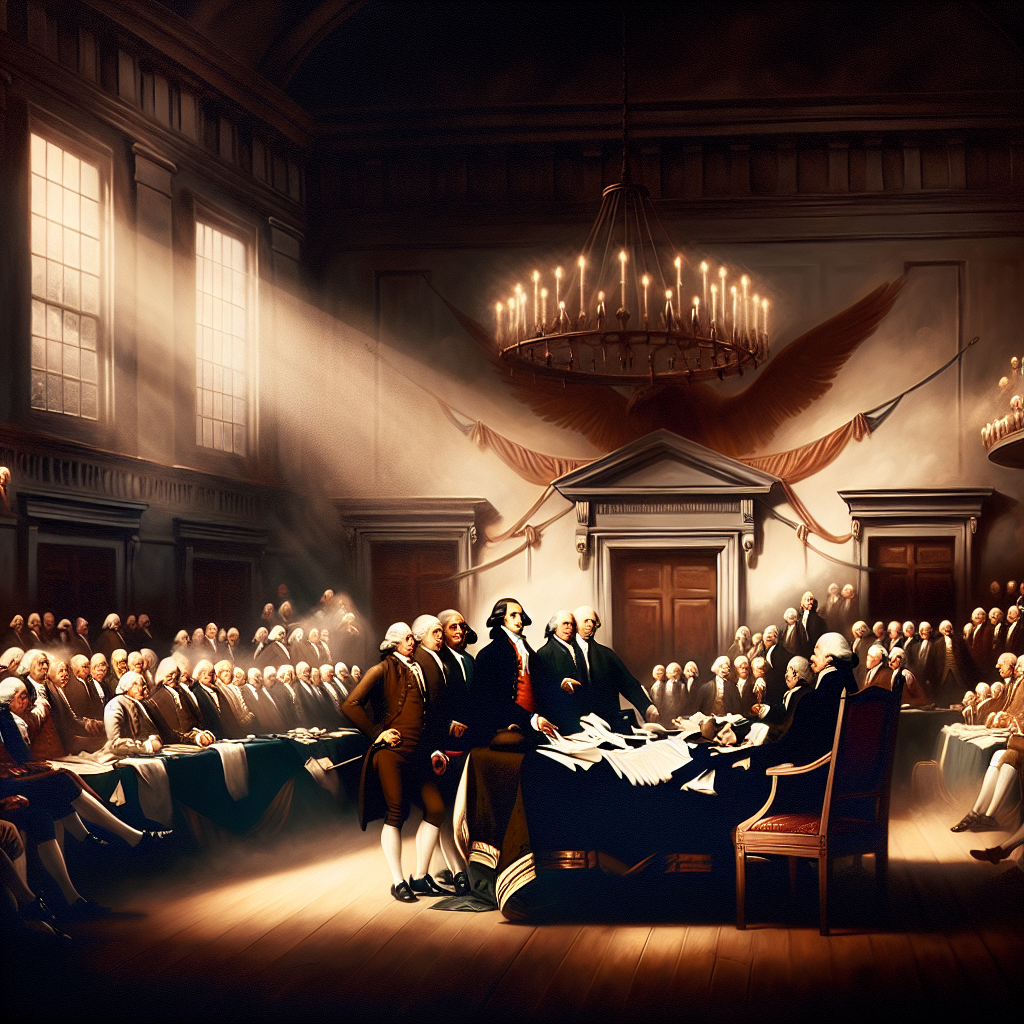
The American postal system is older than the United States itself. In July 1775, a year before independence, the Second Continental Congress created a national post and named Benjamin Franklin the first Postmaster General, uniting the colonies' mail routes into a single network beyond British control. Communication was the sinew of revolution — newspapers, committees of correspondence, and orders to distant militias all traveled by post — and the founders treated a reliable mail as essential enough to write a postal power directly into the Constitution.
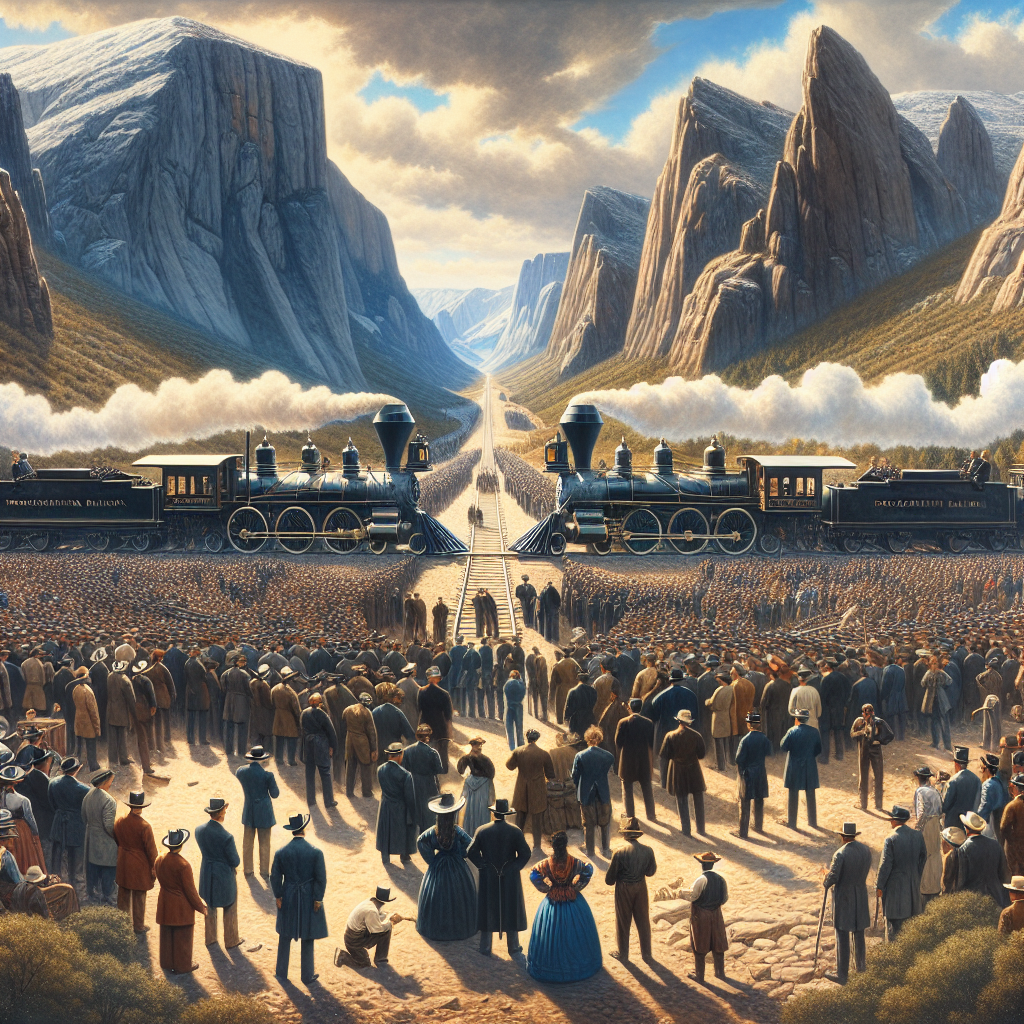
For most of the nation's history the Post Office was the federal government most Americans ever touched. It carried letters and, crucially, newspapers at deep subsidy, spreading information across a vast and thinly settled country. Post roads dictated where towns rose, postal contracts underwrote the stagecoaches, steamboats, and railroads that stitched the continent together, and the brief, romantic Pony Express and the later Rural Free Delivery pushed the mail into the remotest corners. Cheap, universal postage was a deliberate act of nation-building, meant to make distant citizens feel part of one republic.
For nearly two centuries the Post Office Department sat in the president's Cabinet, its local postmasterships handed out as political patronage. Mounting deficits and a 1970 strike by underpaid postal workers — the largest wildcat strike in American history — forced a reckoning. The Postal Reorganization Act of 1970 abolished the Cabinet department and replaced it in 1971 with the United States Postal Service, an independent agency expected to cover its costs from postage rather than taxes and run by professionals instead of patronage appointees.
The Postal Service remains bound by a universal-service obligation unlike any private carrier's: it must deliver to every American address, however remote, at a uniform price. That mandate, honored across some 160 million delivery points, makes it one of the most trusted and most used federal institutions even as email and private couriers erode its letter business. Its recurring financial crises spark perennial debate over whether the mail is a business that should break even or a public service the republic guarantees — a question as old as Franklin's post.

| Founded | July 26, 1775 (Second Continental Congress) |
| First Postmaster General | Benjamin Franklin |
| Constitutional basis | Article I postal power |
| Reorganized | 1971 (Postal Reorganization Act of 1970) |
| Status | Independent federal agency |
| Mandate | Universal service to every address at a uniform price |
| Delivery points | ~160 million |
| Date | Founded July 26, 1775 |
| Location | Washington, D.C. |