Amazon
Jeff Bezos started Amazon in a Seattle garage in 1994 with a narrow idea and a vast ambition. He began by selling books online, a product easy to ship and impossible for any physical store to stock completely, but he always intended to build what he called the everything store. Obsessed with customer convenience and willing to forgo profits for years to fund growth, he turned a website into the dominant force in American retail.
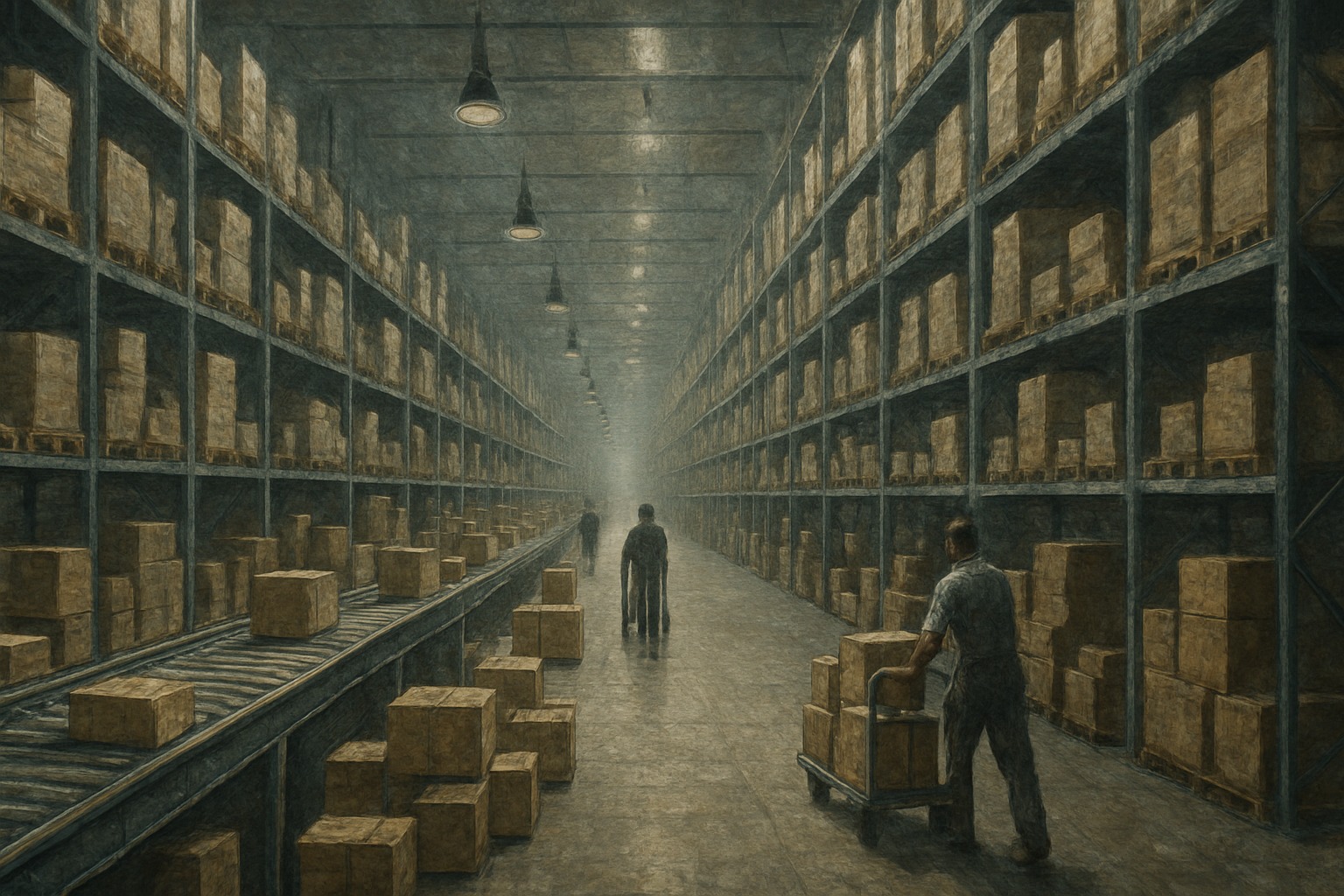
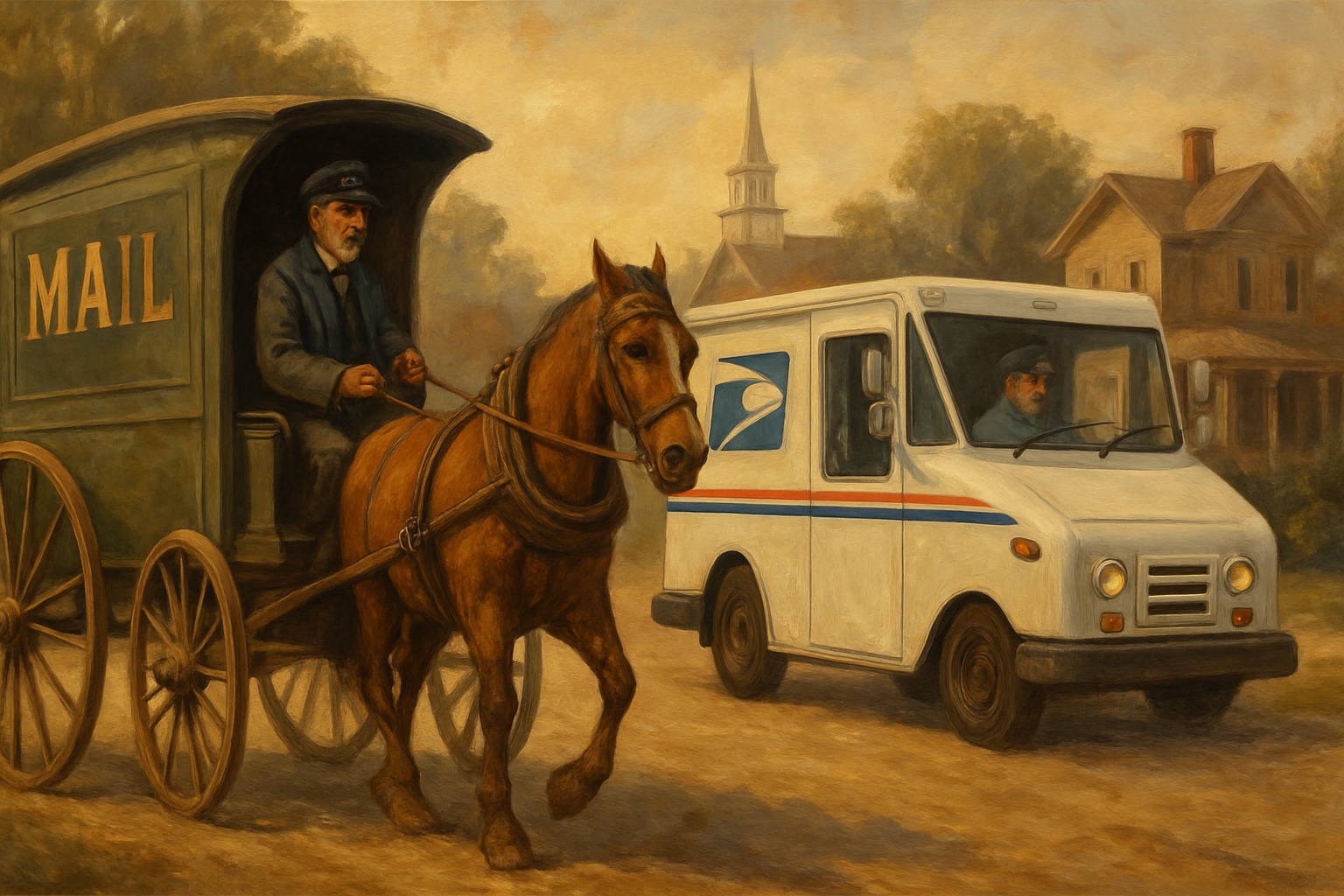
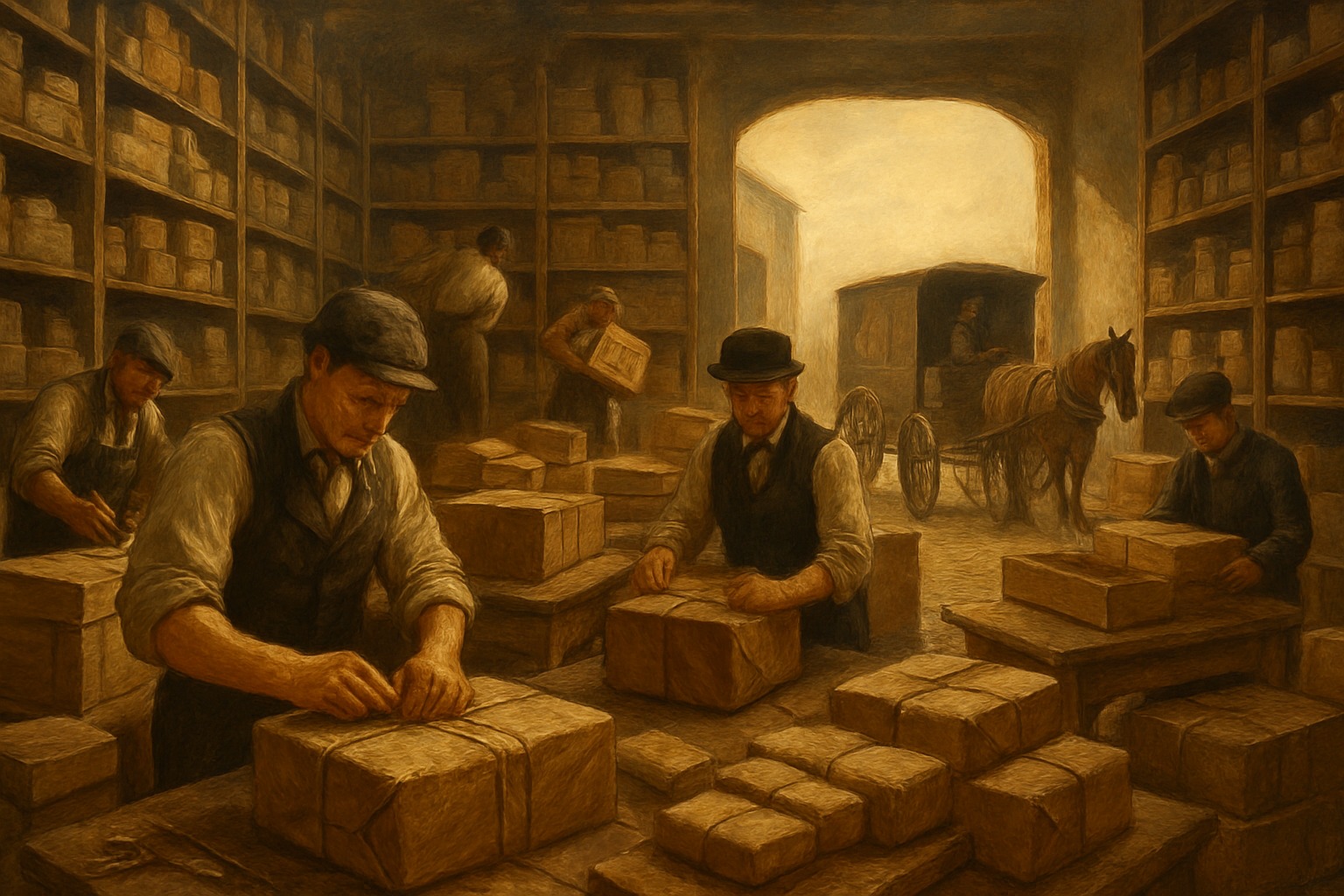
Amazon perfected the mail-order idea that Sears had pioneered a century earlier and aimed it at the internet age. Fast, cheap delivery, the subscription program called Prime, and a sprawling network of warehouses and delivery vehicles reshaped how Americans shopped and helped drive storied retailers, Sears among them, toward collapse. The company grew into a logistics empire that moved a significant share of the nation's goods.
Its most profitable business, though, was invisible to shoppers. Amazon Web Services, launched to rent out the company's own computing power, became the backbone of much of the internet and a cash engine that funded Amazon's expansion into groceries, streaming, devices, and artificial intelligence. Bezos rode the company to become, for a time, the richest person in the world.
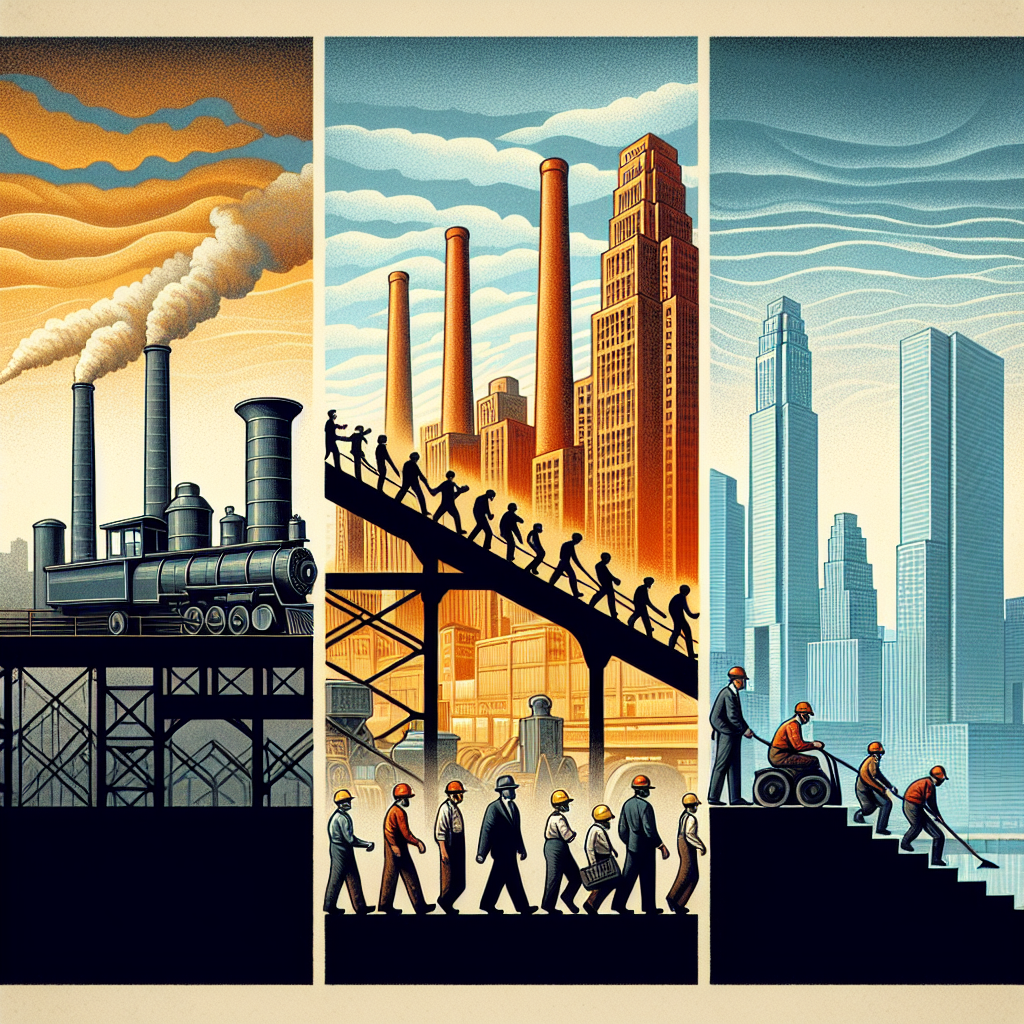
That dominance brought scrutiny. Critics attacked the grueling conditions and pace of work in Amazon's warehouses, its power over the suppliers and sellers dependent on its platform, and its sheer scale. From books to cloud computing, Amazon's history traces the reordering of the economy around e-commerce and the internet — and the new questions of labor and market power that came with it.

| Founded | 1994, Seattle |
| Founder | Jeff Bezos |
| Origin | Online bookstore |
| Grew into | "The everything store" |
| Cloud | Amazon Web Services (AWS) |
| Note | Reshaped retail and logistics |
| Date | Founded 1994 |
| Location | Seattle, Washington |