Standard Oil
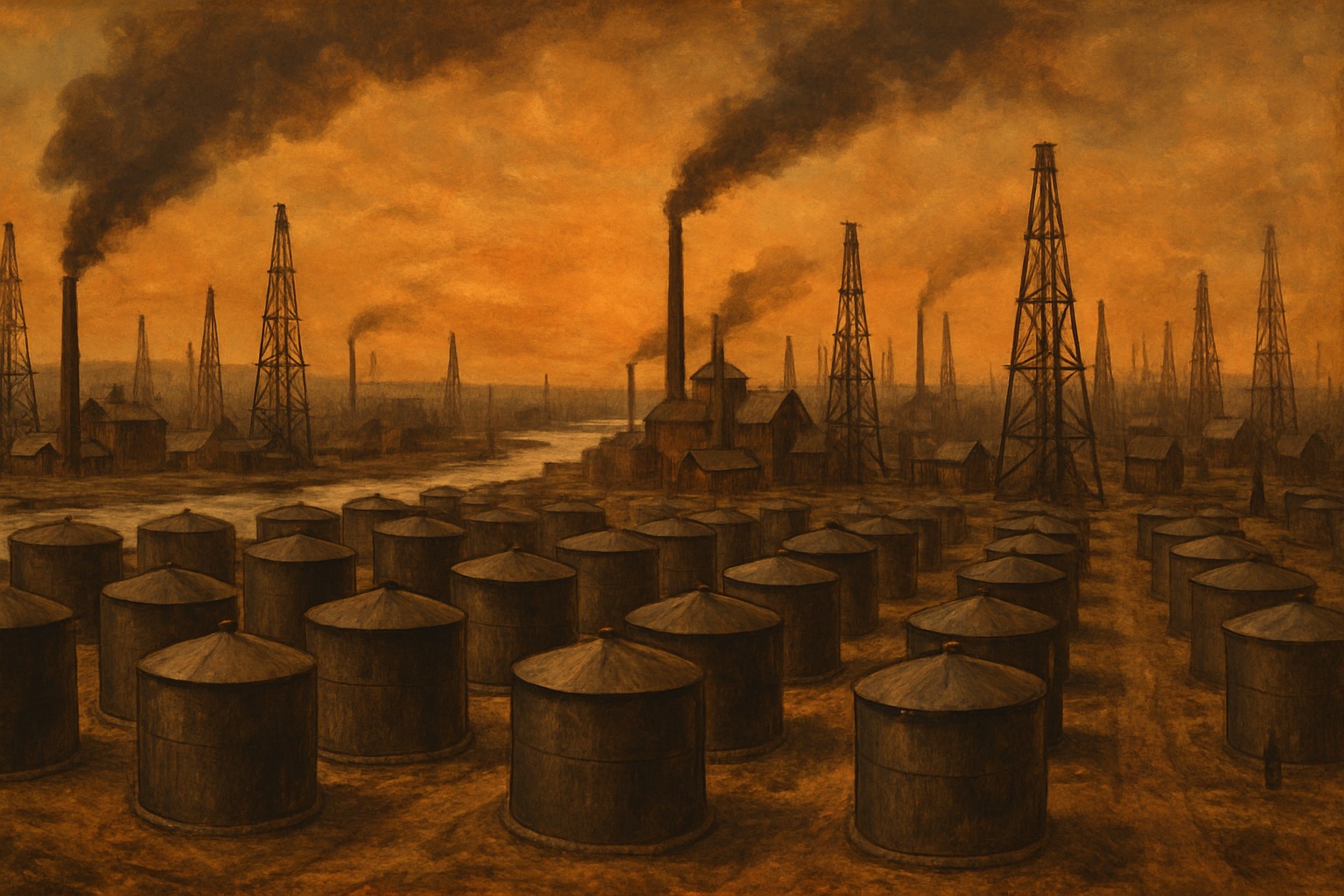
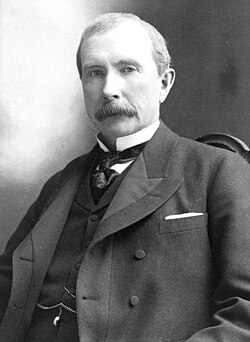
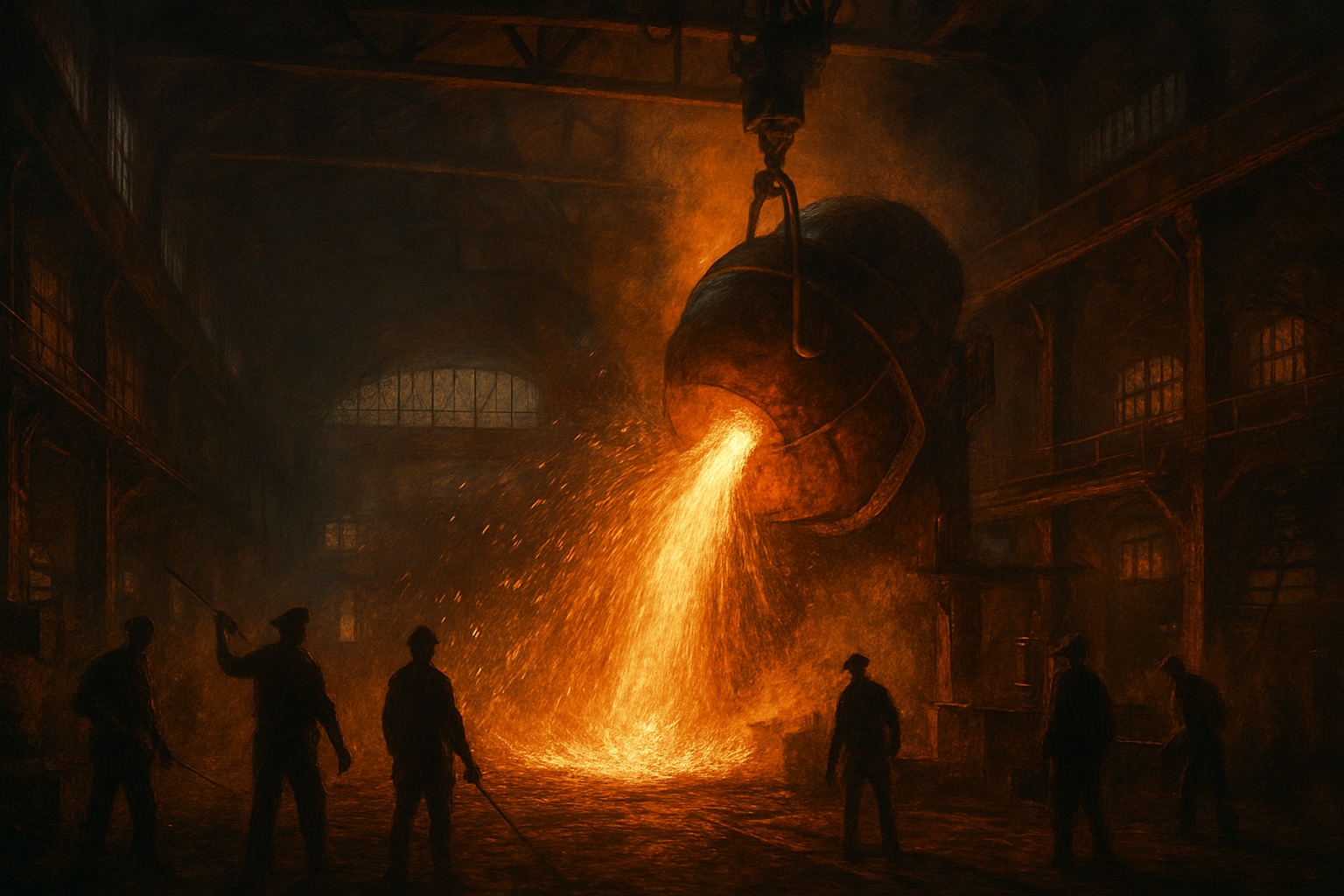
John D. Rockefeller did not invent the oil business — he organized it into submission. Founding Standard Oil in Ohio in 1870, he set out to bring order to the chaotic, boom-and-bust world of oil refining through relentless efficiency and ruthless dealing. He negotiated secret rebates from railroads, undercut rivals until they sold out, and folded competitor after competitor into his combine. Within a decade Standard Oil controlled roughly ninety percent of American refining, one of the tightest monopolies the country had ever seen.
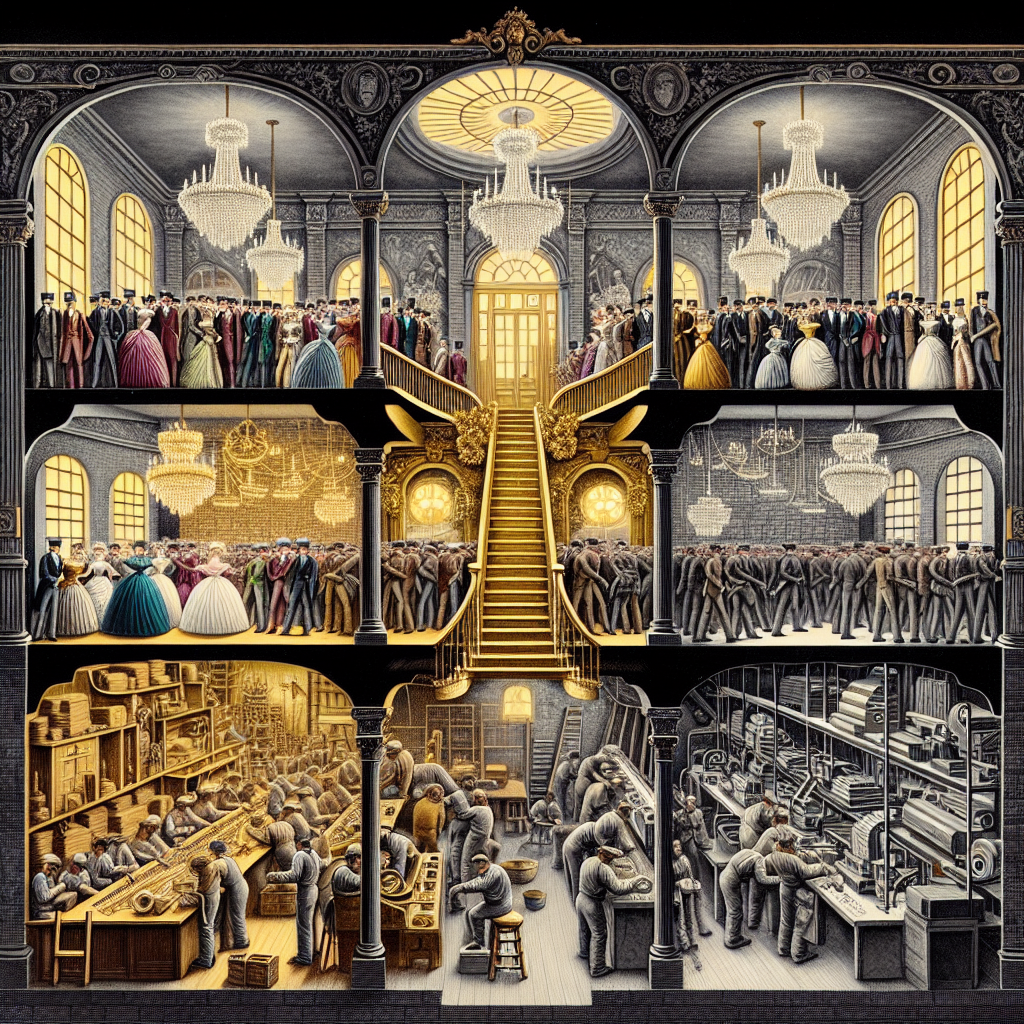
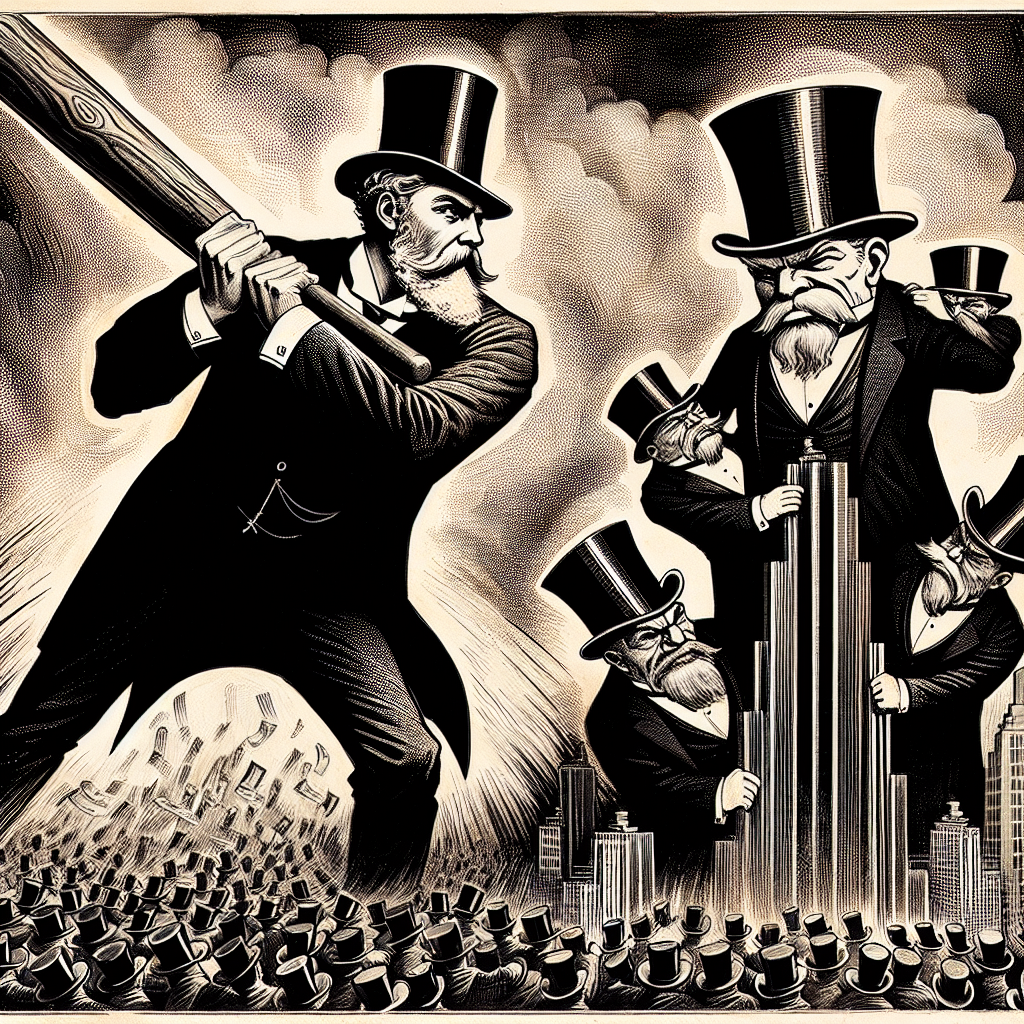
The company's signature innovation was legal as much as industrial. In 1882 Rockefeller's lawyers organized the sprawling combine as a trust, placing dozens of nominally separate companies under a single board of trustees. The structure concealed the true reach of the monopoly and gave the English language a new word for concentrated corporate power. Standard Oil became the era's defining symbol of the trust — admired for its efficiency, feared for its dominance, and resented for the smaller businessmen it crushed along the way.
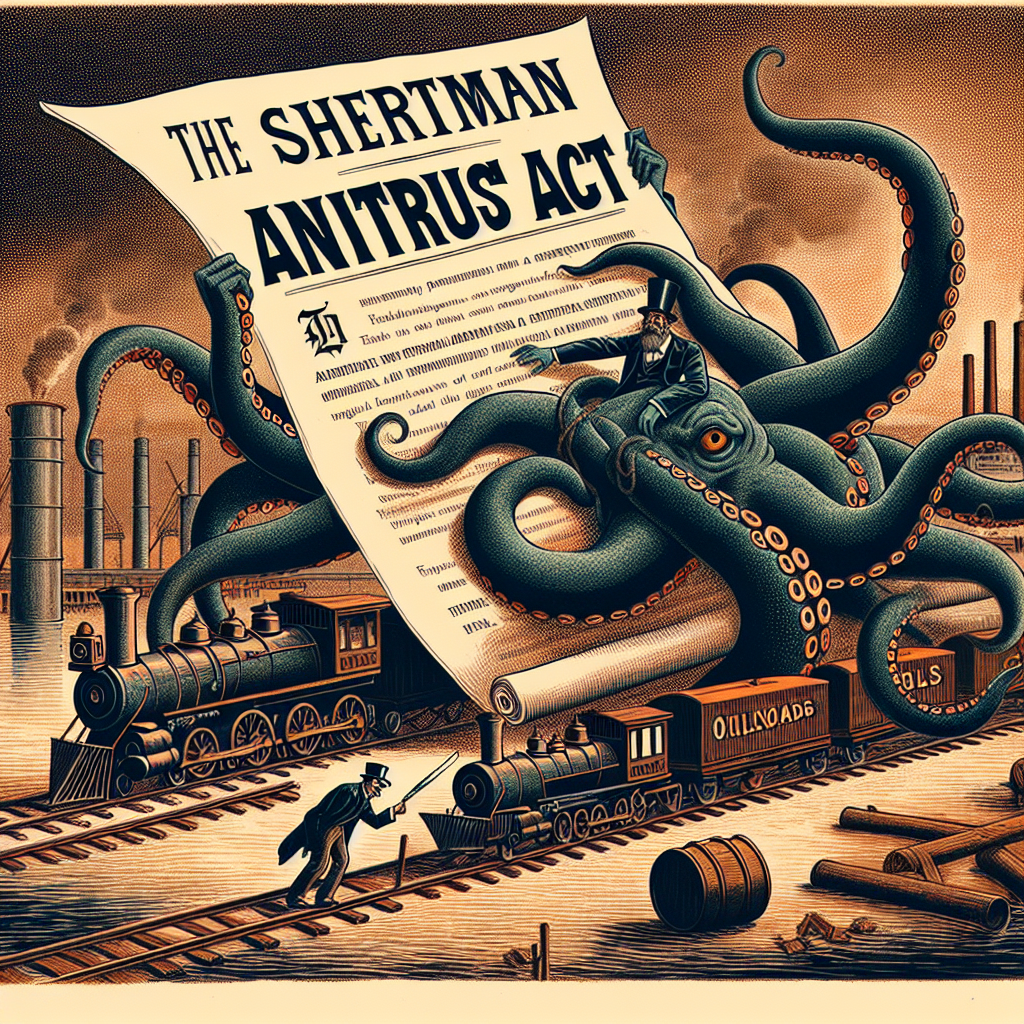
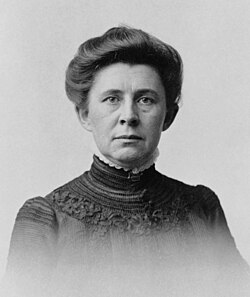
The backlash built slowly and then broke. The journalist Ida Tarbell, whose father had been ruined by Standard Oil's tactics, published a devastating investigative history of the company beginning in 1902 that fixed it in the public mind as the archetype of the predatory monopoly. Congress had passed the Sherman Antitrust Act in 1890, and in 1911 the Supreme Court finally used it to order Standard Oil broken into 34 separate companies, ruling that its restraint of trade was unreasonable.
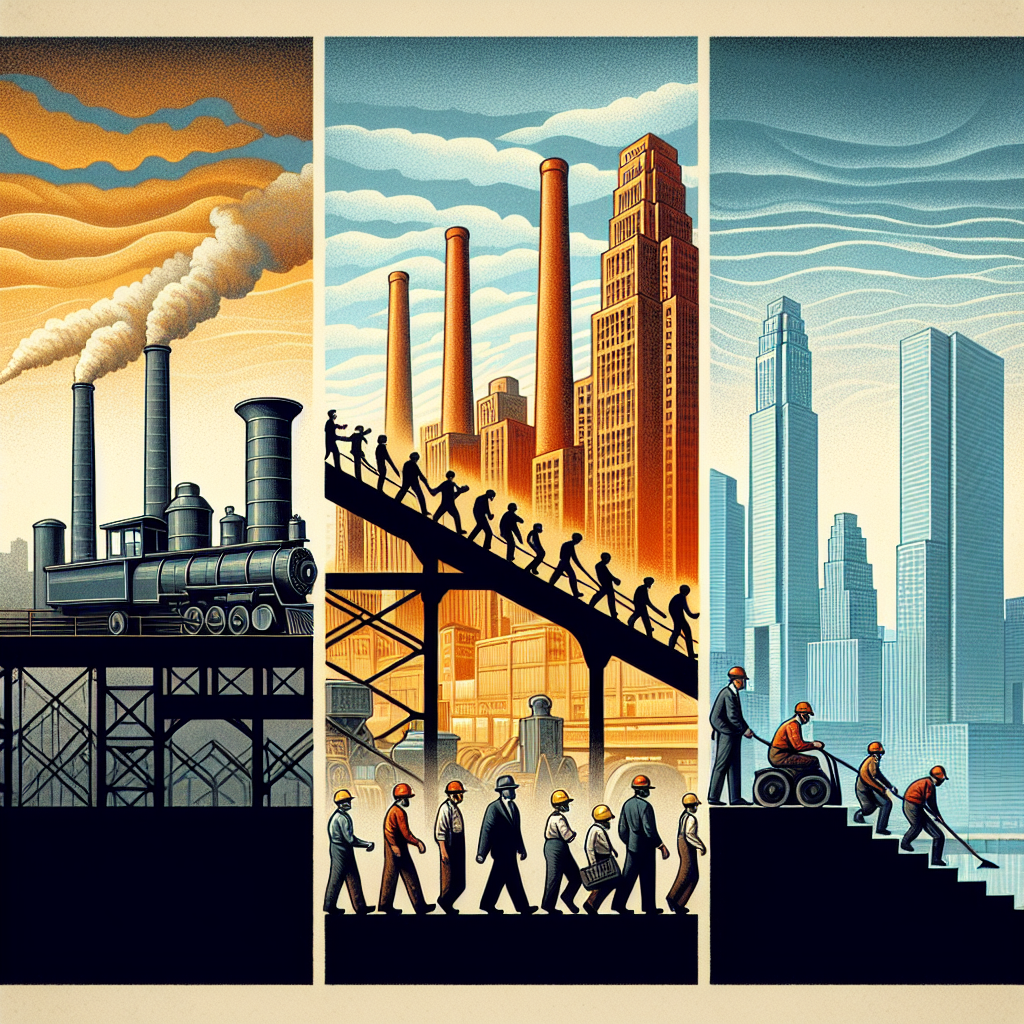
The breakup did little to shrink Rockefeller's fortune — it multiplied it, as shares in the successor companies soared. Those successors became giants in their own right, among them the firms later known as Exxon, Mobil, Chevron, and Amoco. Rockefeller turned to philanthropy on an unprecedented scale, funding medical research, universities, and public health. Standard Oil left a double legacy: the modern petroleum industry, and the antitrust tradition built expressly to prevent another company from ever growing quite so powerful.
| Founded | 1870, Ohio |
| Founder | John D. Rockefeller |
| Peak share | ~90% of U.S. oil refining |
| Structure | Organized as a trust in 1882 |
| Exposé | Ida Tarbell's history of the company, 1902–1904 |
| Broken up | 1911, by the U.S. Supreme Court, into 34 companies |
| Descendants | Exxon, Mobil, Chevron, Amoco, and others |
| Date | 1870–1911 |
| Location | Cleveland, Ohio |