The Industrial Workers of the World
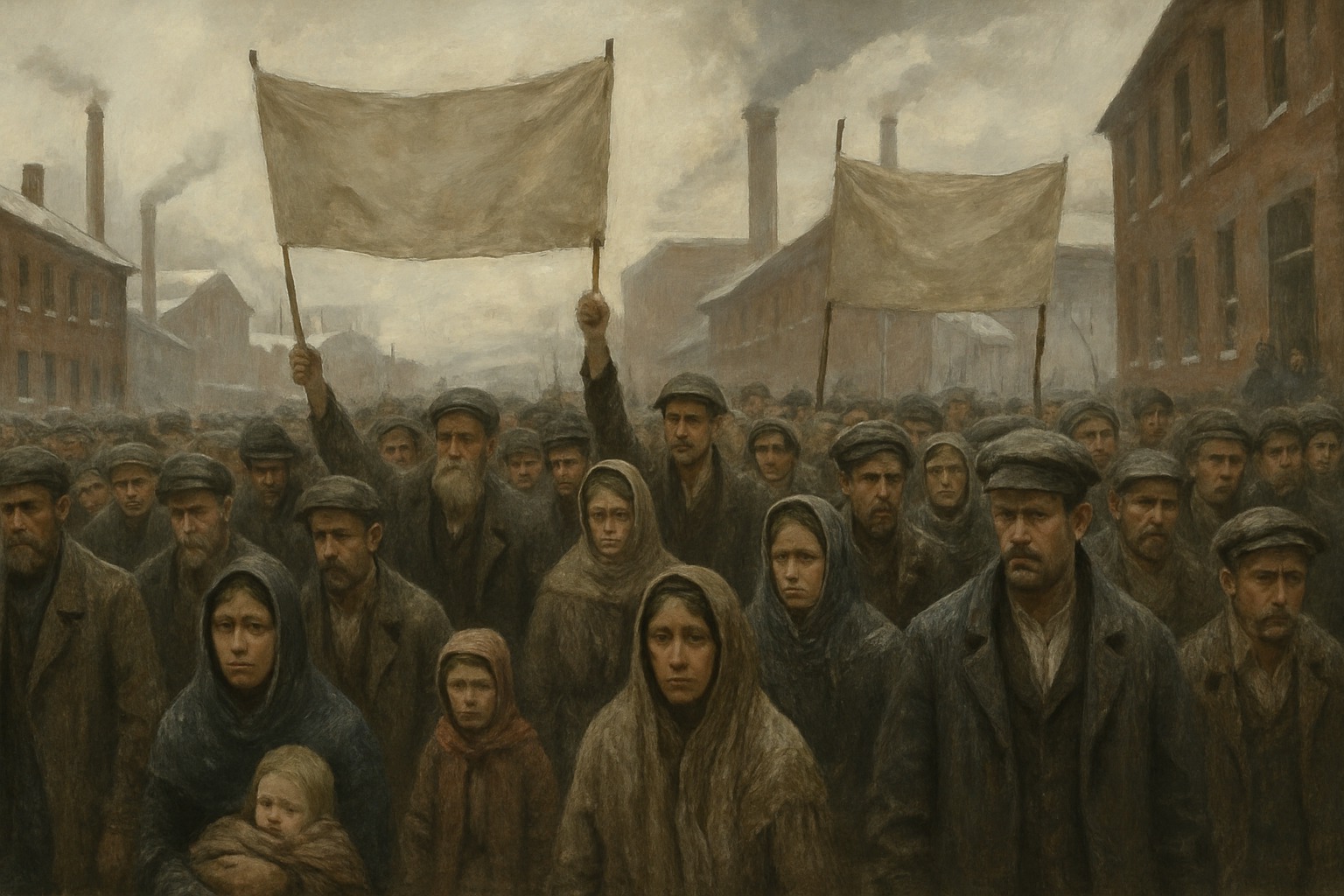
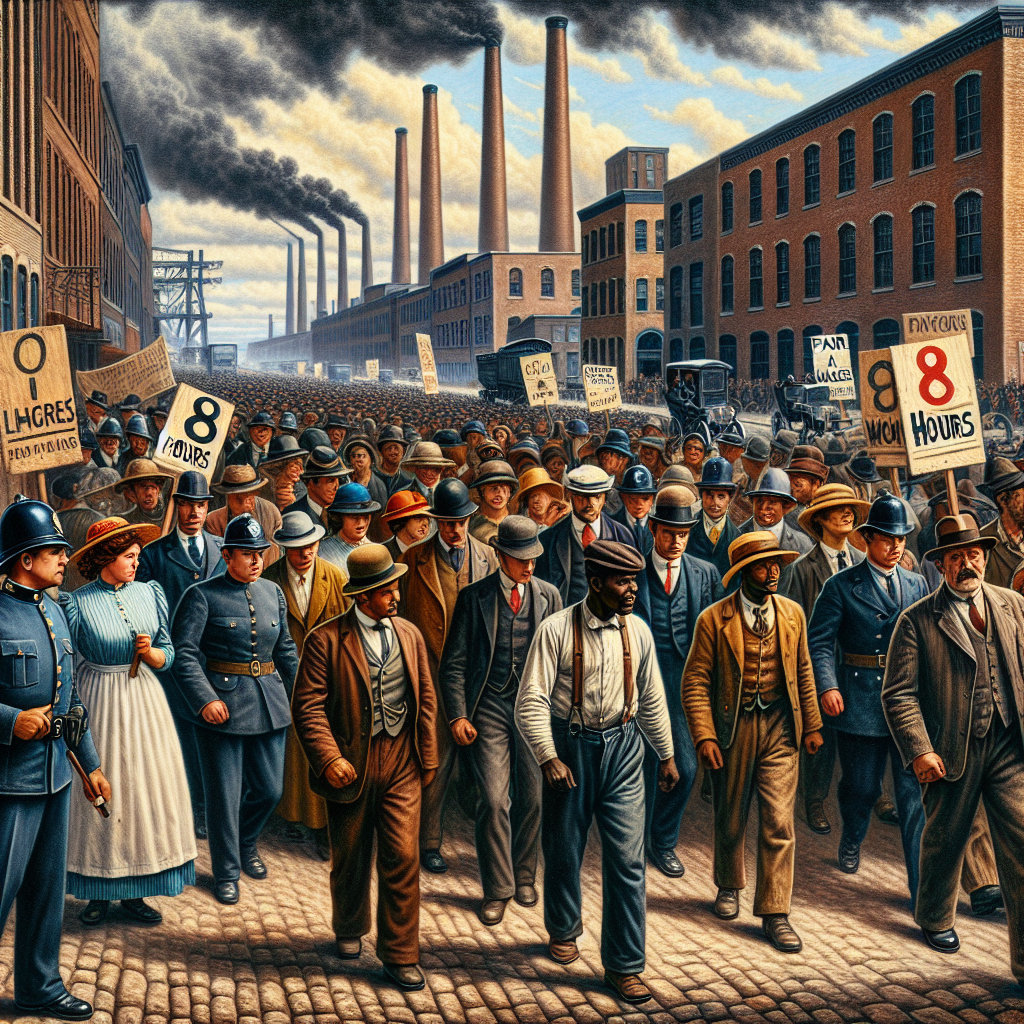
Where the American Federation of Labor organized the skilled few, the Industrial Workers of the World set out to organize everyone. Founded in Chicago in 1905 by radicals including the miner "Big Bill" Haywood and the aging agitator Mother Jones, the IWW rejected craft divisions in favor of One Big Union that would unite all workers — skilled and unskilled, native and immigrant, Black and white, men and women — into a single force aimed ultimately at overthrowing the wage system itself.
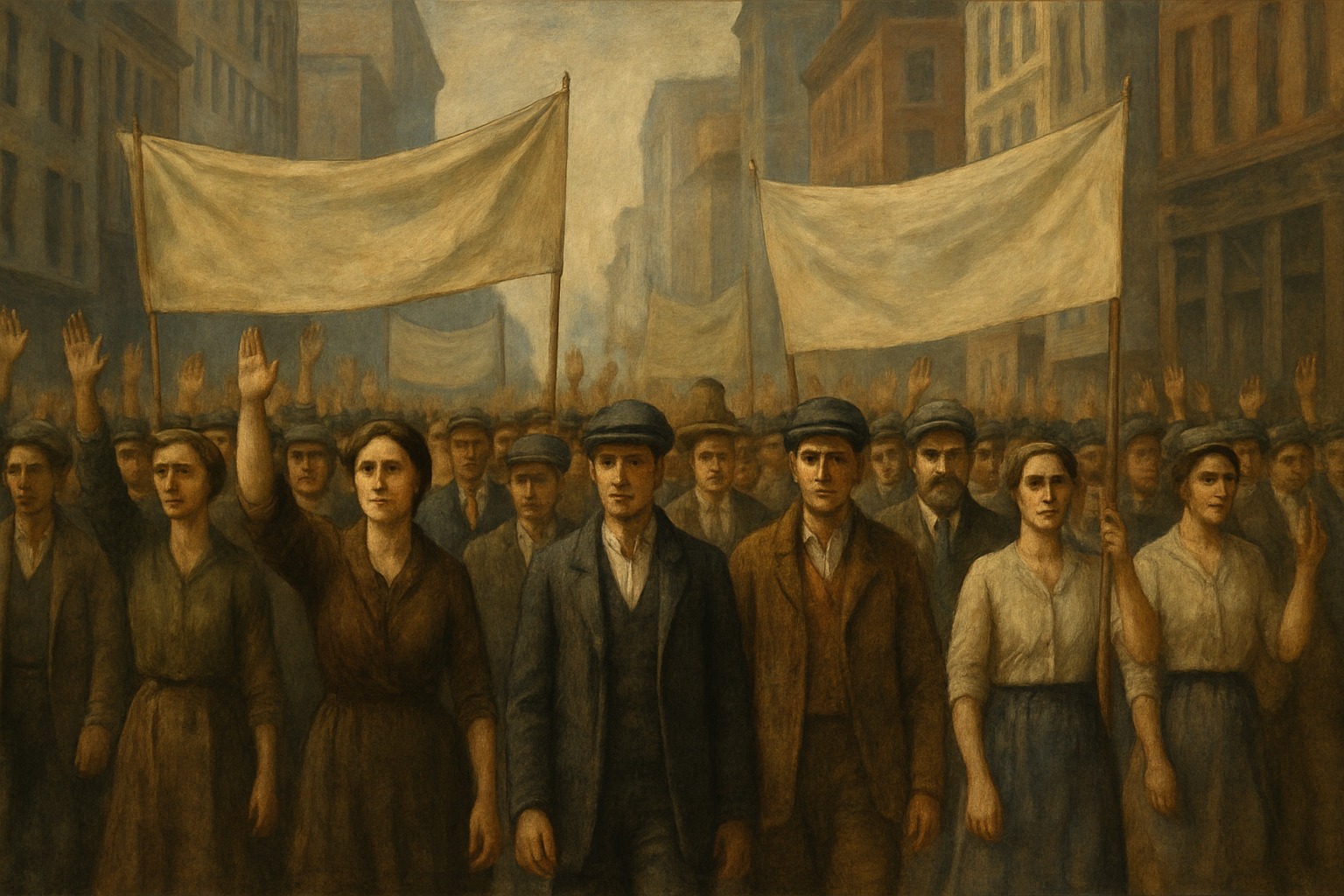
The Wobblies, as members were nicknamed, fought their battles in the street and the song. They led dramatic free-speech fights in western towns, packing jails until authorities relented, and won a celebrated victory in the 1912 textile strike at Lawrence, Massachusetts, remembered as the Bread and Roses strike. Their little red songbook and martyrs like the executed organizer Joe Hill gave the movement a culture as much as a program, and their embrace of immigrant and unskilled workers set them apart from the mainstream labor movement.
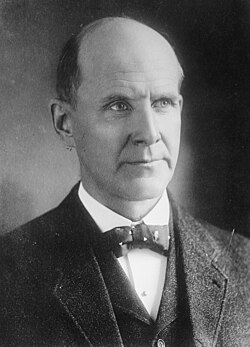
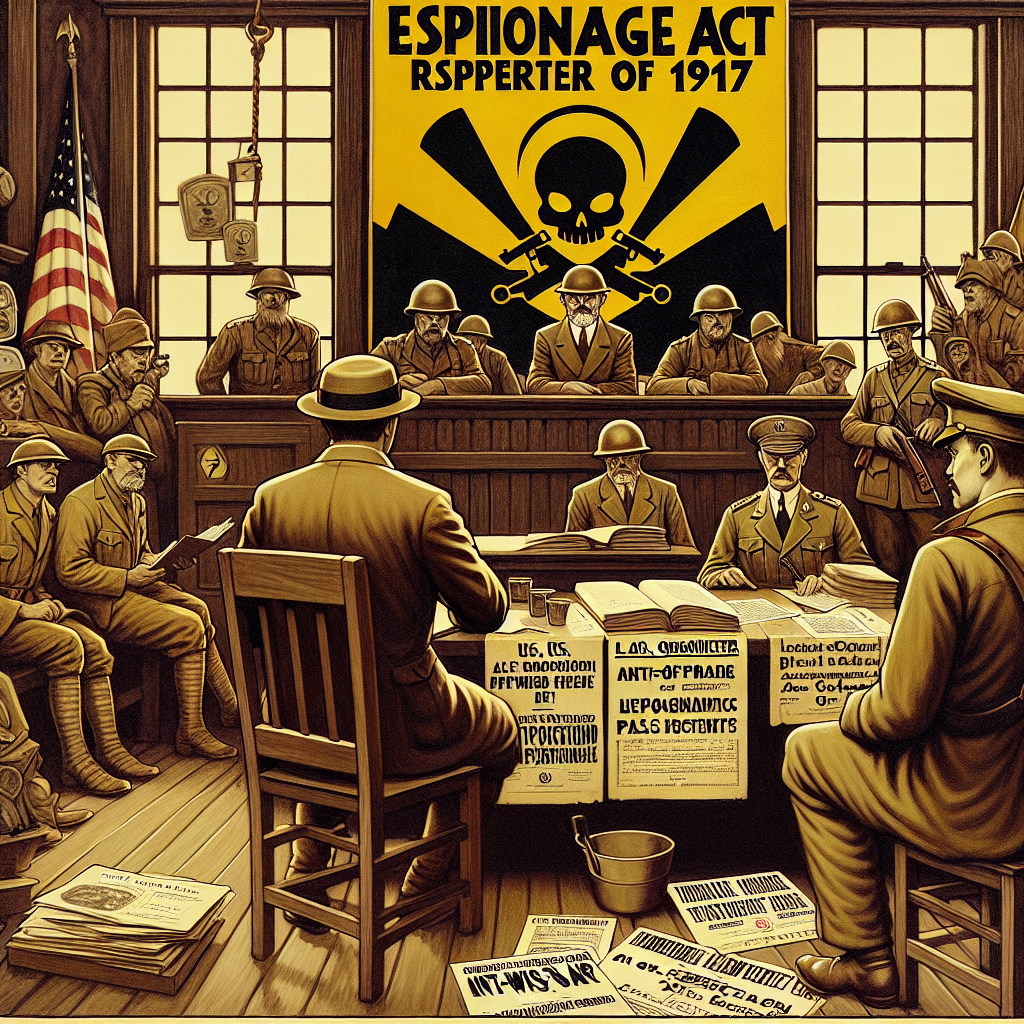
That radicalism made the IWW a target. Its opposition to the First World War and its revolutionary rhetoric gave the government a pretext, and federal raids under the wartime Espionage Act, mass prosecutions, and the Red Scare of 1919 to 1920 gutted the organization. Leaders were imprisoned or driven into exile, Haywood among them, and the union that had once claimed to speak for the whole working class was reduced to a shadow of itself within a few years.
The IWW never recovered its numbers, yet its influence far outran its size. It pioneered the industrial unionism that the CIO would later use to organize the mass-production industries, pushed the labor movement to include the workers others ignored, and left a lasting mark on American radical and folk culture. Small but unextinguished, the union still exists — a living link to the most ambitious dream American labor ever pursued.
| Founded | 1905, Chicago |
| Nickname | The "Wobblies" |
| Goal | One Big Union of all workers |
| Key figures | "Big Bill" Haywood, Mother Jones, Joe Hill |
| Famous strike | Lawrence "Bread and Roses" textile strike, 1912 |
| Suppressed | WWI-era raids and the Red Scare, 1917–1920 |
| Date | Founded 1905 |
| Location | Chicago, Illinois |