The YMCA
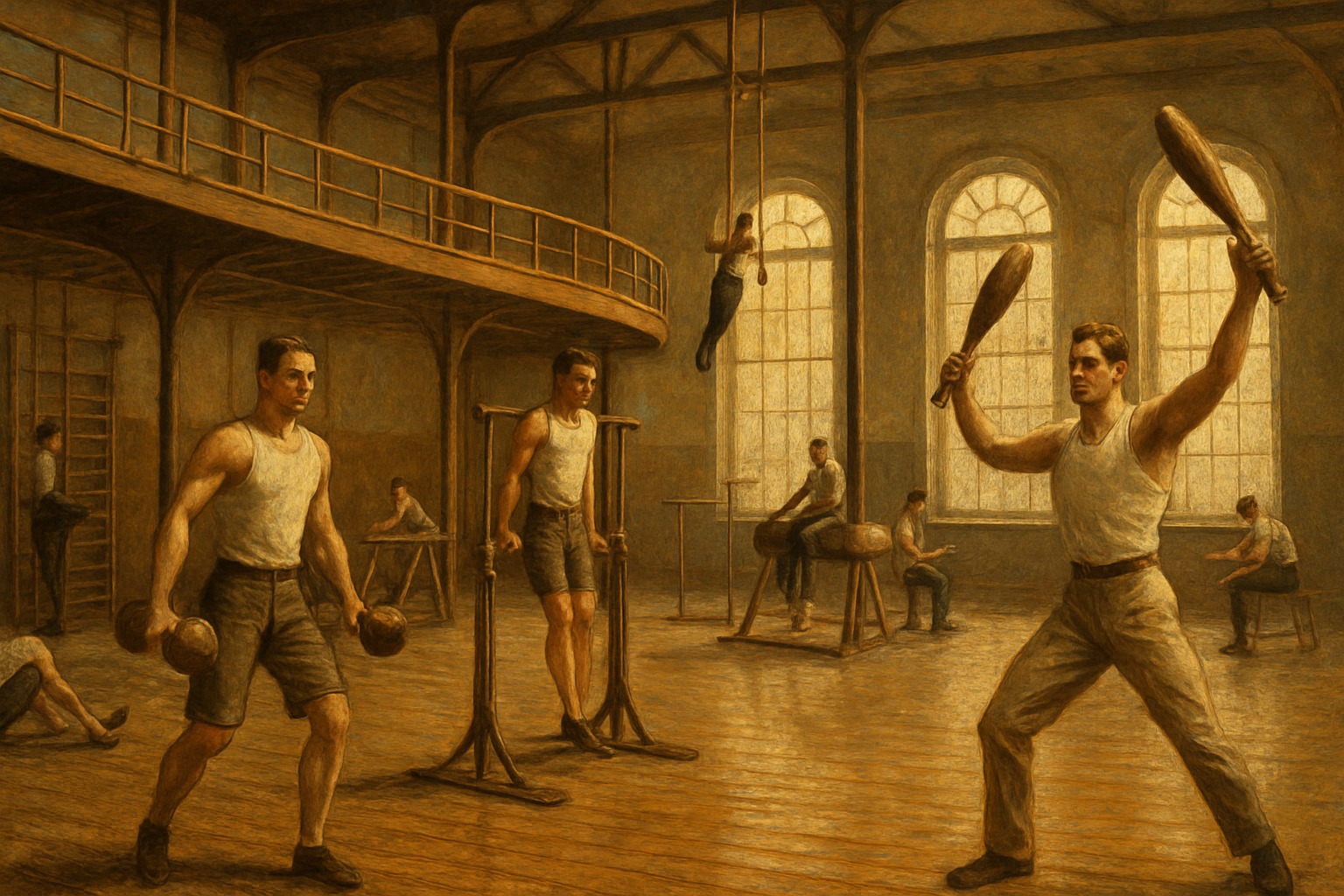
The Young Men's Christian Association crossed the Atlantic from London, where it was founded in 1844, and opened its first American branch in Boston in 1851. It arrived to meet a distinctly modern problem: the flood of young men leaving farms for the crowded, tempting, and often lonely cities of the industrializing nation. The YMCA aimed to look after them body, mind, and spirit, offering a wholesome alternative to the saloon and the street.
Its formula of what came to be called muscular Christianity gave the country some of its most enduring institutions. The Y built gymnasiums, swimming pools, dormitories, and reading rooms, and it was inside a YMCA training school in Massachusetts that an instructor named James Naismith invented basketball in 1891, followed a few years later by volleyball at another Y. Physical fitness, respectable lodging, and organized recreation became its hallmarks.
The association wove itself into the fabric of American life. Its buildings offered cheap rooms to travelers and newcomers, its programs taught immigrants and served soldiers in wartime, and its summer camps and youth programs shaped generations of children. Over time it shed much of its explicitly evangelical mission, opened its doors to women and people of all faiths, and became simply the Y.
From a Victorian effort to save young men's souls to a fixture of the American gym and swimming pool, the YMCA's history traces the nation's search for community and healthy recreation in an urban age. Few organizations have left so tangible a mark on how Americans exercise, gather, and spend their leisure.



| Founded | 1844 (London); U.S. since 1851 (Boston) |
| Ethos | "Muscular Christianity" — body, mind, spirit |
| Invented | Basketball (1891) and volleyball (1895) |
| Offered | Gyms, pools, dormitories, youth programs |
| Note | Shaped American recreation and youth culture |
| Date | In America since 1851 |
| Location | Boston, Massachusetts |