Sports in America
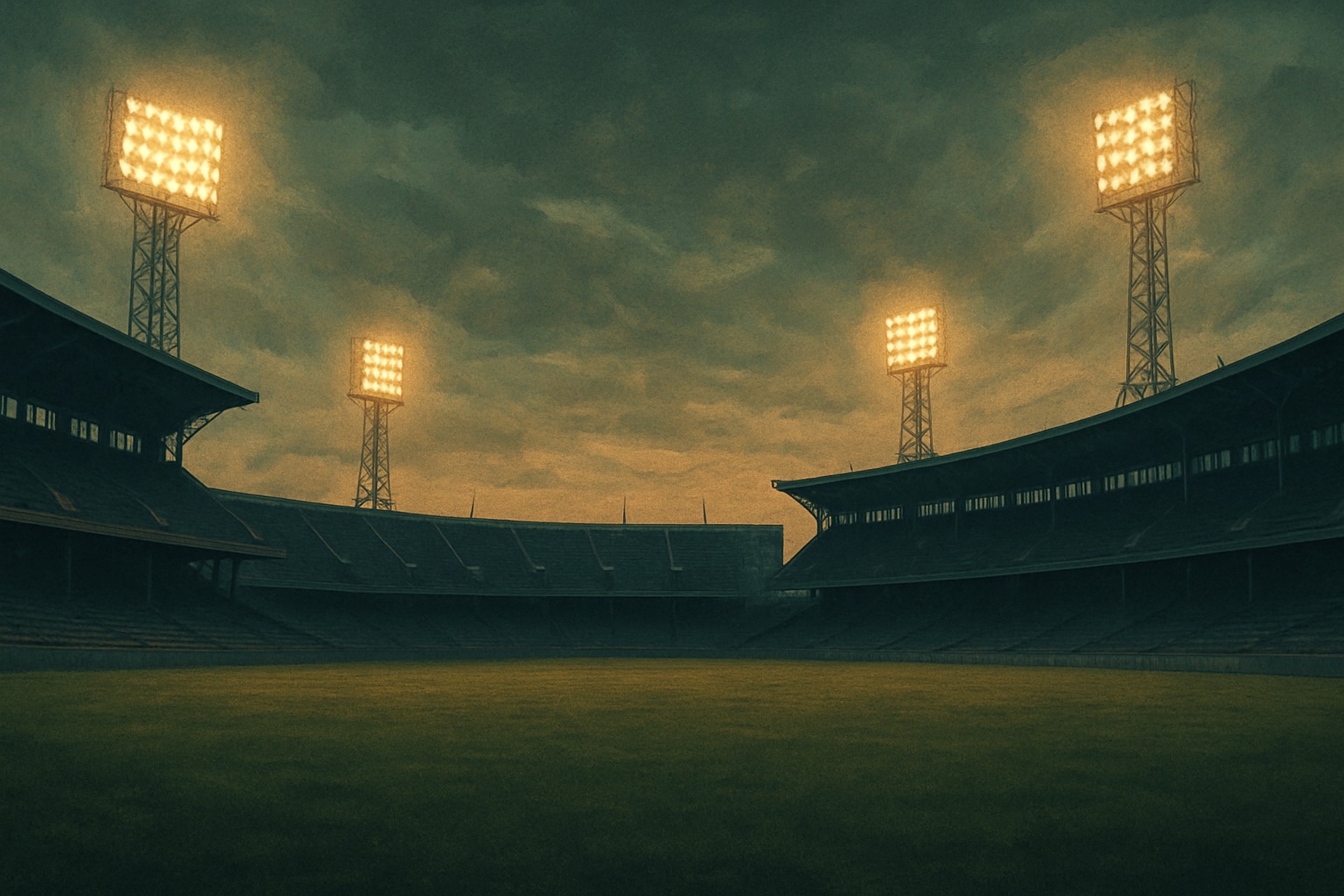
Americans have always argued about who they are through their games. Sport in the United States grew from a scattering of folk pastimes into a vast commercial and cultural institution — and along the way it became one of the most visible arenas in which the country worked out its conflicts over race, gender, class, and national pride.
Baseball claimed the title of national pastime in the 19th century, followed in the 20th by the rise of football and basketball into mass spectacles broadcast to tens of millions. The stadium and the screen turned athletes into some of the most famous people in the country, and turned sport into a multibillion-dollar industry.
But the deeper story is what the games revealed. The color line that barred Black players, and the moment it broke; the exclusion of women, and the law that forced the door open; the Cold War fought by proxy on ice and on the track — sport repeatedly staged the nation's largest struggles in miniature, in front of the largest possible audience.
To follow American sports history is therefore to follow American history itself from an unusual angle — one where social change is measured not in laws and elections alone but in who got to play, who got to win, and who the country chose to celebrate.
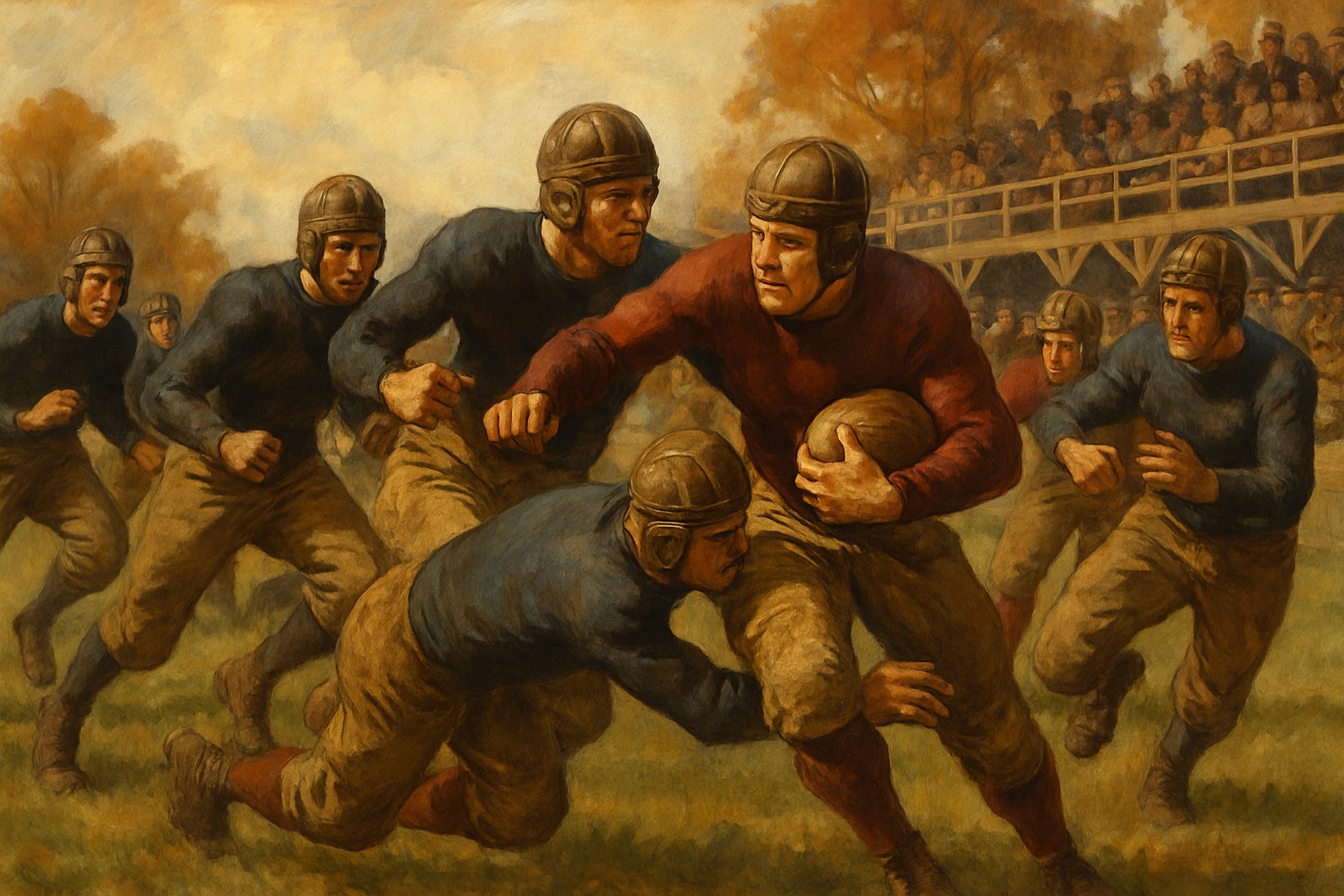
| National Pastime | Baseball, from the mid-19th century |
| Mass Era | Football and basketball as broadcast spectacles, 20th c. |
| Bigger Than Games | A stage for race, gender, and Cold War rivalry |
| Scale | A multibillion-dollar cultural industry |
| Date | From the 19th-century national pastime to the modern spectacle |