The U.S. Chamber of Commerce
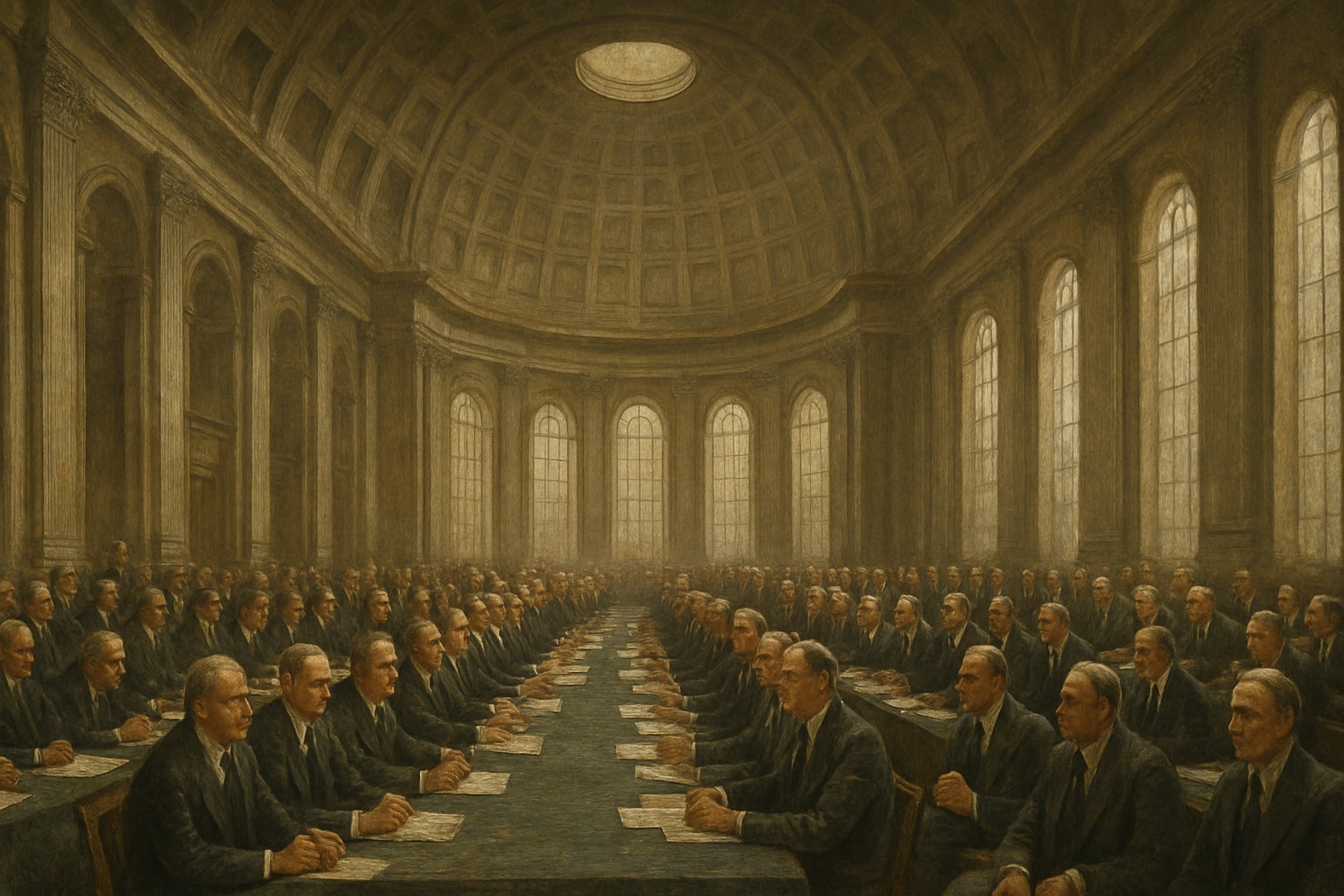
The United States Chamber of Commerce was founded in 1912, at the urging of President William Howard Taft, to give American business a single national voice in the capital. Bringing together local chambers, trade associations, and companies into one federation, it set out to represent the interests of enterprise before Congress and the executive branch at the very moment the Progressive movement was expanding the government's power over business.
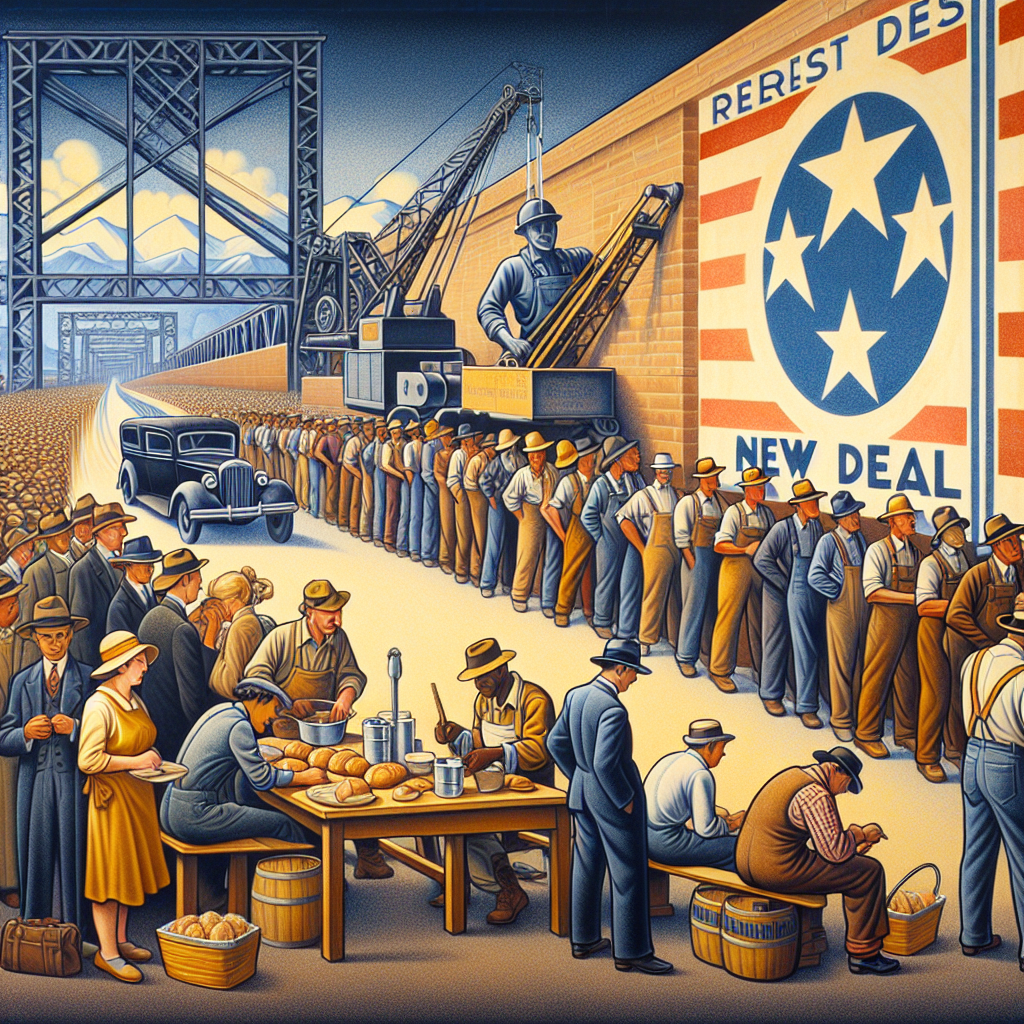
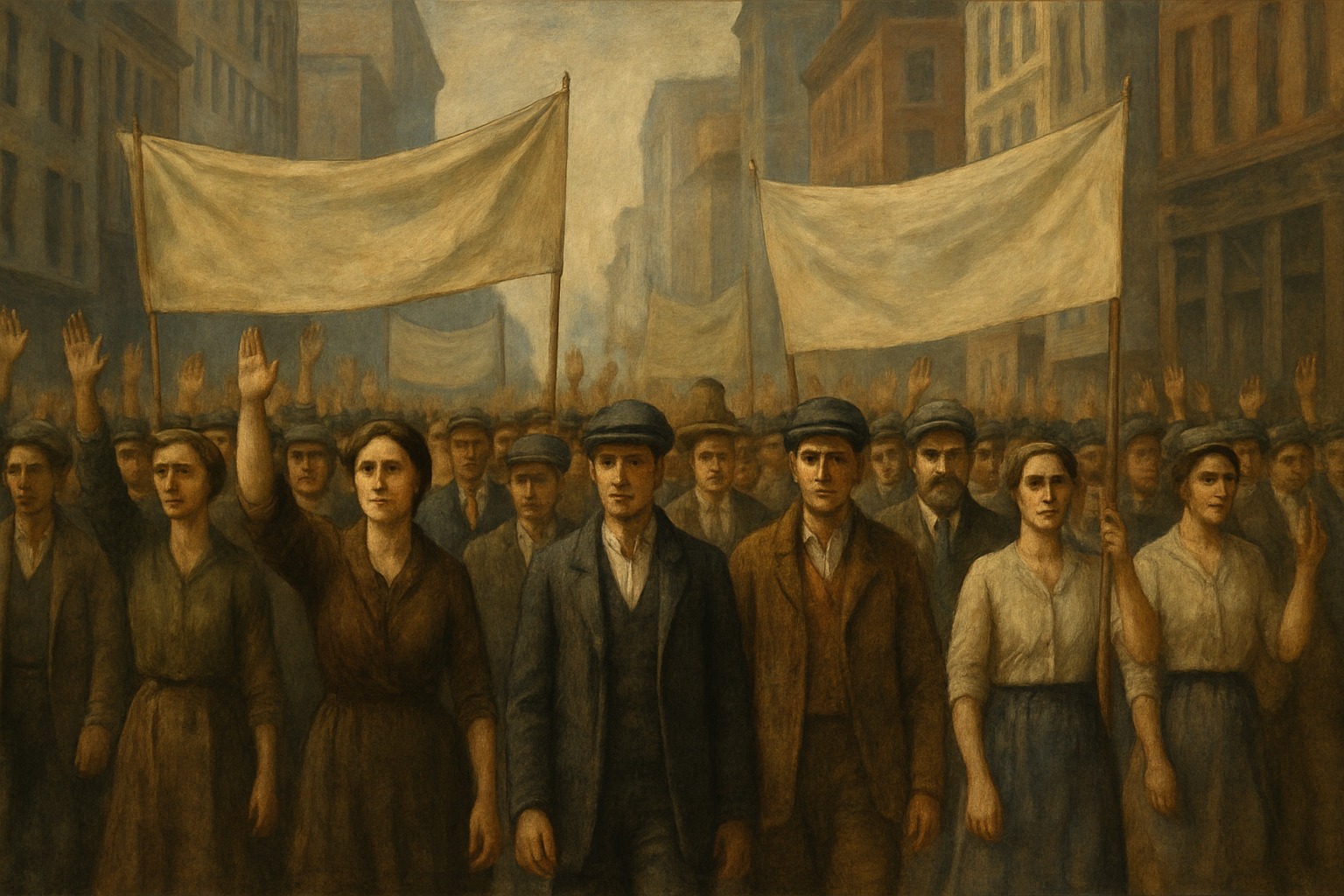
From the start the Chamber positioned itself as the champion of free enterprise and the adversary of what it saw as excessive regulation. It fought many of the labor protections and business rules of the New Deal, opposed the growth of unions, and argued consistently for lower taxes and a lighter regulatory hand. Its stance made it a natural counterweight to the labor federations that spoke for workers.
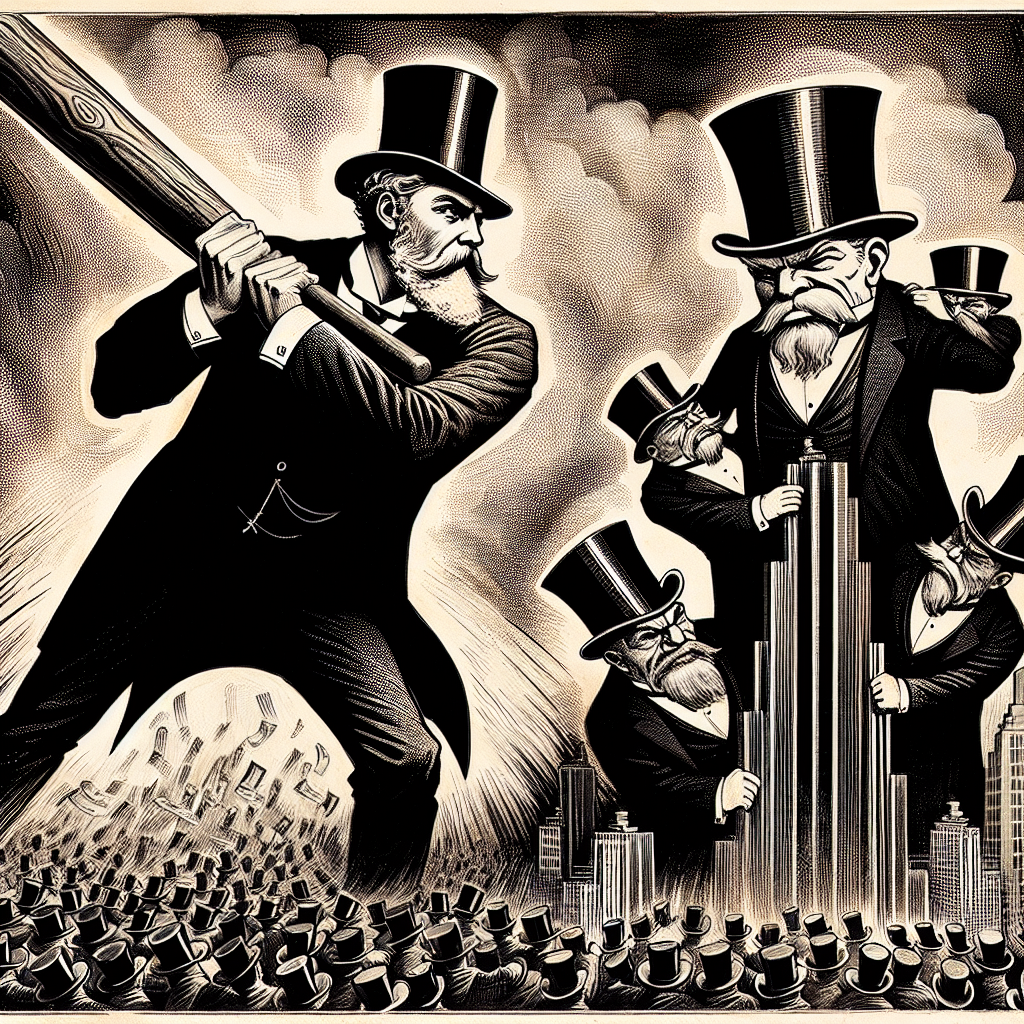
Over the decades the Chamber grew into one of the most powerful lobbying forces in Washington, spending enormous sums to influence legislation, backing candidates, and challenging regulations in the courts. Its reach and its budget made it a force that lawmakers of both parties had to reckon with, and a lightning rod for critics who saw it as the concentrated political power of corporate America.
Whether cast as the defender of the businesses that drive the economy or as the lobbying arm of big corporations, the U.S. Chamber of Commerce has been a central player in the century-long argument over the proper relationship between government and business. Its history mirrors the shifting balance of power among enterprise, labor, and the regulatory state.
| Founded | 1912 |
| Type | National business federation and lobby |
| Origin | Encouraged by President William Howard Taft |
| Positions | Lower taxes and lighter regulation |
| Note | Among the largest U.S. lobbying organizations |
| Date | Founded 1912 |
| Location | Washington, D.C. |