The Ford Foundation

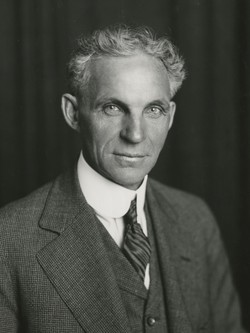
Established in 1936 with a gift from Edsel and Henry Ford, the Ford Foundation began as a modest local charity and, after inheriting the bulk of the Ford family fortune in the postwar years, became for a time the largest philanthropic foundation in the world. Cut loose from the automaker itself by the 1950s, it set out to spend its enormous endowment on nothing less than the advancement of human welfare, at home and around the globe.
Its grants reshaped whole fields. The foundation helped build public broadcasting, funded the growth of university area-studies programs, bankrolled legal-aid and civil rights organizations, and financed the agricultural research abroad that became known as the Green Revolution, credited with saving many millions from famine. Few private institutions have left fingerprints on so many corners of modern American and global life.
That reach made the foundation influential and controversial in equal measure. Conservatives accused it of using its wealth to advance a liberal, internationalist agenda, and its grants to activist groups drew political fire. Supporters saw a farsighted institution willing to fund ideas and causes that governments and markets would not. Either way, its independence and its scale gave it a quiet power over public life that elected officials sometimes envied.
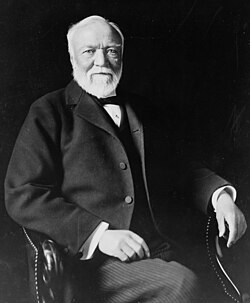
The Ford Foundation became the model of the great American philanthropy, taking its place alongside the foundations built by Carnegie and Rockefeller. Its history illustrates a distinctively American arrangement — private fortunes, converted into tax-exempt foundations, wielding public influence — and the enduring debate over who should decide how such vast sums are spent.




| Founded | 1936 |
| Endowed by | The Ford family fortune |
| Type | Private philanthropic foundation |
| Funded | Public broadcasting, civil rights, global development |
| Note | Among the largest U.S. foundations |
| Date | Founded 1936 |
| Location | New York City |