The World Health Organization
The UN's global health agency — and America's fraught partner in it, 1948

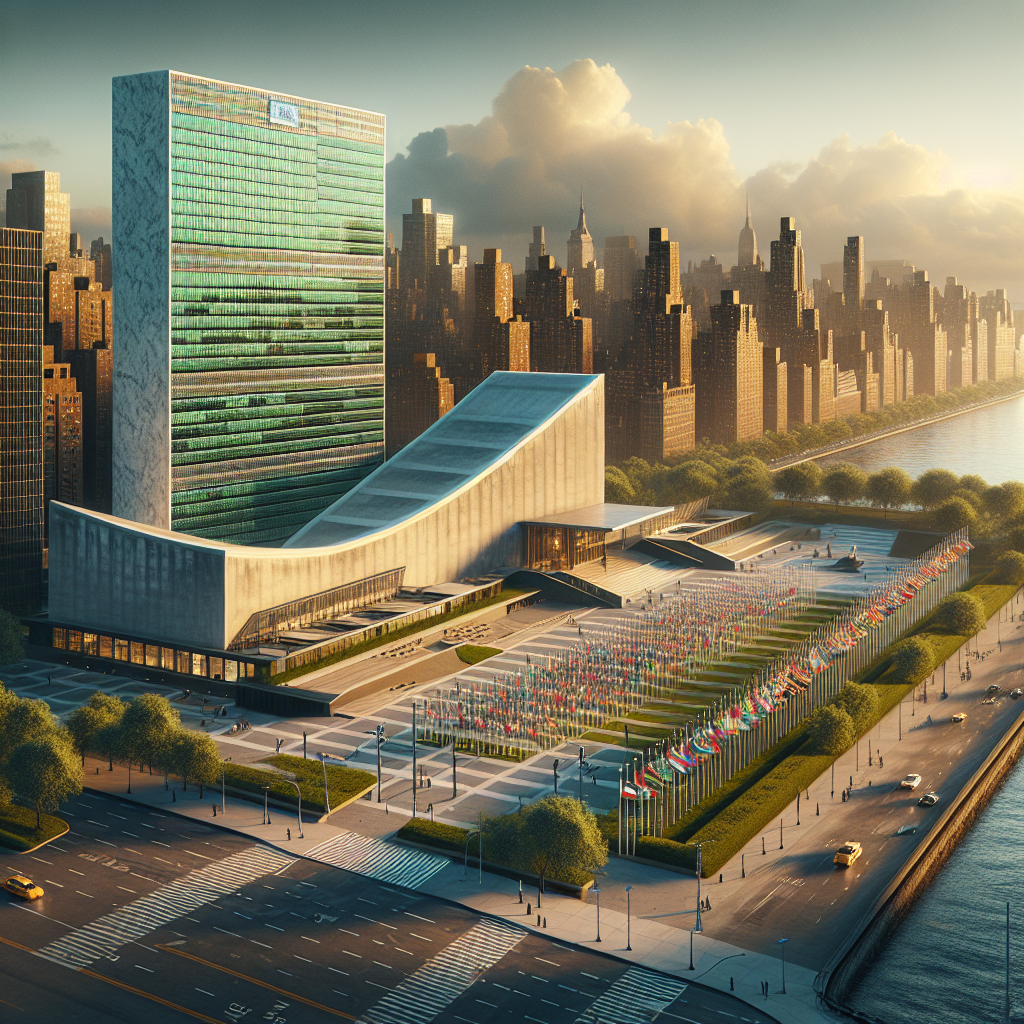
When the United Nations set out to rebuild a shattered world after the Second World War, it created a body to guard the health of humanity. The World Health Organization, founded in 1948 and headquartered in Geneva, became the United Nations' specialized agency for global health, charged with fighting disease across borders that germs had always ignored. The United States was a founding member and, from the start, its largest single funder.
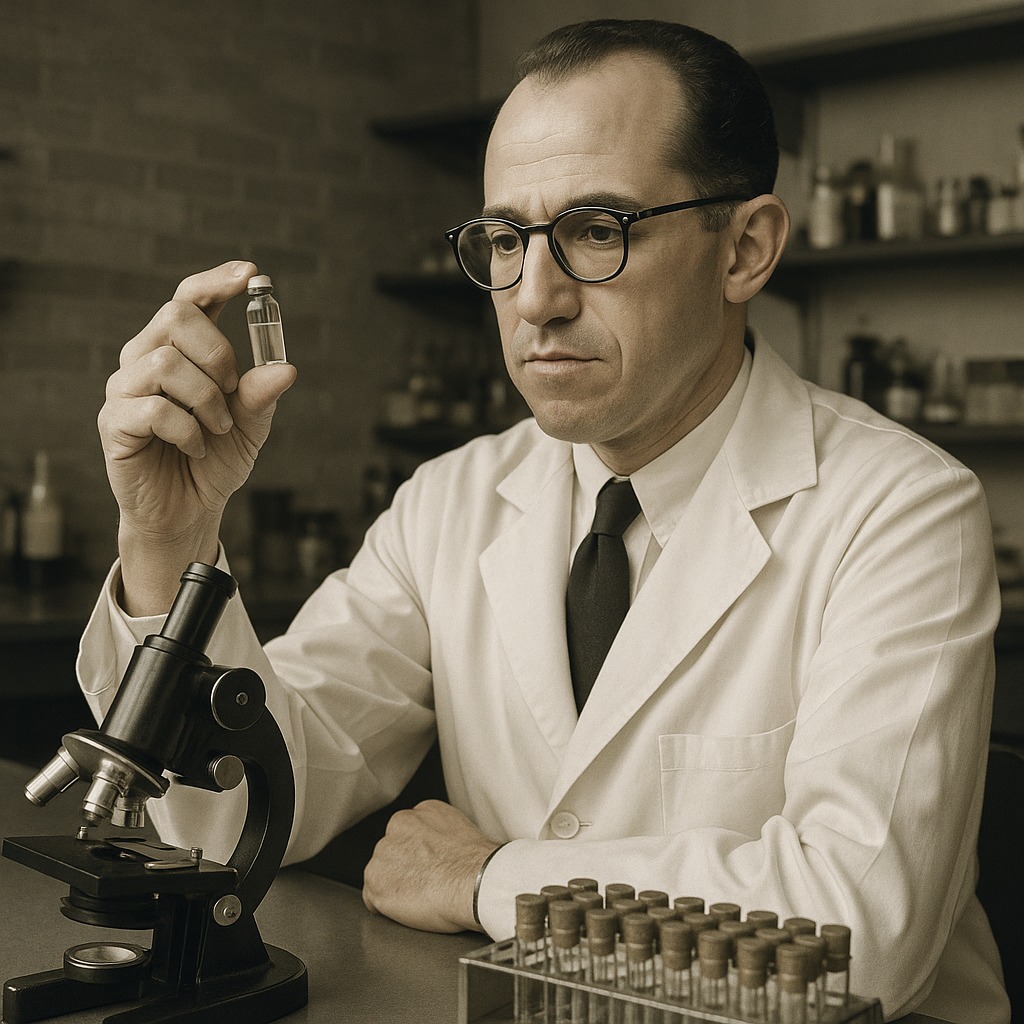
The organization's greatest triumph was the eradication of an ancient killer. Through a decade-long global campaign of vaccination and surveillance, the WHO wiped smallpox from the earth, its last natural case recorded in 1977 and eradication declared in 1980 — the only human disease ever deliberately driven to extinction. It set international health standards, coordinated responses to epidemics, and mounted campaigns against polio, malaria, and other scourges.
The American relationship with the WHO was never simple. As the agency's chief financial backer, the United States wielded great influence over it, yet Washington also chafed at what it saw as bureaucratic bloat and political maneuvering within the organization. Fights over funding and priorities recurred across the decades, a reflection of the broader American ambivalence toward the very international institutions it had helped build.
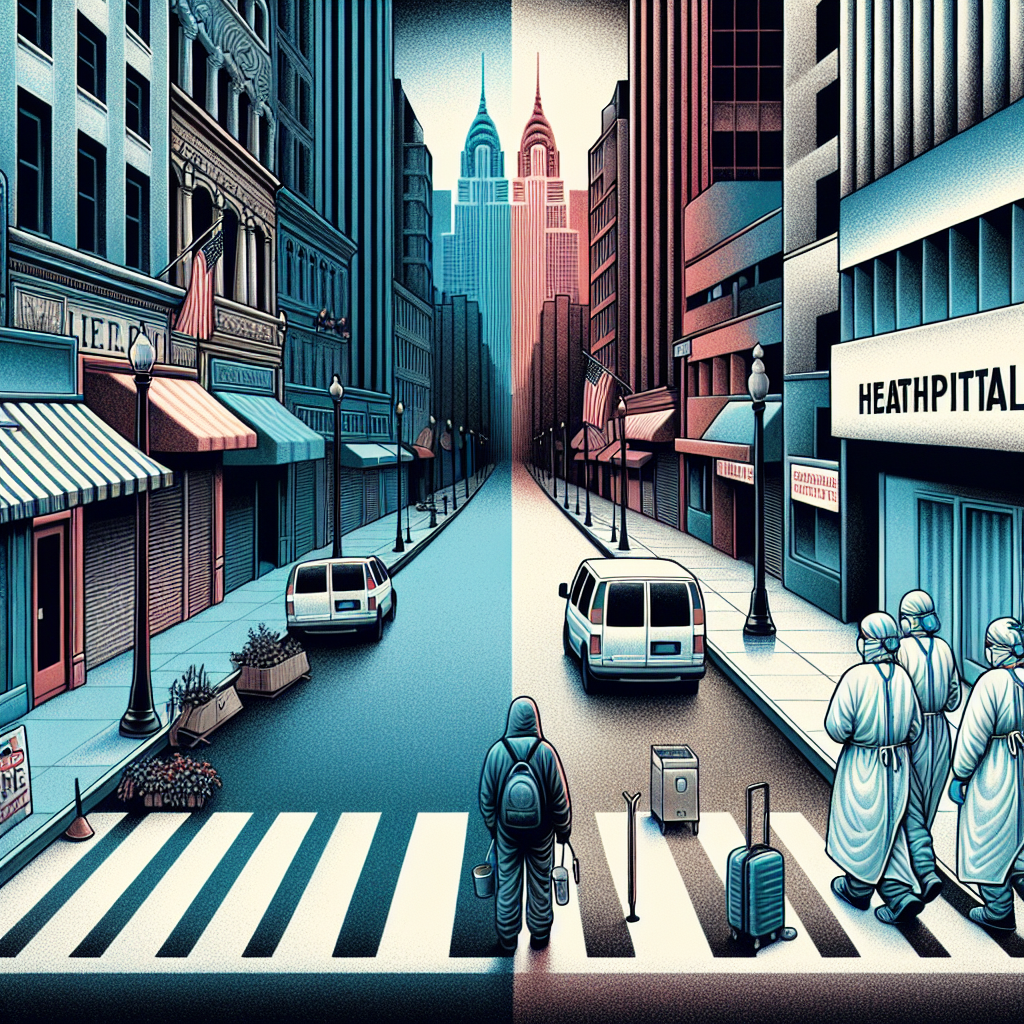
That tension came to a head during the COVID-19 pandemic that began in 2020, when the United States accused the WHO of mishandling the outbreak, moved to withdraw, and then reversed course. Whatever the disputes, the organization remains the central institution of global health governance and a pillar of the postwar order the United States created — an order repeatedly tested, and never more so than by a pandemic.