The Iraq War
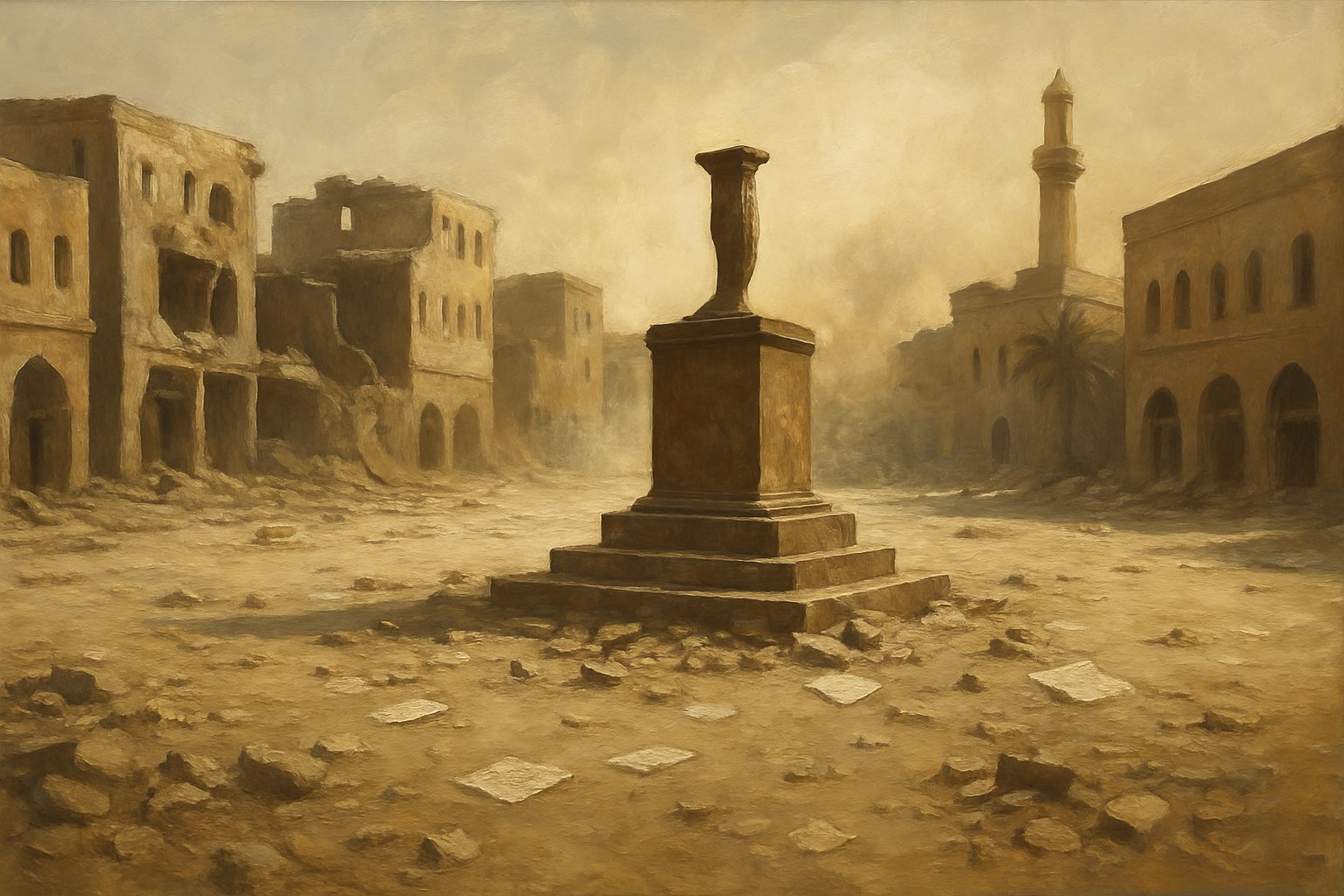
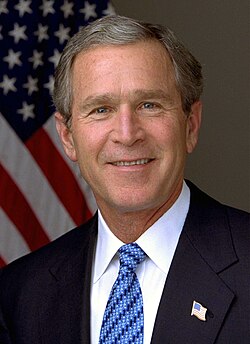
After September 11 the administration of George W. Bush turned to a longer-standing objective: removing Saddam Hussein. Officials argued that Iraq retained stockpiles of chemical and biological weapons, was reconstituting a nuclear program, and might hand such weapons to terrorists. Secretary of State Colin Powell laid the case before the United Nations Security Council in February 2003. Congress had authorized force the previous October. Britain joined, France and Germany refused, the Security Council never voted a second resolution, and the invasion began on March 20, 2003.
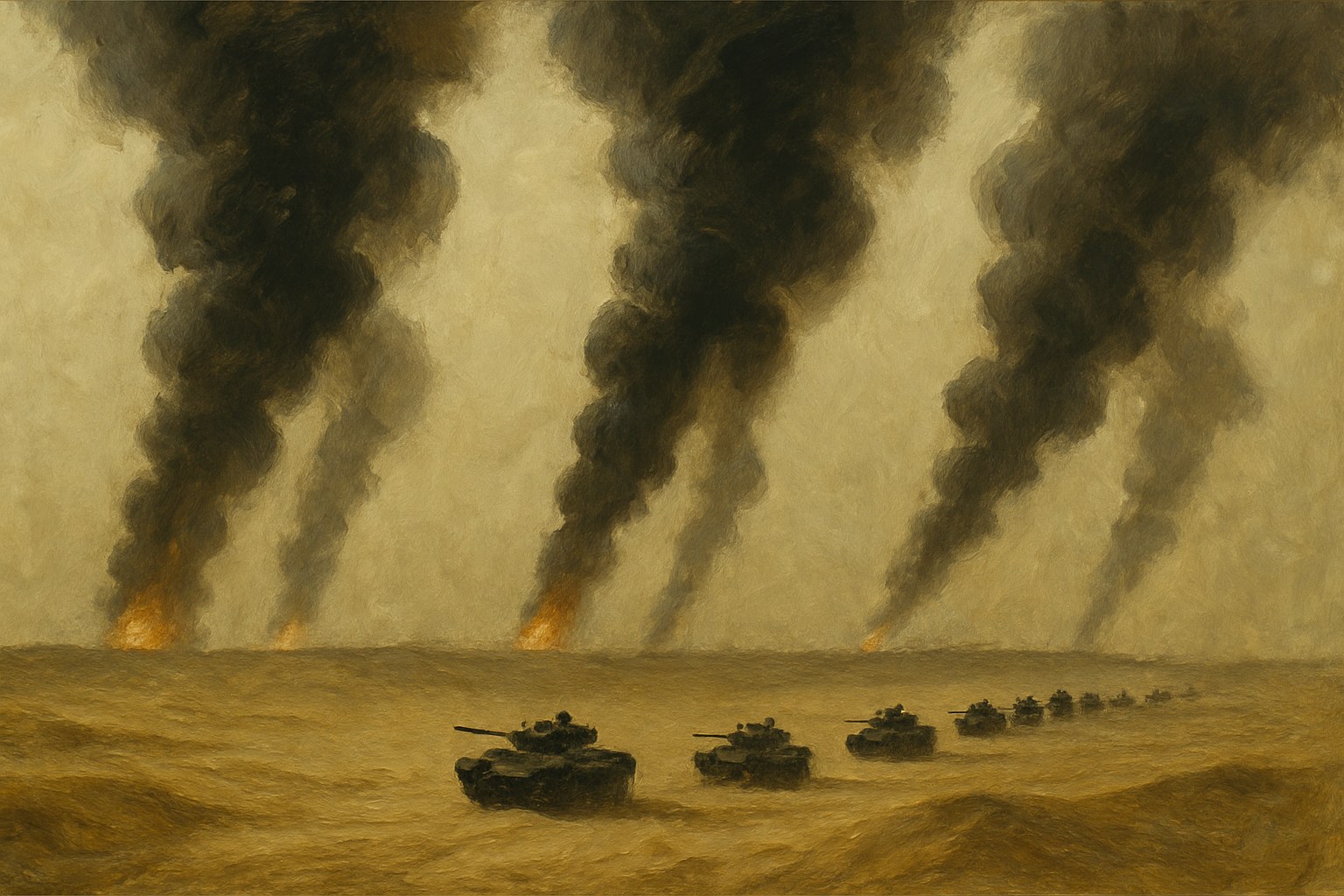
Baghdad fell in three weeks. No stockpiles were found. The Iraq Survey Group reported in 2004 that Iraq had destroyed its unconventional weapons in the 1990s and had not restarted production, though Saddam had kept the ambition alive and worked to leave his neighbors uncertain. Postwar inquiries in Washington and London found the intelligence badly flawed and in places built on sources later judged fabricators. Whether this was honest error compounded by pressure to confirm a conclusion already reached, or something closer to deliberate advocacy, remains genuinely disputed and turns on questions of motive the record has not settled.
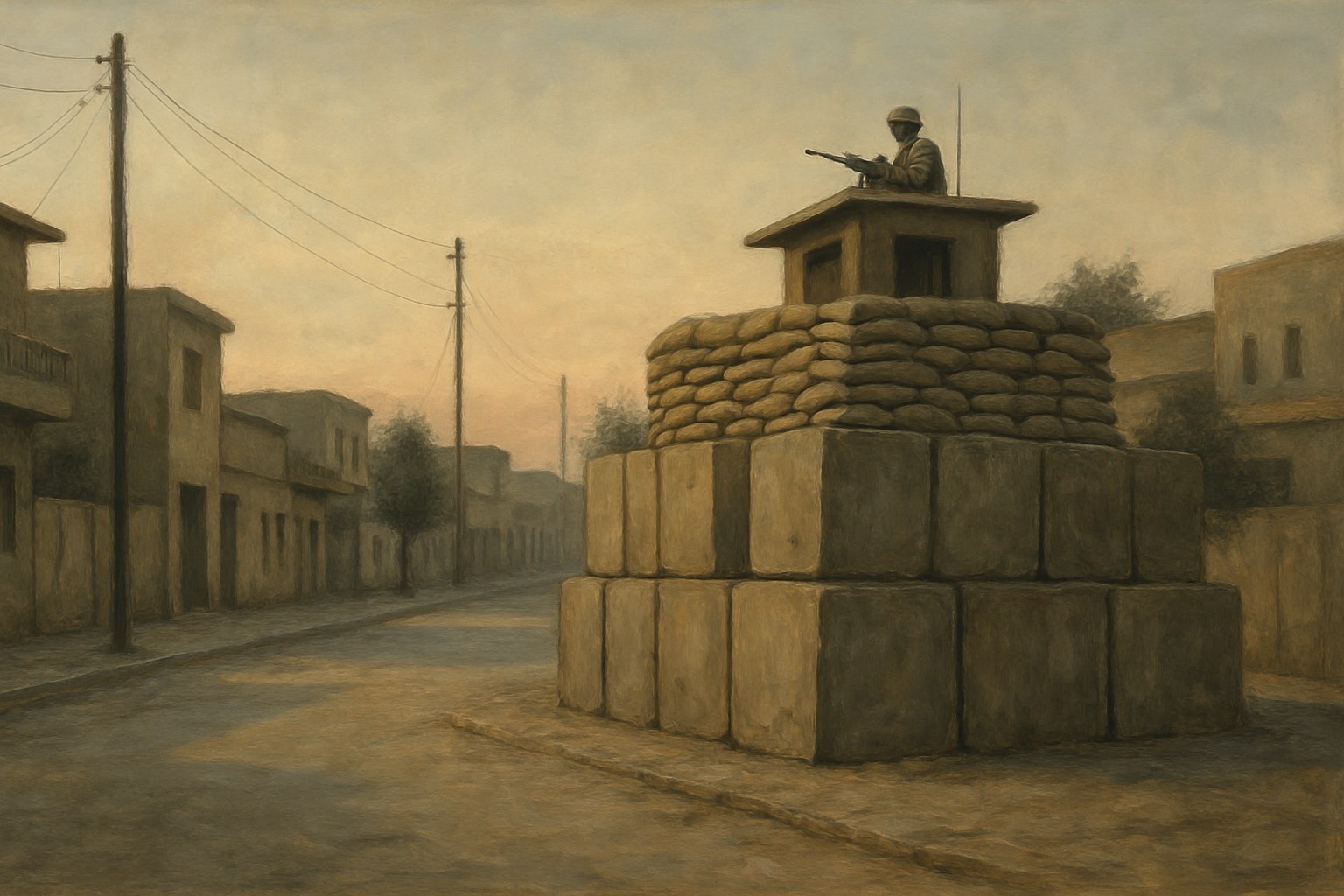
The occupation went wrong quickly. The Coalition Provisional Authority dissolved the Iraqi army and barred former Baath Party members from public employment, stripping the new state of its administrators and putting hundreds of thousands of armed, unemployed men onto the street. A Sunni insurgency took hold. The bombing of the Shiite shrine at Samarra in February 2006 opened a sectarian civil war of militias, death squads, and neighborhood cleansing that killed tens of thousands. The abuse of prisoners at Abu Ghraib, exposed in 2004, did lasting damage to the American case abroad.
A troop surge and a Sunni tribal revolt against al-Qaeda in Iraq brought violence down sharply after 2007. American combat forces withdrew in 2010 and the last troops left in December 2011, under a status-of-forces agreement signed by Bush and carried out by Obama. Roughly 4,500 Americans died, and credible estimates of Iraqi civilian deaths run well past 100,000. The Shiite-led government in Baghdad alienated Sunnis, and from the remnants of the insurgency the Islamic State rose to seize a third of the country in 2014, drawing American forces back.

| Dates | March 2003 to December 2011 |
| Stated cause | Iraqi weapons of mass destruction and ties to terrorism |
| Finding | No stockpiles found — Iraq Survey Group, 2004 |
| Turning points | De-Baathification 2003, the Samarra bombing 2006, the surge 2007 |
| U.S. deaths | About 4,500 service members |
| Aftermath | The rise of the Islamic State out of the insurgency |
| Date | 2003-2011 |
| Location | Baghdad, Iraq |