The Iraq Surge
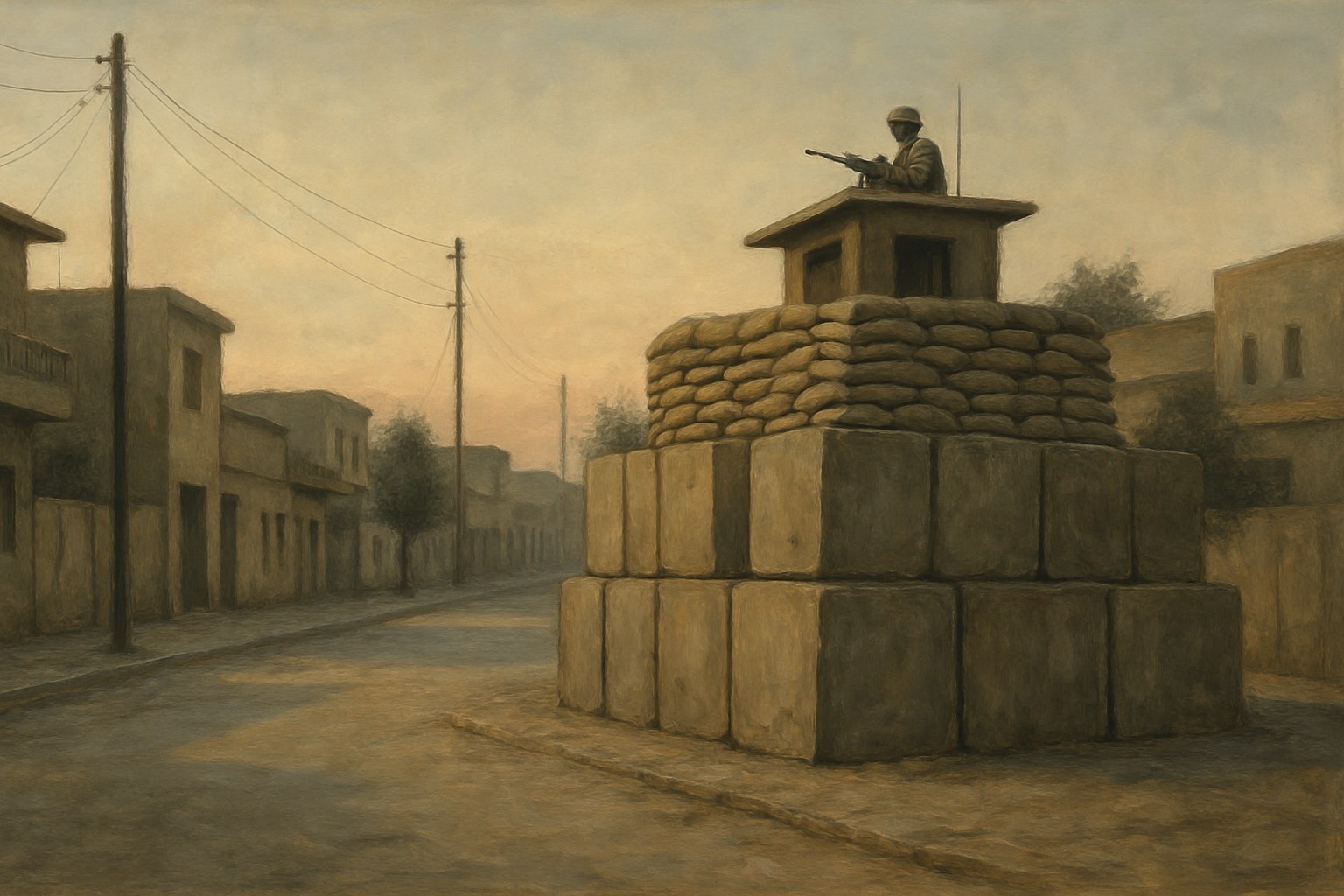
By the end of 2006 Iraq was coming apart. Sectarian death squads were emptying Baghdad neighborhoods, American casualties were climbing, and the bipartisan Iraq Study Group recommended winding the combat mission down. President Bush went the other way. On January 10, 2007 he announced that he would send roughly 20,000 additional troops, a figure that grew to about 30,000, and that they would be used differently — not to raid insurgents from fortified bases but to live among Iraqi civilians and protect them.
General David Petraeus, who took command in February 2007, had overseen the writing of a new counterinsurgency field manual that treated the population, rather than enemy body count, as the object of the war. Under it American units moved off the big installations into joint security stations in the neighborhoods, walled off contested districts with concrete barriers, and partnered directly with Iraqi police and army units. The approach demanded more troops, more risk, and more patience than the strategy it replaced. Casualties rose first, and 2007 became the deadliest year of the war for American forces.
Something else was under way in Anbar province. Beginning in the autumn of 2006, months before the surge, Sunni tribal sheikhs who had tolerated or supported al-Qaeda in Iraq turned on it, revolted by its brutality and its attempt to displace their authority. American commanders in Ramadi backed the revolt and the movement spread. Some 100,000 former insurgents went onto the American payroll as the Sons of Iraq. In August 2007 the Shiite cleric Moqtada al-Sadr ordered his own militia to stand down, removing another major source of violence.
Violence fell steeply through 2008. What caused the drop is still argued. Supporters of the surge credit the additional troops and the change in doctrine, without which, they say, the Awakening would have found no reliable partner and collapsed. Skeptics note that the Awakening preceded the surge, that Sadr's ceasefire was his own decision, and that the sectarian cleansing of Baghdad had largely run its course by 2007, leaving fewer mixed neighborhoods left to fight over. Most historians now credit a combination and disagree chiefly about the weighting.
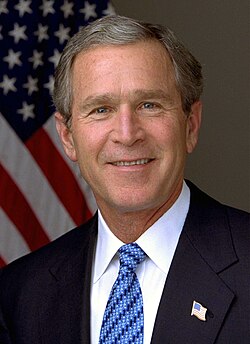
| Announced | January 10, 2007, by President George W. Bush |
| Size | About 30,000 additional troops |
| Commander | General David Petraeus, from February 2007 |
| Doctrine | Population-centric counterinsurgency, Field Manual 3-24 |
| Parallel factor | The Anbar Awakening, begun in late 2006 |
| Result | A steep drop in violence through 2008, causes still debated |
| Date | 2007-2008 |
| Location | Baghdad, Iraq |