Compromise of 1877
The unwritten bargain that put Hayes in the White House and ended Reconstruction
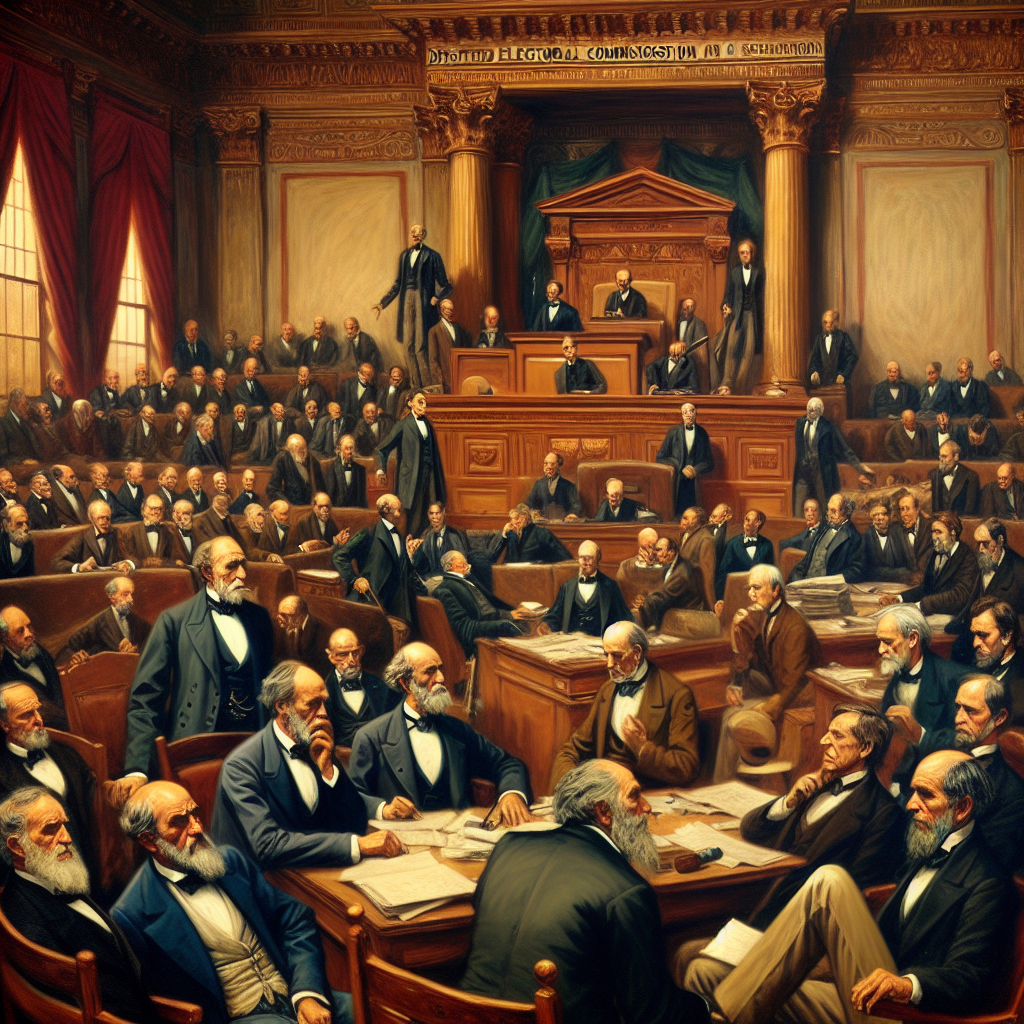
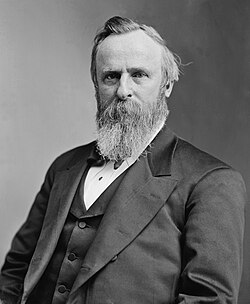
The Compromise of 1877 was an unwritten political bargain that settled the disputed presidential election of 1876 and brought Reconstruction to a close. Nobody signed it, and no law recorded its terms. Through the winter of 1876 and 1877, as Congress counted the electoral votes under the threat of a Democratic stall in the House, allies of the Republican candidate, Rutherford B. Hayes, reached an understanding with a group of Southern Democrats. The Democrats would let the count finish and Hayes take office. Hayes, in turn, would stop using federal troops to keep the last Republican state governments in the South in power. The best-known meeting took place at Wormley's Hotel in Washington, owned by the Black hotelier James Wormley, on February 26, 1877. The count ended in the early hours of March 2, and Hayes was inaugurated days later.
Hayes kept his side of the arrangement quickly. In April 1877 he withdrew the federal soldiers guarding the statehouses in Columbia, South Carolina, and New Orleans, Louisiana. Without them, the Republican claimants to the governorship, Daniel Chamberlain in South Carolina and Stephen Packard in Louisiana, could not hold on, and the Democrats Wade Hampton and Francis Nicholls took power. For the first time since the Civil War, every former Confederate state was governed by white Democrats, who called themselves Redeemers. Federal troops did not leave the South altogether; they stayed at posts around the region, but they no longer intervened in state politics. Hayes also appointed a Tennessee Democrat, David M. Key, as postmaster general, and Southern negotiators sought federal money for railroads and other projects, including a Texas and Pacific line that Congress never funded.
Historians still disagree about how much of a deal there really was. C. Vann Woodward's 1951 book Reunion and Reaction described an elaborate bargain built around railroad interests. Later scholars, among them Allan Peskin and Michael Les Benedict, argued that the talks mattered less than Woodward thought, because Northern support for using the army in Southern politics had already collapsed and Hayes had signaled he would bring the troops home in any case. The consequences are not in dispute. With federal protection gone, Black Southerners lost most of the political power they had won during Reconstruction, first through violence and fraud at the polls and later through poll taxes, literacy tests and new state constitutions written to keep them from voting. The system of segregation and disenfranchisement known as Jim Crow took hold over the following decades and lasted into the 1960s.
Timeline
- April 24, 1877Compromise of 1877Federal troops leave the Louisiana statehouse, the last step in the bargain that ended Reconstruction
Related entries
Across the Brief network
People in this entry, on BriefPeople