Election of 2020
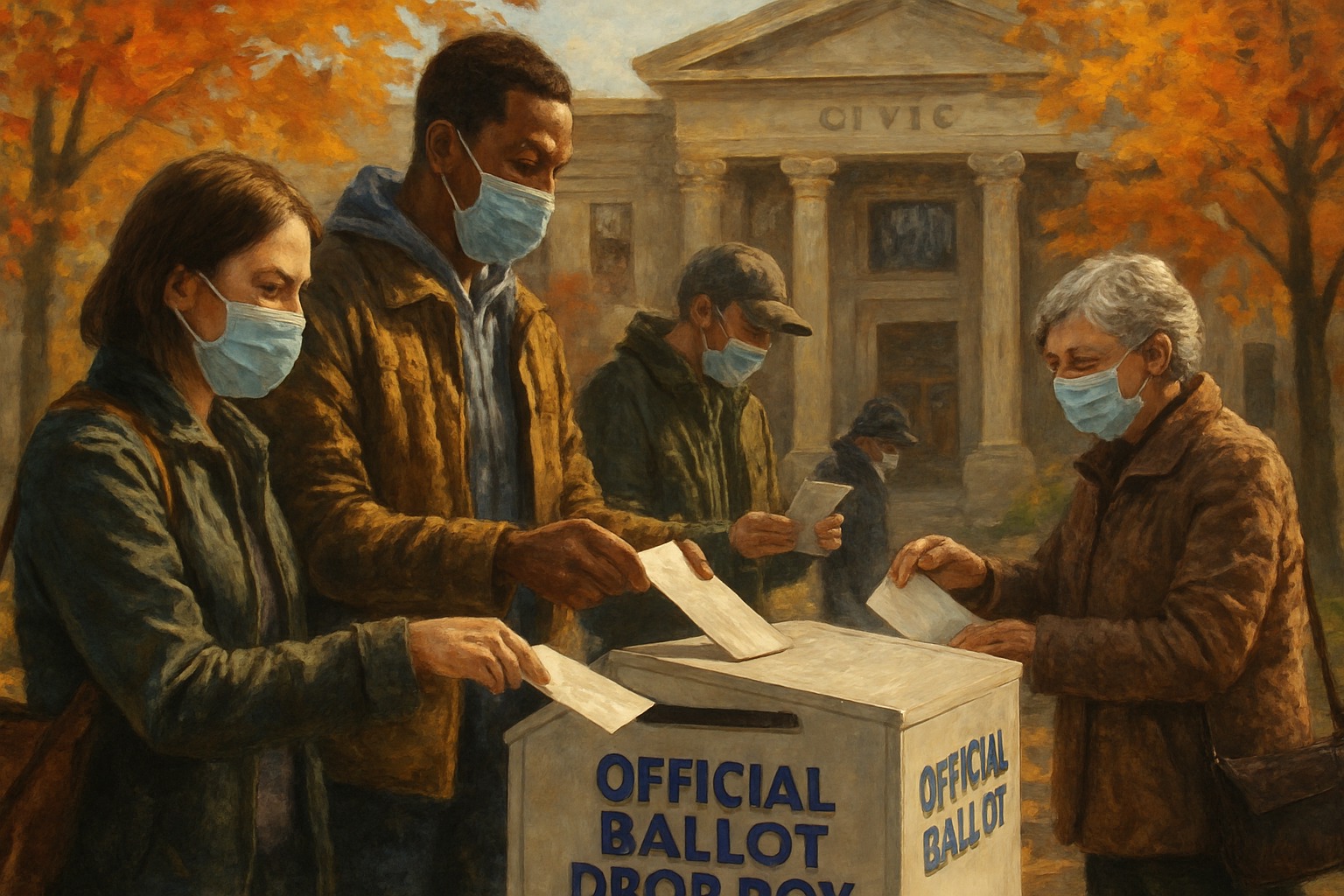
Held in the middle of the COVID-19 pandemic, the 2020 election drew the highest voter turnout in more than a century, with tens of millions casting ballots by mail to avoid crowded polling places. Democrat Joe Biden, a former vice president, defeated the incumbent Donald Trump, winning both the popular vote — by more than seven million ballots — and the Electoral College, 306 to 232.
The pandemic reshaped how the election was run and counted. Because mail ballots in several states could not be processed until Election Day, results in key states took days to finalize, and the early in-person counts that favored Trump narrowed as mail votes were tallied. Biden rebuilt the "blue wall" of Pennsylvania, Michigan, and Wisconsin and flipped Georgia and Arizona, traditionally Republican states.
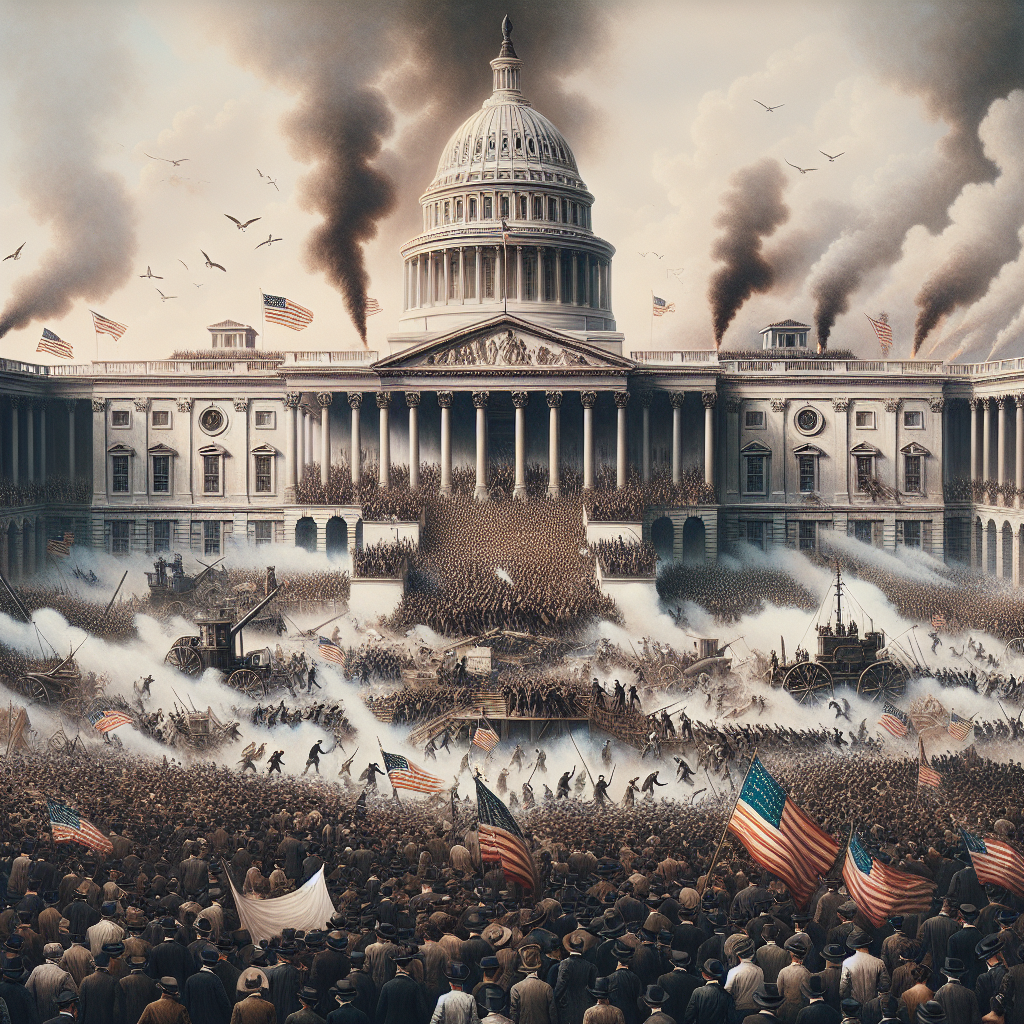
What followed was without precedent in the modern era. Trump refused to concede, falsely claiming the election had been stolen through fraud, and pursued dozens of lawsuits that courts across the country rejected for lack of evidence. The pressure campaign to overturn the result culminated on January 6, 2021, when a mob of his supporters stormed the Capitol as Congress met to certify Biden's victory.
Congress confirmed the result that same night, and Biden was inaugurated on January 20, 2021. But the false claims of a stolen election persisted among a large share of the public, eroding trust in the electoral system and making the peaceful transfer of power — long a hallmark of American democracy — a subject of genuine national anxiety.




| Date | November 3, 2020 |
| Candidates | Joe Biden (D) def. Donald Trump (R) |
| Electoral Vote | 306–232 |
| Popular Vote | Biden led by ~7 million |
| Turnout | Highest rate in over a century |
| Aftermath | False fraud claims; January 6 Capitol attack |
| Date | November 3, 2020 |
| Location | United States |