Assassination of Martin Luther King Jr.
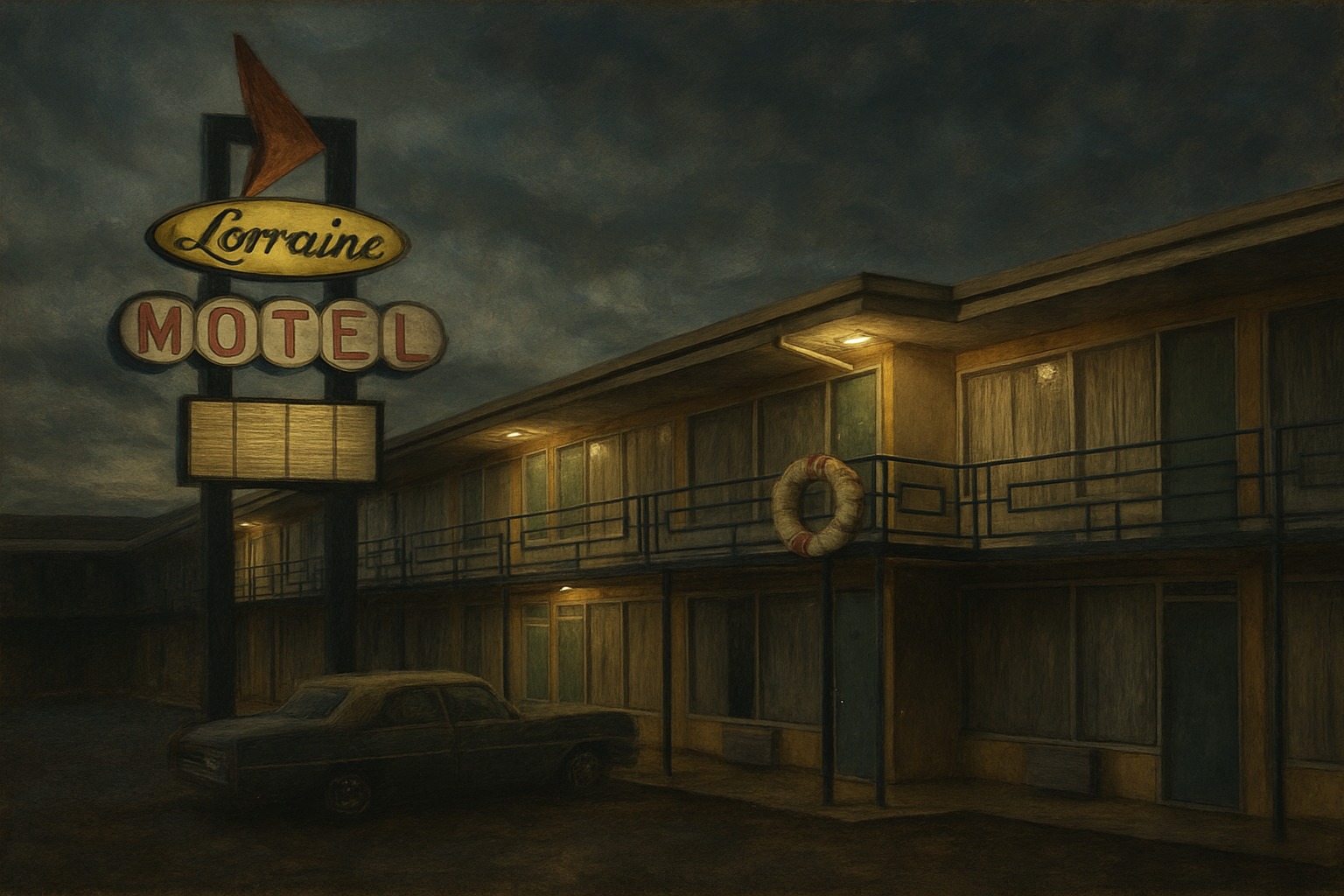
On the evening of April 4, 1968, Martin Luther King Jr. was shot and killed while standing on the second-floor balcony of the Lorraine Motel in Memphis, Tennessee. He was thirty-nine. King had come to Memphis to support striking Black sanitation workers, part of a turn late in his life toward economic justice and opposition to the Vietnam War that had cost him allies and made him a more divisive figure than the martyr later memory would smooth him into.
The killing set off the largest wave of urban unrest the country had seen, with disturbances breaking out in more than a hundred cities in the days that followed. President Lyndon B. Johnson declared a national day of mourning and used the moment to push through the Fair Housing Act, signed within a week, the last major legislative achievement of the civil rights era.
A petty criminal named James Earl Ray was captured in London two months later and pleaded guilty, avoiding a trial. He soon recanted, and questions about whether he acted alone have never fully died — the King family itself later expressed doubts and supported claims of a wider conspiracy, though federal investigations have repeatedly concluded Ray was the gunman.
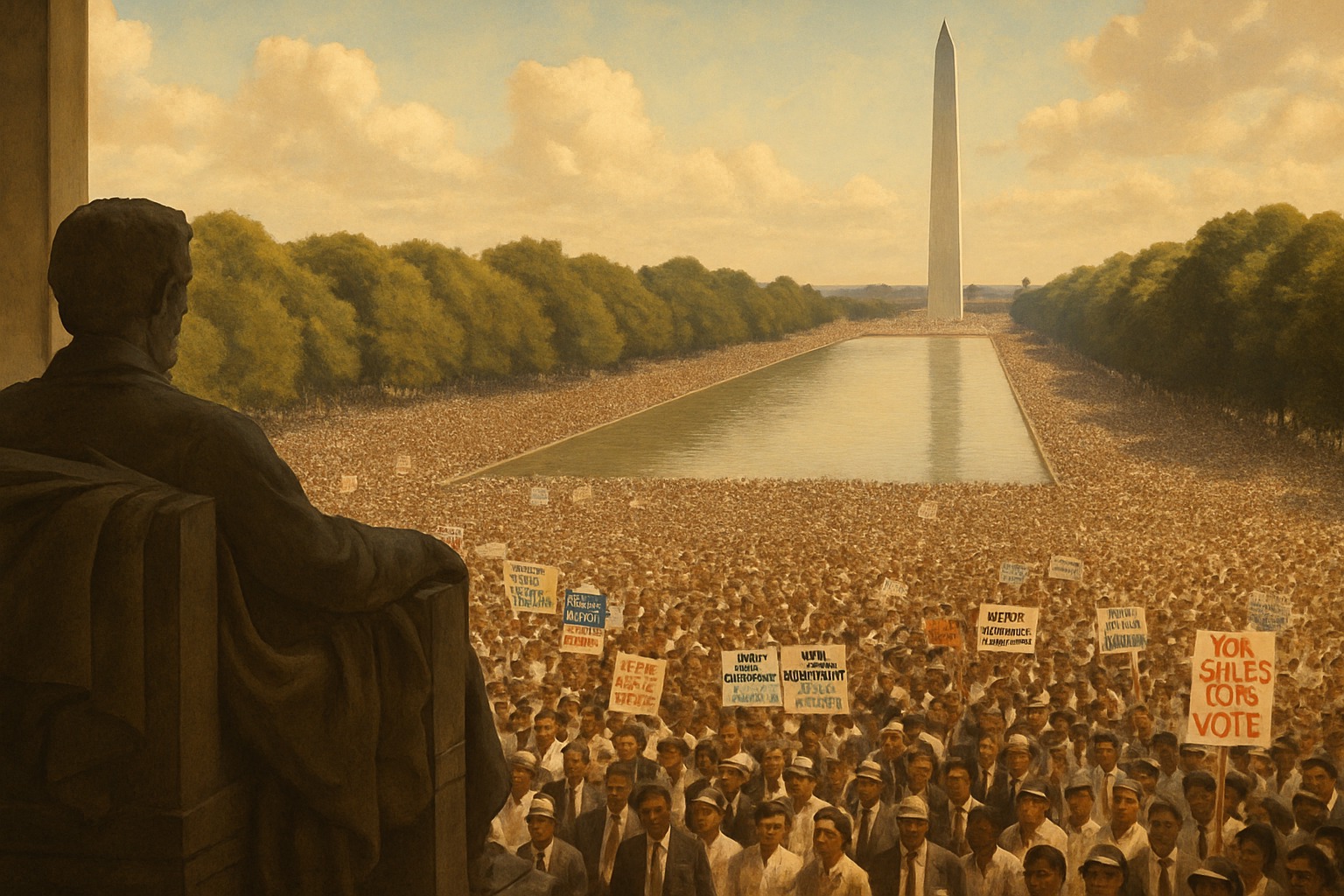
King's death cut short the central voice of nonviolent protest at a moment when the movement was already fracturing between his approach and more militant currents. His birthday became a federal holiday in 1983, and his stature in American memory has only grown — even as the economic injustices he was confronting in his final campaign remain largely unfinished.
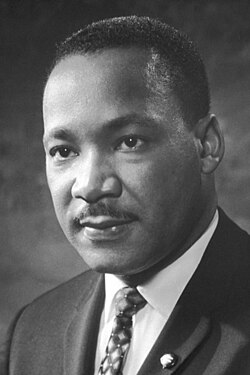
| Date | April 4, 1968 |
| Place | Lorraine Motel, Memphis, Tennessee |
| Victim | Martin Luther King Jr., age 39 |
| Convicted | James Earl Ray (pleaded guilty, later recanted) |
| Aftermath | Unrest in 100+ cities; Fair Housing Act signed |
| Legacy | Federal holiday established 1983 |
| Date | April 4, 1968 |
| Location | Memphis, Tennessee |