New York Times v. Sullivan
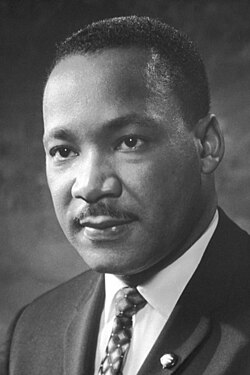
On March 29, 1960, The New York Times ran a full-page advertisement titled Heed Their Rising Voices, paid for by supporters of Martin Luther King Jr. to raise money for his legal defense. It described a wave of terror against peaceful protesters in the South. A few of its details about events in Montgomery, Alabama, were wrong. L. B. Sullivan, the city commissioner who oversaw the police, was not named, but he sued for libel and an Alabama jury awarded him five hundred thousand dollars.
Other Alabama officials filed similar suits, and by the time the case reached the Supreme Court, claims against the Times and CBS in the state totaled millions. The point was plain. Southern officials could use libel law to drive national news organizations out of covering the civil rights movement. The Times pulled its reporters out of Alabama for a time.
On March 9, 1964, the Court ruled unanimously for the Times. Justice William Brennan wrote that the case had to be considered against the background of a profound national commitment to the principle that debate on public issues should be uninhibited, robust, and wide-open. A public official could recover damages for defamation only by proving actual malice — that the statement was made with knowledge that it was false or with reckless disregard of whether it was false or not.
The decision made American libel law the most protective of the press in the world and was soon extended to public figures as well as officials. It enabled aggressive reporting on Vietnam, Watergate, and much else. In recent years some judges, including Justice Clarence Thomas, and some politicians have urged the Court to reconsider it, arguing that it shields falsehood, while press advocates call it the foundation of a free press.