The New York Times
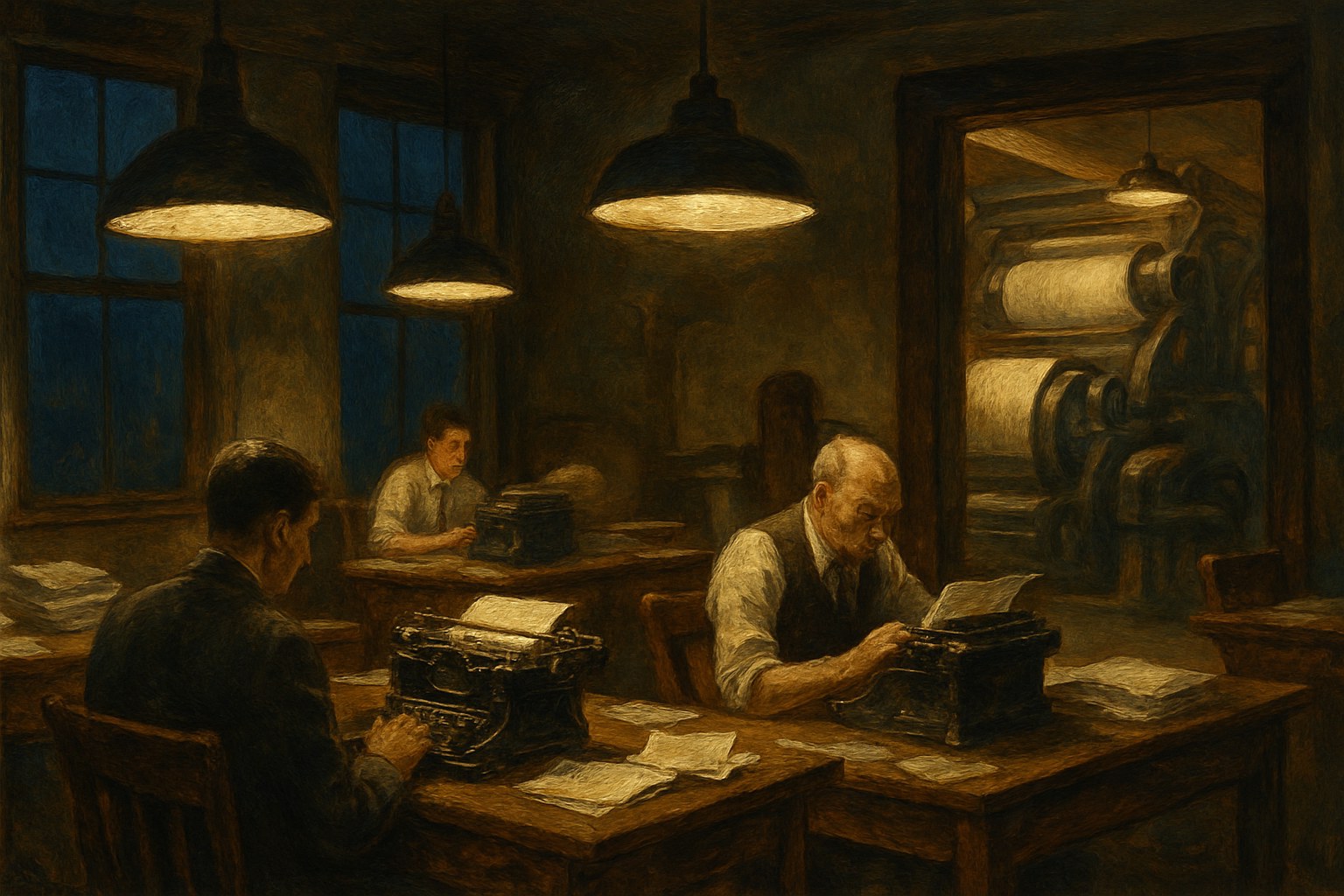
New York in 1851 had a dozen daily papers and most of them shouted. Henry Jarvis Raymond and George Jones launched the New-York Daily Times that September on the opposite bet — that a city glutted with partisan invective would pay for a paper that reported calmly and got things right. The formula worked for a generation and then failed. By the mid-1890s, squeezed between the penny sensationalism of Pulitzer and Hearst, the paper was losing money and close to collapse.
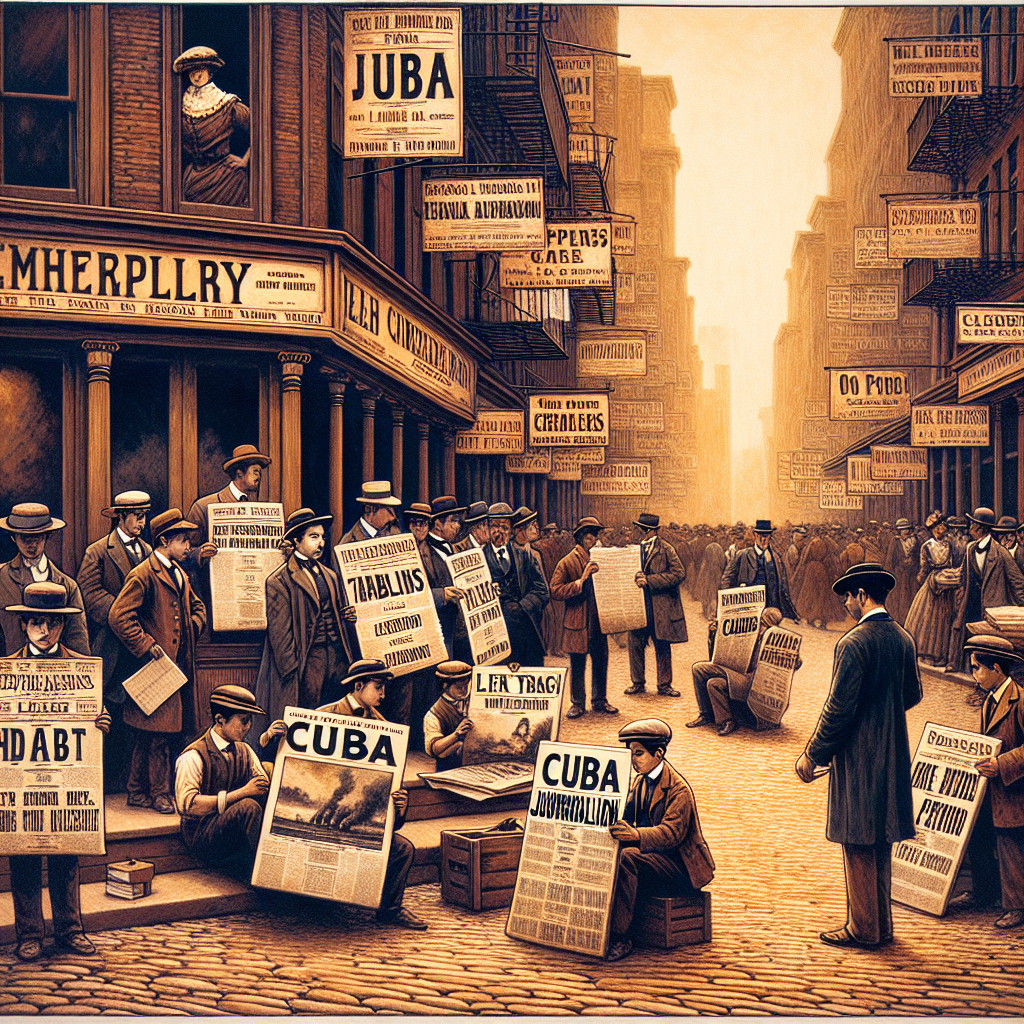
Its rescuer was an outsider. Adolph S. Ochs, a Tennessee publisher with the Chattanooga Times behind him and very little cash, took control in 1896 and cut the price to a penny while refusing to cut the seriousness. He printed a seven-word promise on the front page — All the News That's Fit to Print — and meant it as a rebuke to his rivals. Circulation climbed, the Ochs and Sulzberger family kept control for more than a century, and the paper settled into the posture that defined it.
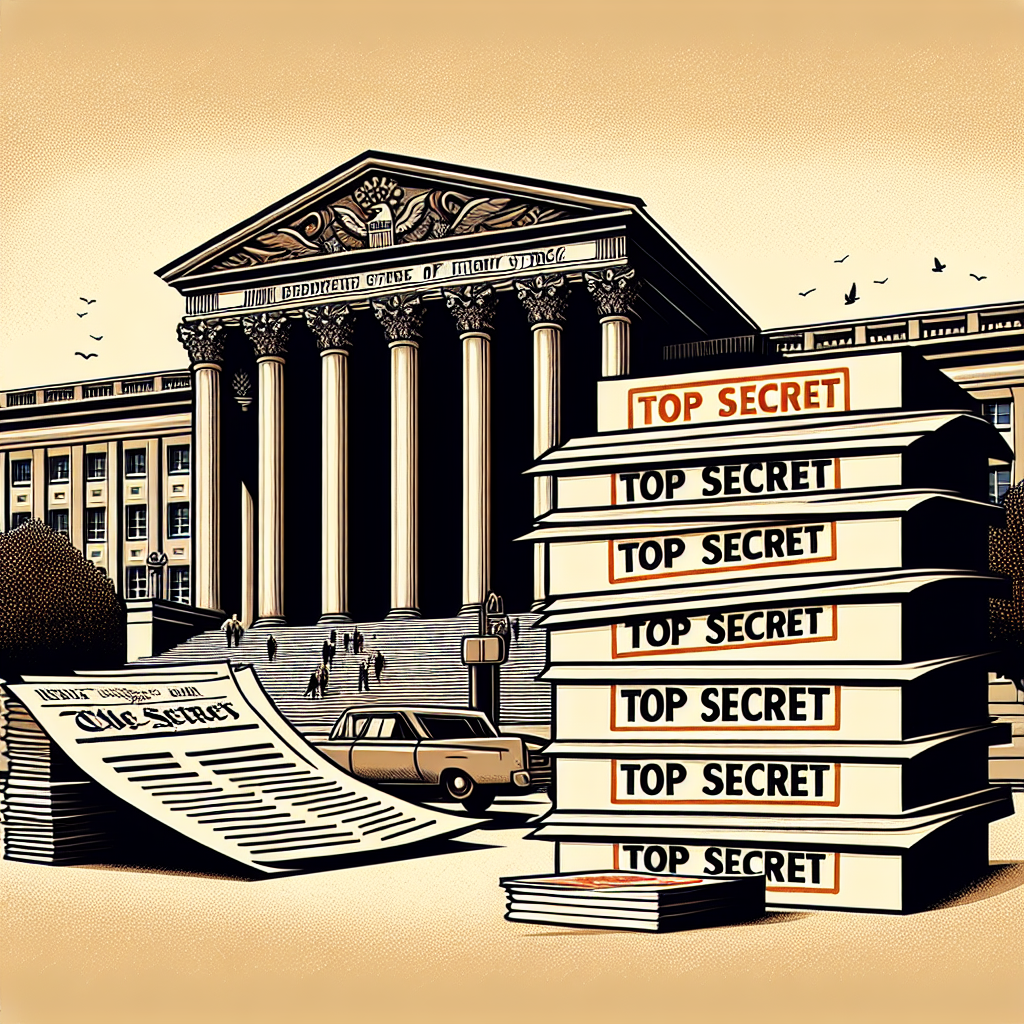
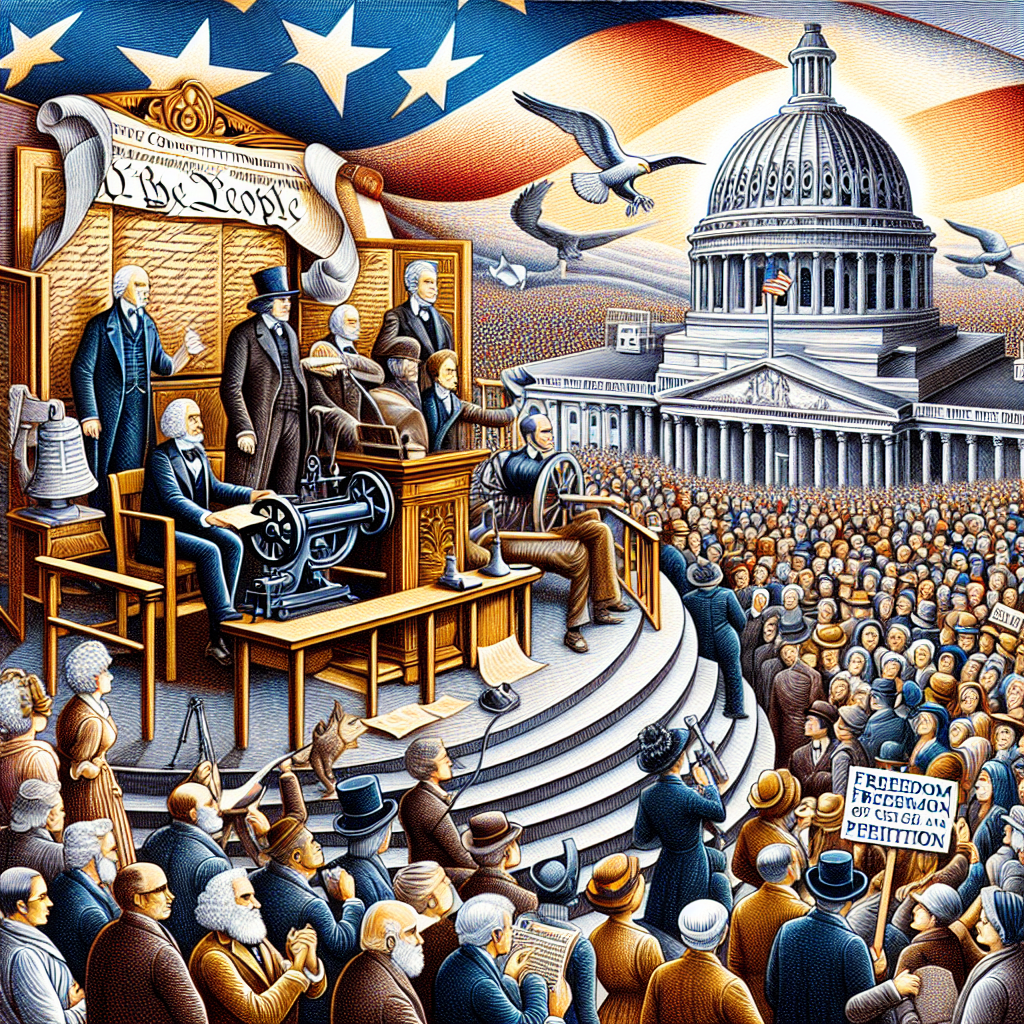
That posture — comprehensive, sober, self-consciously authoritative — earned the paper its unofficial title and also its sharpest criticism. Twice it took the government to court and won. In New York Times Co. v. Sullivan (1964) the Supreme Court raised the bar for libel of public officials to actual malice, protecting the press covering the civil rights South. In 1971 the paper began publishing the Pentagon Papers and beat a prior-restraint injunction at the Court. Its failures drew equal scrutiny — thin coverage of the Holocaust as it happened, Walter Duranty's dispatches from Stalin's Soviet Union, and reporting on Iraqi weapons before the 2003 invasion that the paper itself later disowned.
The Times also survived the transition that killed most of its peers. Where American newspapers lost classified advertising to the internet and shed roughly half their newsroom jobs after 2000, the Times bet on readers rather than advertisers, launching a metered digital subscription in 2011 and building it past ten million subscriptions within a decade. What began as one broadsheet among many became something rarer — a national newsroom operating at scale in a business that had stopped supporting them.


| Founded | 1851, New York City |
| Founders | Henry Jarvis Raymond and George Jones |
| Rescued by | Adolph S. Ochs, 1896 |
| Motto | All the News That's Fit to Print |
| Landmarks | NYT v. Sullivan (1964), the Pentagon Papers (1971) |
| Digital | Metered paywall launched 2011 |
| Date | Founded 1851 |
| Location | New York City |