Mapp v. Ohio
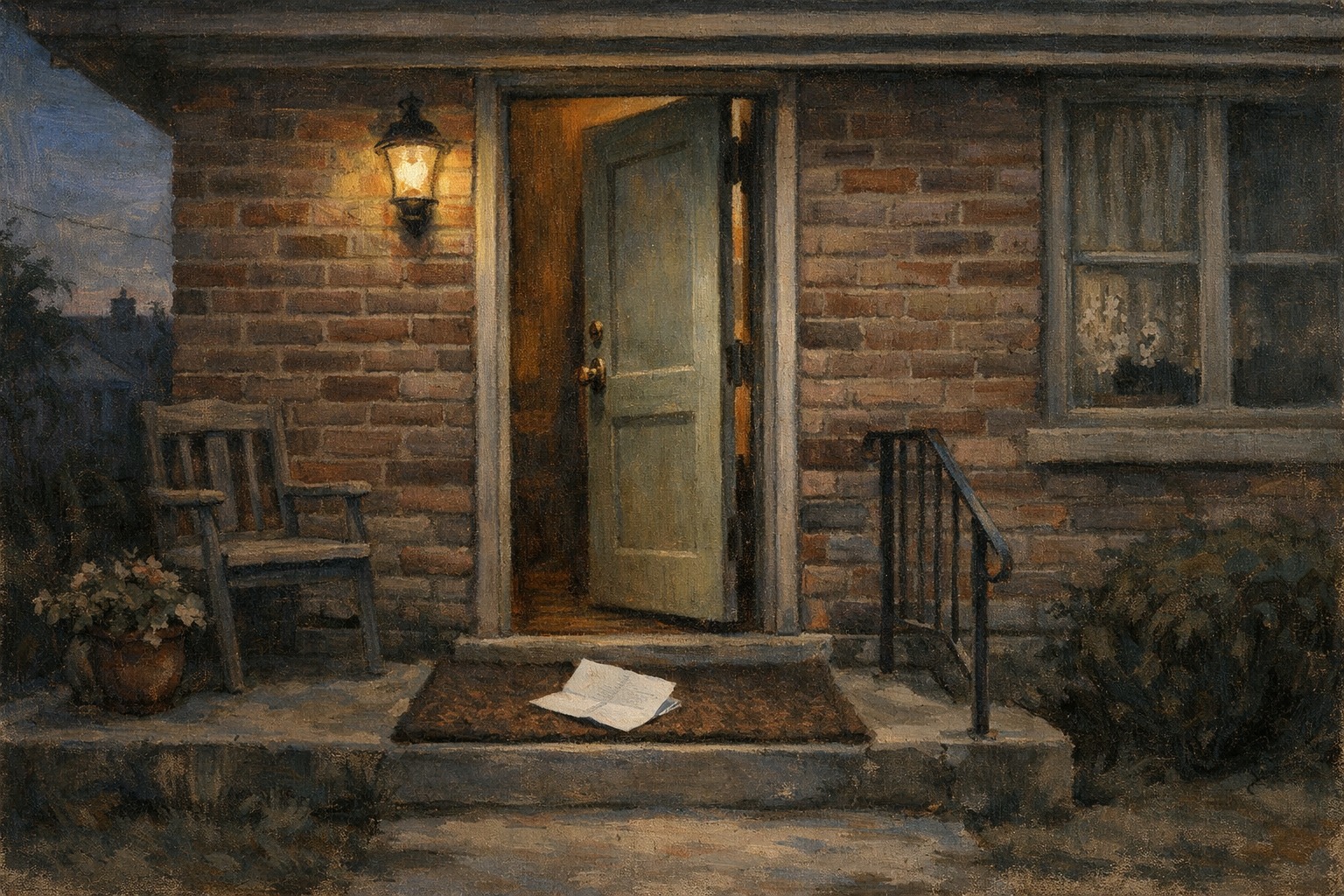
In May 1957 Cleveland police came to the home of Dollree Mapp looking for a man wanted for questioning in a bombing. She refused to let them in without a warrant. Hours later they forced their way in, waved a piece of paper they said was a warrant, and searched the house. They did not find the suspect. In a trunk in the basement they found books and pictures that Ohio classed as obscene, and Mapp was convicted of possessing them. No warrant was ever produced.
Since 1914 federal courts had been barred from using evidence that federal agents obtained in an illegal search. In 1949 the Supreme Court had held that the Fourth Amendment applied to the states but that states were free to decide whether to exclude unlawfully seized evidence. Many did not. Mapp's lawyers argued mainly about the obscenity law, but the justices seized on the search.
On June 19, 1961, the Court ruled six to three that evidence obtained in violation of the Fourth Amendment could not be used in state courts either. Justice Tom Clark wrote that without the exclusionary rule the protection against unreasonable searches would be a form of words, valueless and undeserving of mention. Dissenters argued that the Court had reached out to decide a question the parties had barely briefed and had trampled on the states.
Mapp opened the Warren Court's revolution in criminal procedure, followed by Gideon on the right to counsel and Miranda on interrogations. Police departments across the country had to rewrite their practices and seek warrants they had once skipped. Critics have long argued that the rule lets the guilty go free because the constable blundered, and later Courts have carved out exceptions for good-faith mistakes, but the core rule remains.

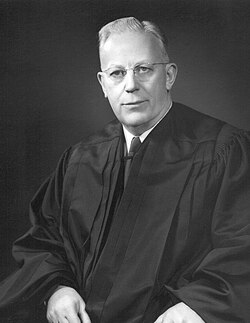


| Citation | 367 U.S. 643 (1961) |
| Decided | June 19, 1961 |
| Vote | 6 to 3 |
| Opinion | Justice Tom C. Clark |
| Holding | Illegally seized evidence is excluded in state courts |
| Overruled | Wolf v. Colorado (1949), in part |
| Date | Decided June 19, 1961 |